


Commercial Meat Slicer Buying Guide: Electric vs Manual for Restaurants
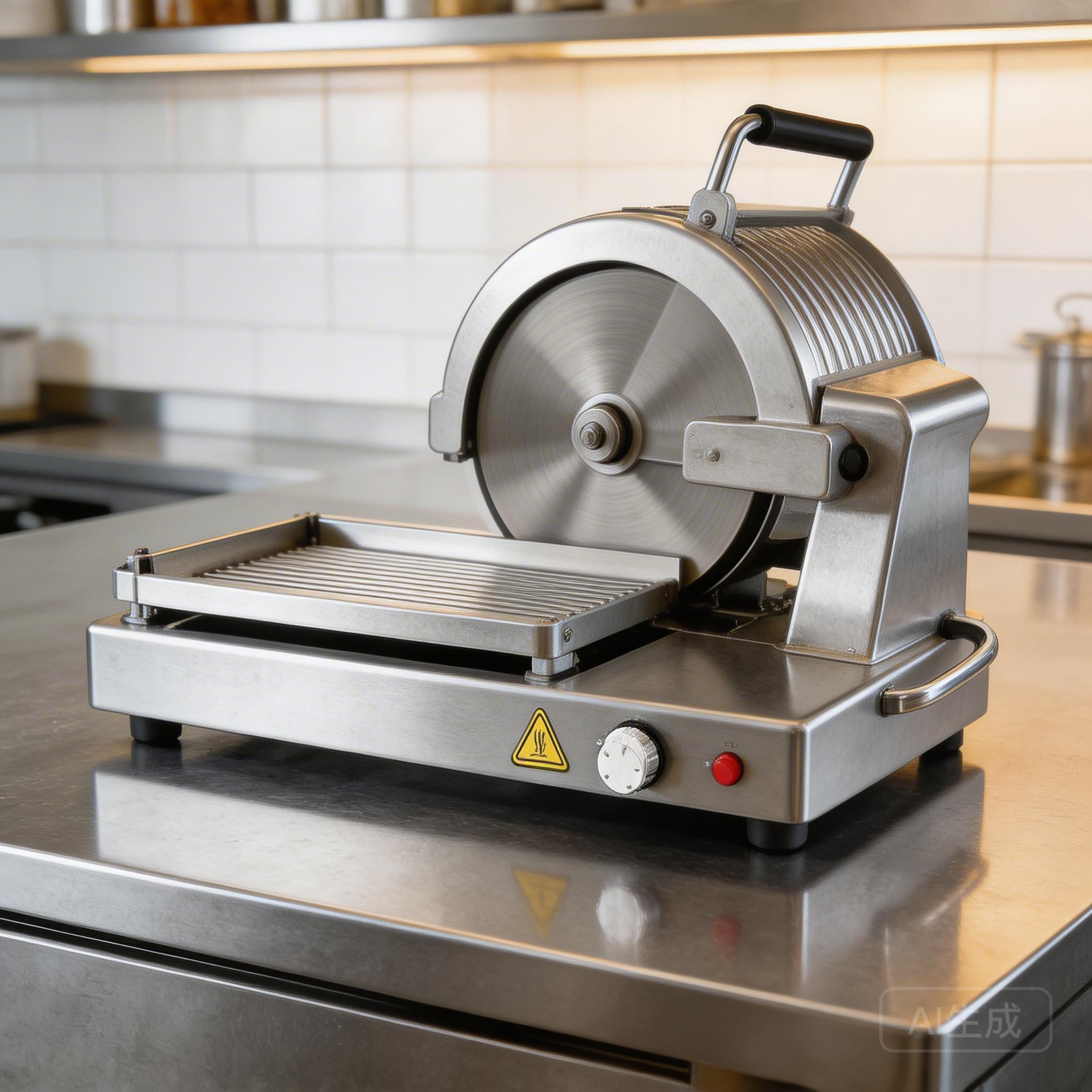
Running a restaurant, hotel, or food service business means balancing efficiency, quality, and safety—especially when it comes to food preparation. A commercial meat slicer is a cornerstone of many kitchens, streamlining tasks like portioning deli meats, cheeses, and even vegetables. But with options ranging from manual to electric models, how do you choose the right one?
At Biengastro, we’ve spent over 20 years crafting commercial kitchen equipment (including CE/UL-certified fryers, ovens, and more) and advising businesses on optimal tools. In this guide, we’ll break down the key differences between electric and manual meat slicers, help you assess your kitchen’s needs, and recommend solutions tailored to your workflow.
1. Key Differences Between Electric and Manual Commercial Meat Slicers
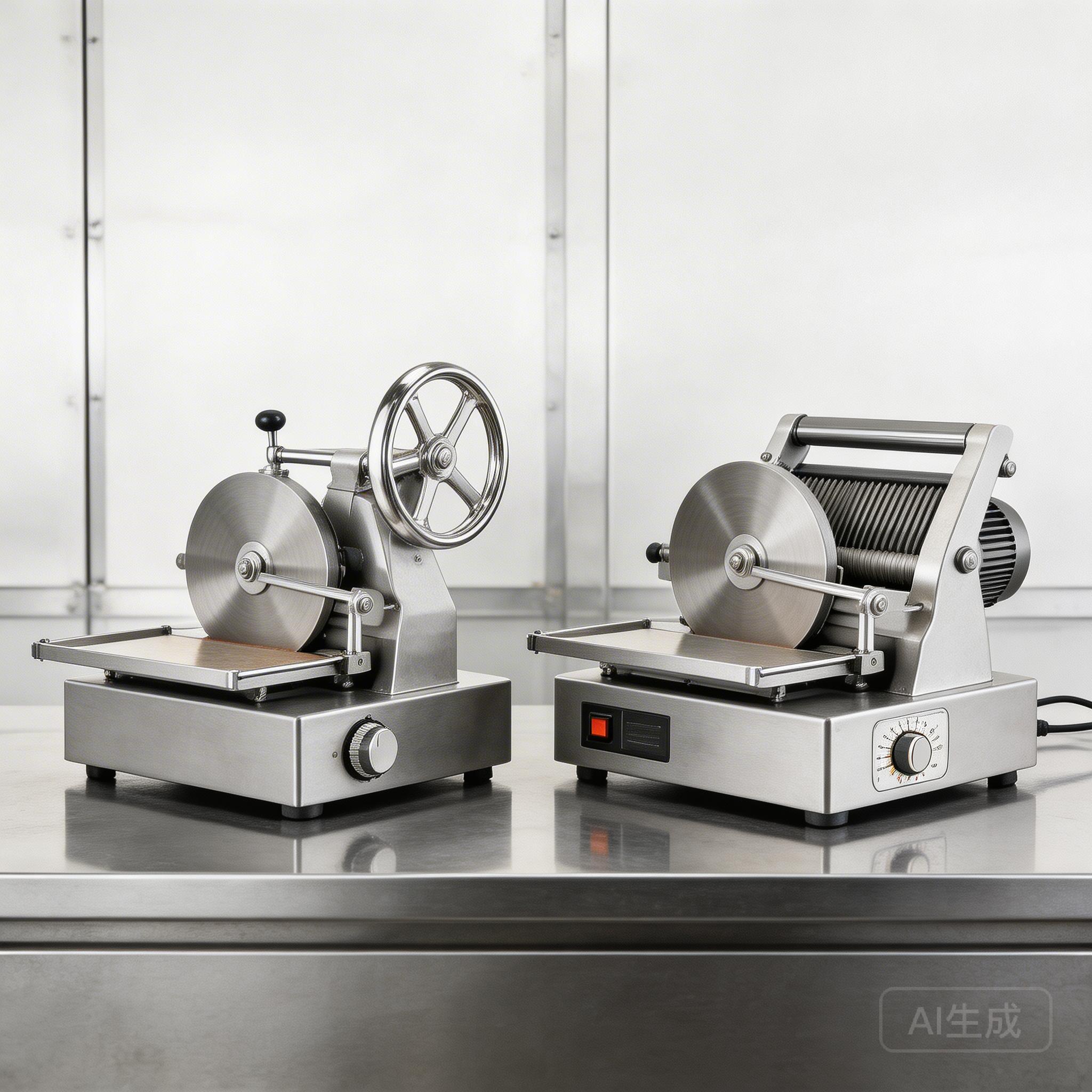
Understanding the core distinctions between electric and manual models is the first step in making an informed decision:
Power Source & Operation
- Electric Meat Slicers: Rely on motorized blades (typically 150–300W for commercial use) to slice through meats. The blade rotates automatically, so you only need to guide the food toward it.
- Manual Meat Slicers: Require hand-cranking to rotate the blade. You control both the blade’s movement and the food’s positioning, offering more tactile control.
Speed & Volume
- Electric models excel at high-volume tasks (e.g., slicing 50+ pounds of meat daily) with consistent speed.
- Manual slicers work best for small batches (20–30 pounds daily) or occasional use.
Precision
- Electric slicers often have adjustable thickness dials (0.5mm to 15mm) for uniform slices, ideal for delis or charcuteries.
- Manual slicers depend on your hand’s steadiness, though quality models still offer thickness controls.
2. Factors to Consider When Buying a Commercial Meat Slicer
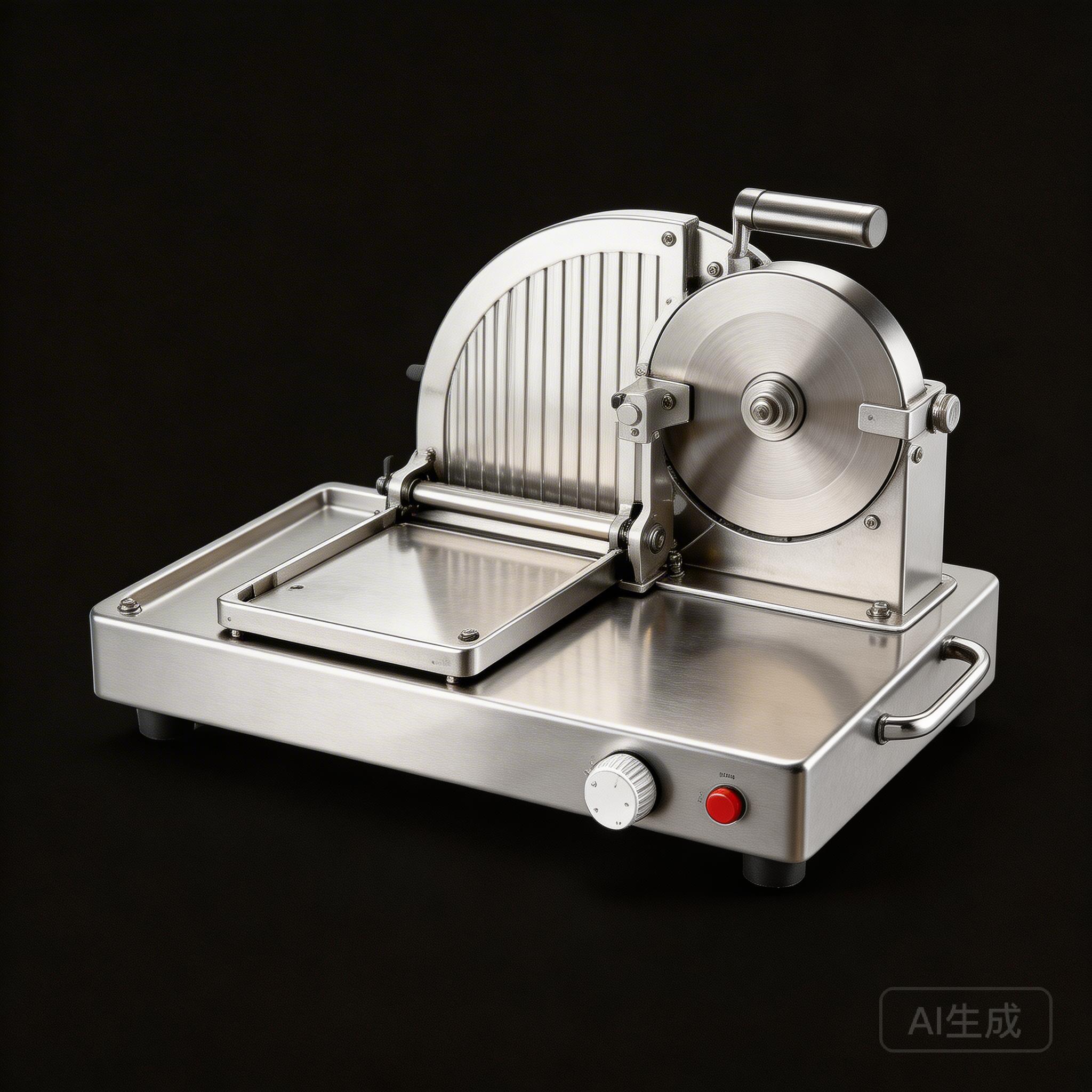
Before investing, evaluate these critical factors to ensure your slicer meets your kitchen’s demands:
1. Daily Meat Volume
- High-volume kitchens (e.g., busy delis, buffet restaurants): Prioritize electric slicers for speed and consistency. Look for models with 10–12-inch blades and powerful motors.
- Low-volume or occasional use (e.g., small cafes, bakeries slicing cheese): A manual slicer may suffice, saving space and money.
2. Slice Thickness Range
- Most commercial slicers offer 0.5mm (paper-thin) to 15mm (thick cuts) adjustments. Ensure the range matches your menu (e.g., paper-thin prosciutto vs. 10mm roast beef).
3. Build Material & Durability
- Opt for slicers with stainless steel blades and food trays (similar to our fryers’ SS304 or S.S201 construction) to resist corrosion and simplify cleaning.
- Check the base’s stability—heavy-duty models (15–20 lbs) reduce wobble during use.
4. Safety Features
- Look for non-slip feet, blade guards, and “safety off” switches (electric models) to prevent accidents. Manual slicers should have ergonomic cranks and secure food clamps.
5. Space & Mobility
- Electric slicers are bulkier (12–18 inches wide) but stay stationary.
- Manual slicers are compact (8–12 inches wide) and portable, ideal for mobile kitchens or limited counter space.
6. Budget
- Manual slicers start at $200–$500, while electric models range from $500–$2,000+ (commercial-grade). Factor in long-term savings: electric slicers reduce labor time for high-volume tasks.
3. Benefits of Electric Meat Slicers for Restaurants
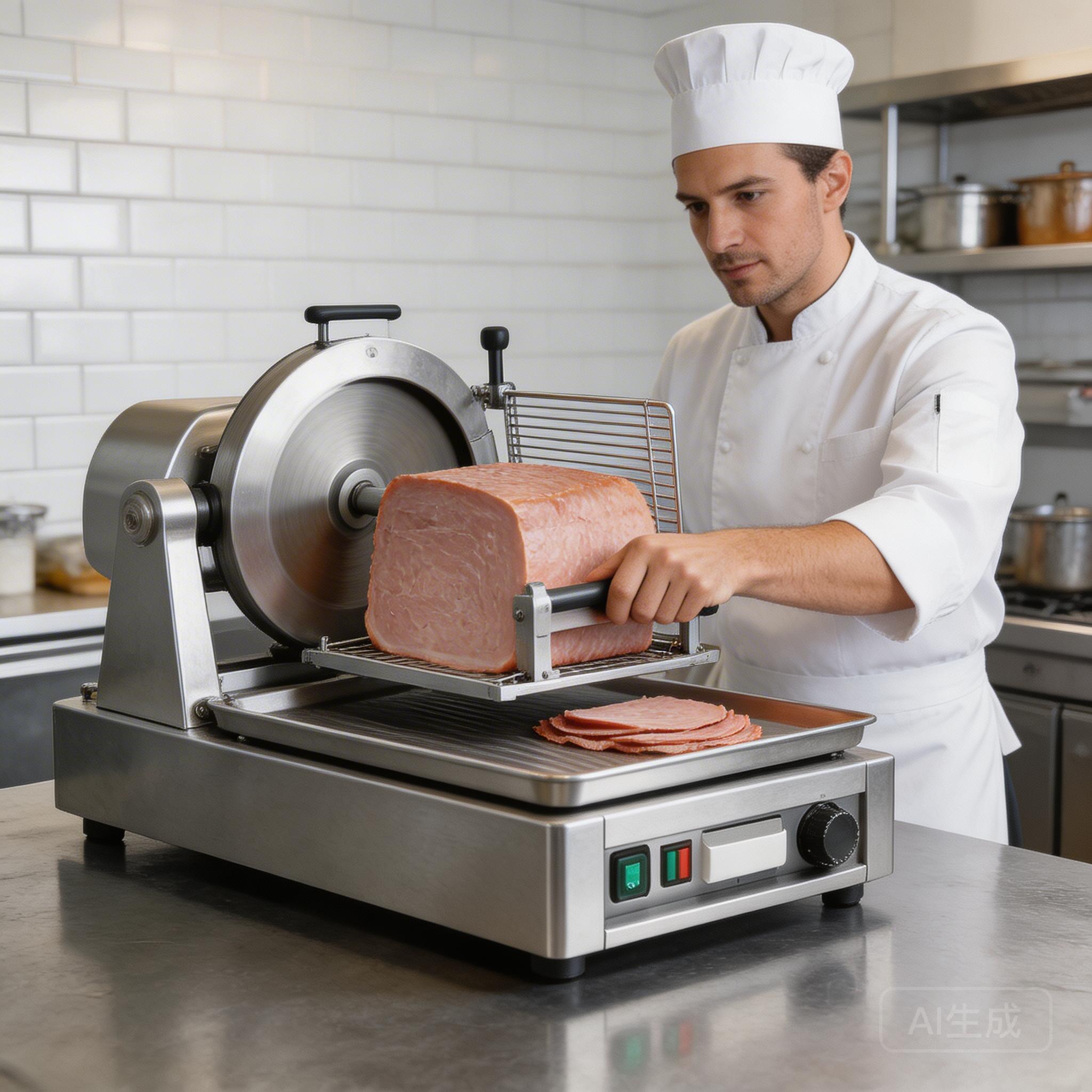
For restaurants with consistent meat-slicing needs, electric models offer unmatched advantages:
1. Time & Labor Efficiency
- Automate slicing to free staff for other tasks (e.g., prepping vegetables or serving customers). A 10-inch electric slicer can slice 50 pounds of meat in under 30 minutes.
2. Consistent Slice Quality
- Adjustable dials ensure every slice is uniform, critical for portion control and presentation (e.g., perfectly even roast beef for sandwiches).
3. Heavy-Duty Performance
- Commercial electric slicers (like those with 300W motors) handle tough cuts (e.g., frozen meat, bone-in ham) with ease—something manual models struggle with.
4. Hygiene & Safety
- Many electric slicers have removable, dishwasher-safe parts (e.g., food trays, blade guards) for easy cleaning. Some even feature “one-touch” blade removal for deep cleaning.
4. Advantages of Manual Meat Slicers for Specific Needs
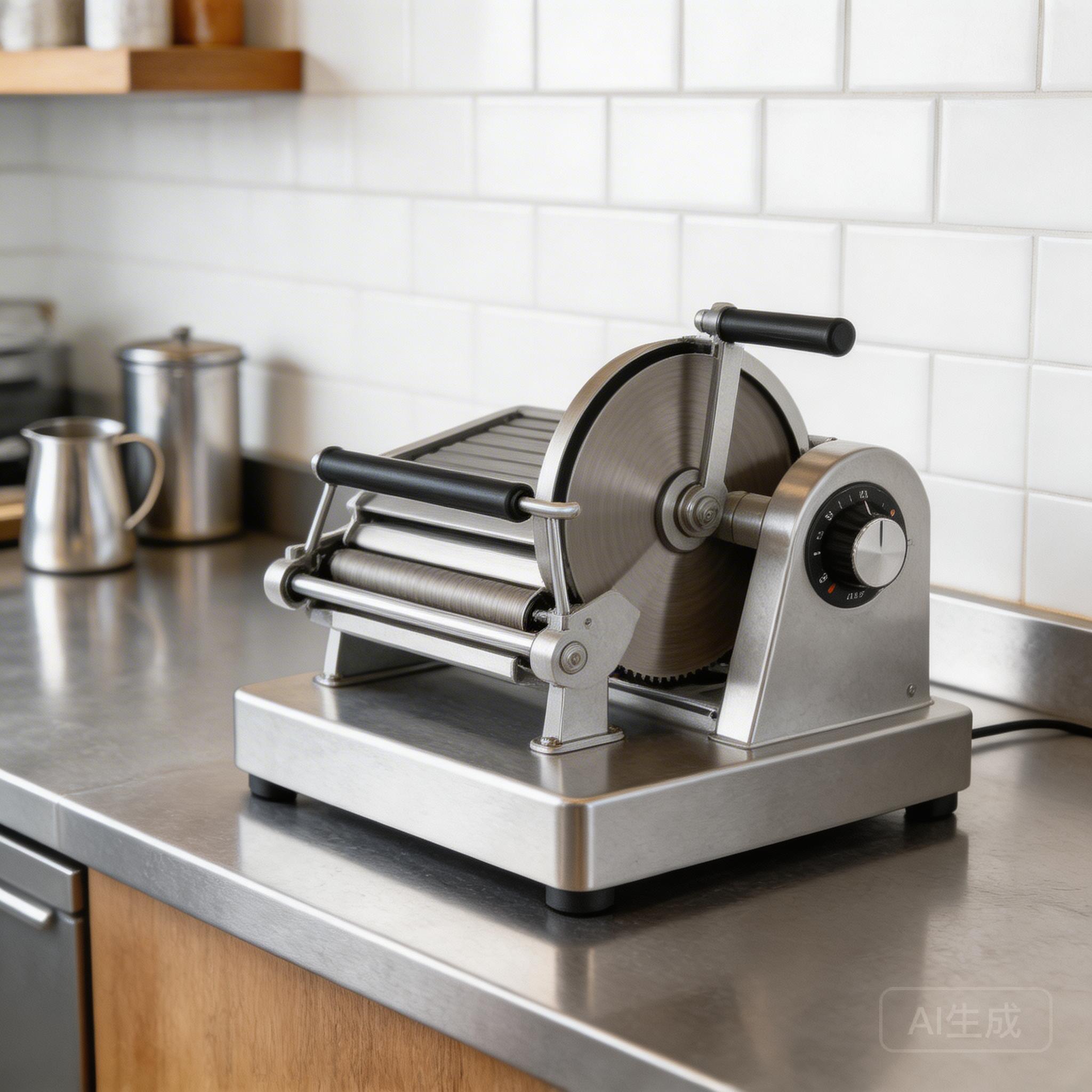
Don’t discount manual slicers—they shine in niche scenarios:
1. Portability & Space Savings
- Compact design fits on narrow counters or in mobile setups (e.g., food trucks, pop-up events). No need for a power outlet, unlike electric models.
2. Lower Cost & Maintenance
- Manual slicers have fewer moving parts, so they’re cheaper to buy and repair. No motor means no electrical issues or power consumption.
3. Tactile Control for Delicate Cuts
- For artisanal tasks (e.g., hand-slicing truffle-infused cheese, irregular cuts of charcuterie), manual control allows nuanced adjustments a machine can’t replicate.
4. Energy Independence
- Ideal for kitchens with unreliable power or off-grid setups (e.g., remote lodges, outdoor events).
5. Product Recommendations for Different Kitchens
While Biengastro specializes in commercial kitchen equipment (including electric fryers and commercial ovens), we recommend pairing your meat slicer with complementary tools for a full kitchen setup:
For High-Volume Delis & Restaurants:
- Electric Fryer + Meat Slicer: Pair your electric meat slicer with our BF13SV Electric Fryer (9000W, 13L capacity, SS201 construction) to handle fried meats (e.g., chicken, fries) alongside slicing. The fryer’s powerful motor and large tank match the slicer’s efficiency.
For Small Cafes & Bakeries:
- Manual Slicer + Compact Fryer: Use a manual meat slicer for cheese/ham, then add our BF4SV Electric Fryer (2000W, 4L capacity) for small-batch frying (e.g., donuts, appetizers). The fryer’s compact size fits tight spaces, just like a manual slicer.
For Versatile Kitchens:
- Combine an electric meat slicer with our BF12SV Electric Fryer (3000W, 12L capacity, SS304 material) for durable, easy-to-clean equipment. The fryer’s stainless steel construction mirrors the slicer’s hygiene standards.
6. Maintenance and Safety Tips
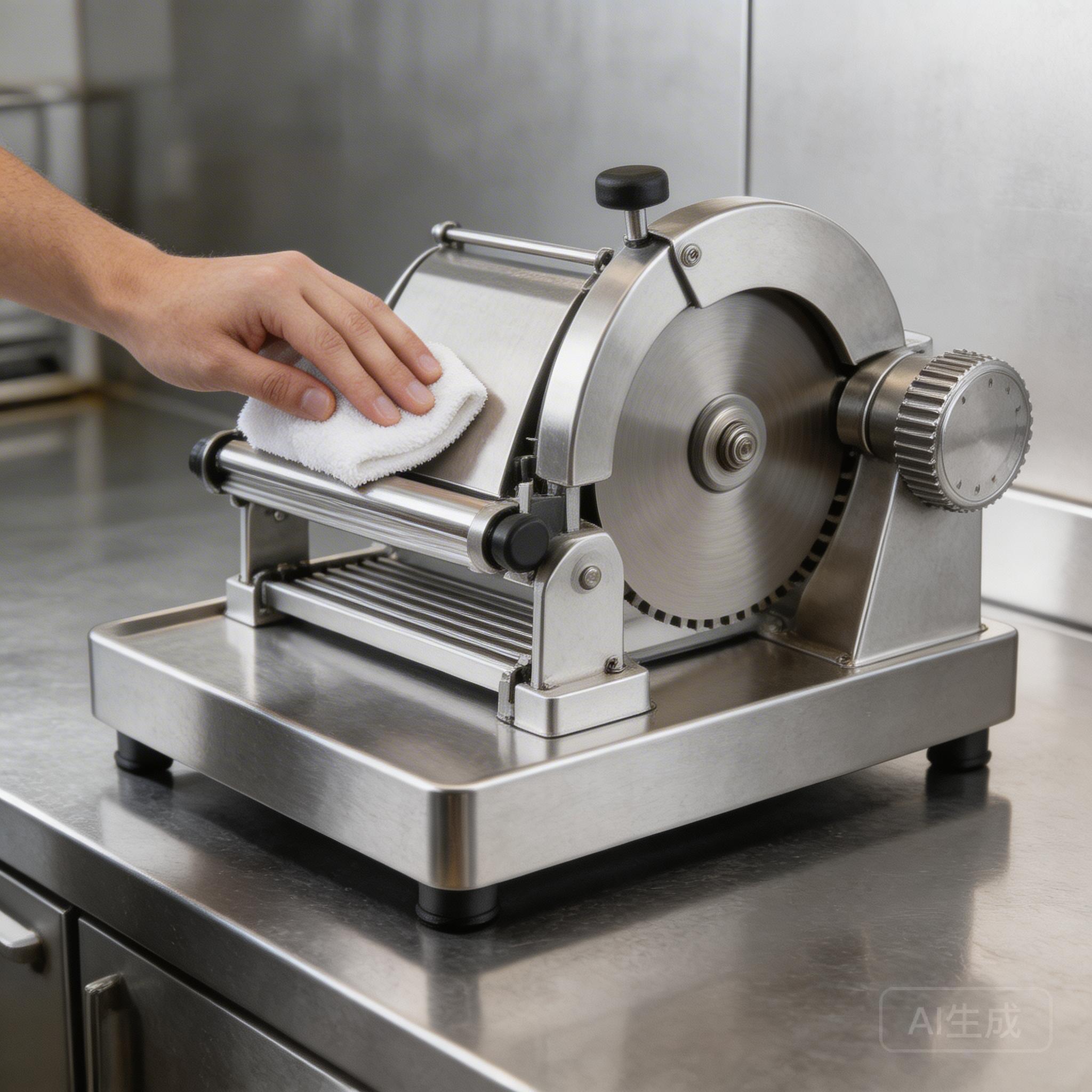
Proper care extends your slicer’s lifespan and ensures food safety:
Cleaning
- After each use: Wipe the blade and food tray with a damp cloth. For deep cleaning, disassemble removable parts (if allowed) and wash with warm, soapy water.
- Weekly: Sanitize the blade with food-safe disinfectant (e.g., quaternary ammonium solution) to prevent cross-contamination.
Blade Maintenance
- Sharpen blades every 2–3 months (or when slicing becomes uneven) using a commercial knife sharpener or professional service.
- Avoid slicing frozen or bone-in meat with a dull blade—this damages the edge and motor (electric models).
Safety
- Always turn off/unplug electric slicers before cleaning.
- Use cut-resistant gloves when handling blades (even manual models).
- Store slicers with blade guards in place to prevent accidental cuts.
FAQ: Commercial Meat Slicer Questions
Q: Can a manual meat slicer handle frozen meat?
A: Manual slicers struggle with frozen or tough cuts—electric models with powerful motors (300W+) are better for frozen meat. For occasional frozen use, let the meat thaw slightly first.
Q: How much space does a commercial meat slicer need?
A: Electric slicers need 12–18 inches of counter space (plus clearance for ventilation). Manual slicers are smaller (8–12 inches wide) but still require stable, flat surfaces.
Q: Are Biengastro’s fryers compatible with commercial meat slicers?
A: Yes! Our electric fryers (e.g., BF13SV, BF4SV) complement meat slicers by handling fried proteins, fries, or appetizers. Pair them for a full prep station.
Q: Do I need a CE-certified meat slicer for my European restaurant?
A: CE certification ensures compliance with EU safety standards. Biengastro’s equipment (including fryers) is CE-certified, so look for similar certification in your slicer for legal and safety compliance.
Q: How often should I replace a commercial meat slicer blade?
A: With proper maintenance, blades last 1–2 years. Replace sooner if you notice uneven slicing, rust, or damage.
Conclusion: Choose the Right Slicer for Your Kitchen
Whether you need an electric slicer for high-volume efficiency or a manual model for tactile control, the right commercial meat slicer transforms your kitchen’s productivity. Remember:
- Prioritize volume, precision, and space.
- Pair your slicer with complementary equipment (like Biengastro’s electric fryers or commercial ovens) for a complete setup.
Ready to explore commercial kitchen equipment? Browse our shop or contact us for personalized recommendations. With 20+ years of expertise, Biengastro helps food service professionals choose tools that work as hard as they do.
Related Articles
- Commercial Electric Fryer Buying Guide: Choose the Right Model for Your Kitchen
- How to Choose a Commercial Oven for Your Bakery