


How to Choose the Right Commercial Electric Fryer for Your Restaurant
Choosing the right commercial electric fryer is one of the most important decisions you’ll make when equipping your restaurant kitchen. Whether you’re opening a new fast-food outlet, upgrading your existing equipment, or expanding your menu to include fried items, the fryer you select will directly impact your food quality, kitchen efficiency, and bottom line.
In this comprehensive buying guide, we’ll walk you through everything you need to know about commercial electric fryers—from understanding different types and sizes to evaluating key features and making the final decision. By the end, you’ll have the knowledge to choose the perfect fryer that meets your specific needs and budget.
Why Choose an Electric Fryer Over Gas?
Before diving into the selection process, it’s important to understand why many restaurant owners prefer electric fryers over gas models:
Energy Efficiency
Electric fryers typically offer better energy efficiency than gas models. They convert nearly 100% of electrical energy into heat, while gas fryers lose significant heat through ventilation. This translates to lower operating costs over time.
Temperature Control
Electric fryers provide more precise temperature control, which is crucial for consistent food quality. Digital thermostats maintain oil temperature within ±1°F, ensuring perfectly fried food every time.
Installation Flexibility
Unlike gas fryers that require gas lines and ventilation systems, electric fryers only need a proper electrical connection. This makes them easier to install and relocate within your kitchen.
Safety
Electric fryers eliminate the risks associated with open flames and gas leaks, making them safer for busy kitchen environments.
Lower Initial Cost
Generally, electric fryers have a lower upfront cost compared to gas models, making them attractive for new restaurants with limited budgets.
Types of Commercial Electric Fryers
Understanding the different types of electric fryers will help you narrow down your options:
1. Countertop Electric Fryers
Best for: Small cafes, food trucks, concession stands, and establishments with limited frying needs
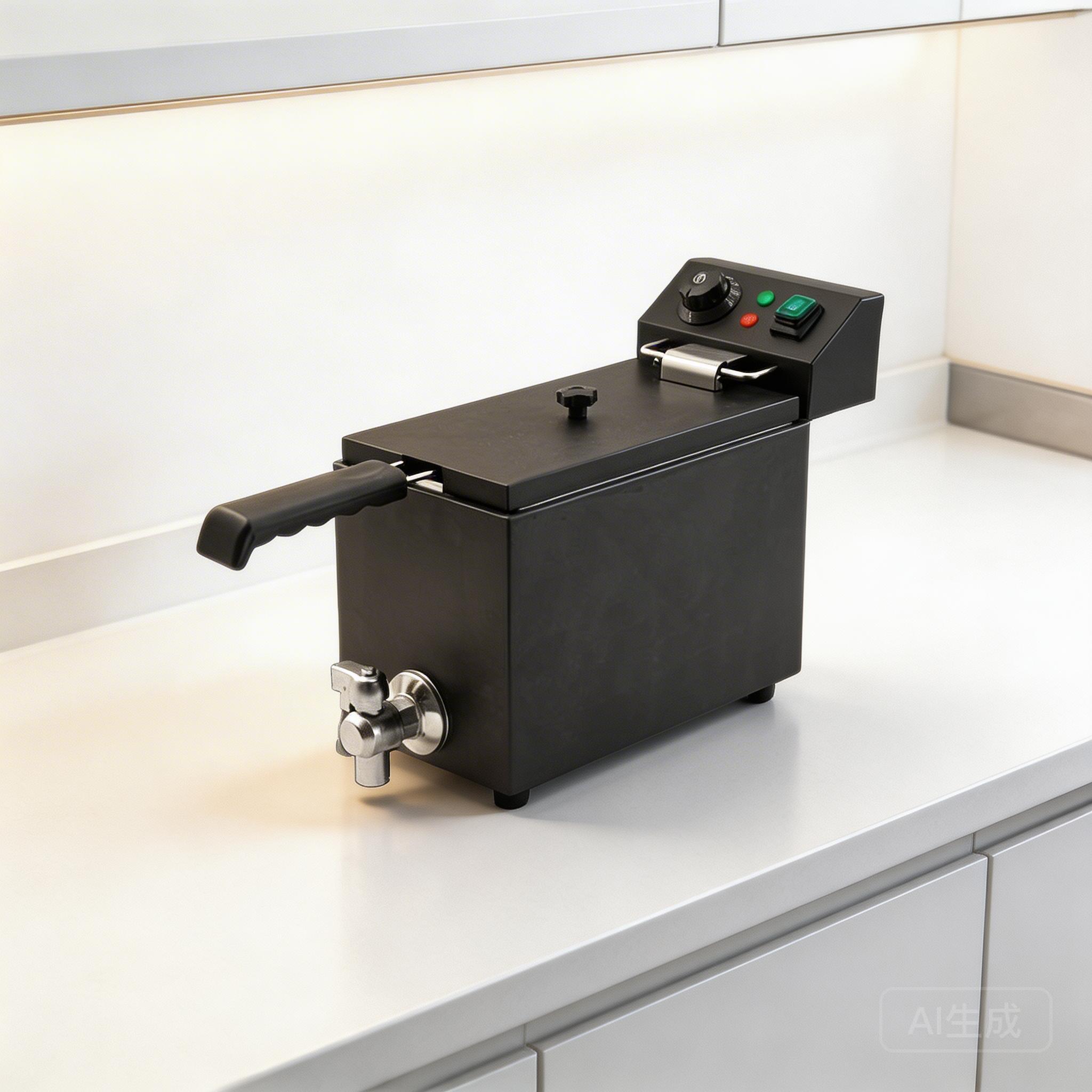
Countertop models are compact units designed for light to medium-duty frying. They typically have oil capacities ranging from 6 to 20 pounds and are perfect for:
- French fries and onion rings
- Small batches of fried chicken
- Appetizers and sides
Pros:
- Space-saving design
- Affordable price point
- Easy to move and clean
Cons:
- Limited capacity
- Not suitable for high-volume operations
- May require multiple batches during peak hours
Browse Countertop Electric Fryers
2. Floor Model Electric Fryers
Best for: Full-service restaurants, fast-food chains, and high-volume establishments
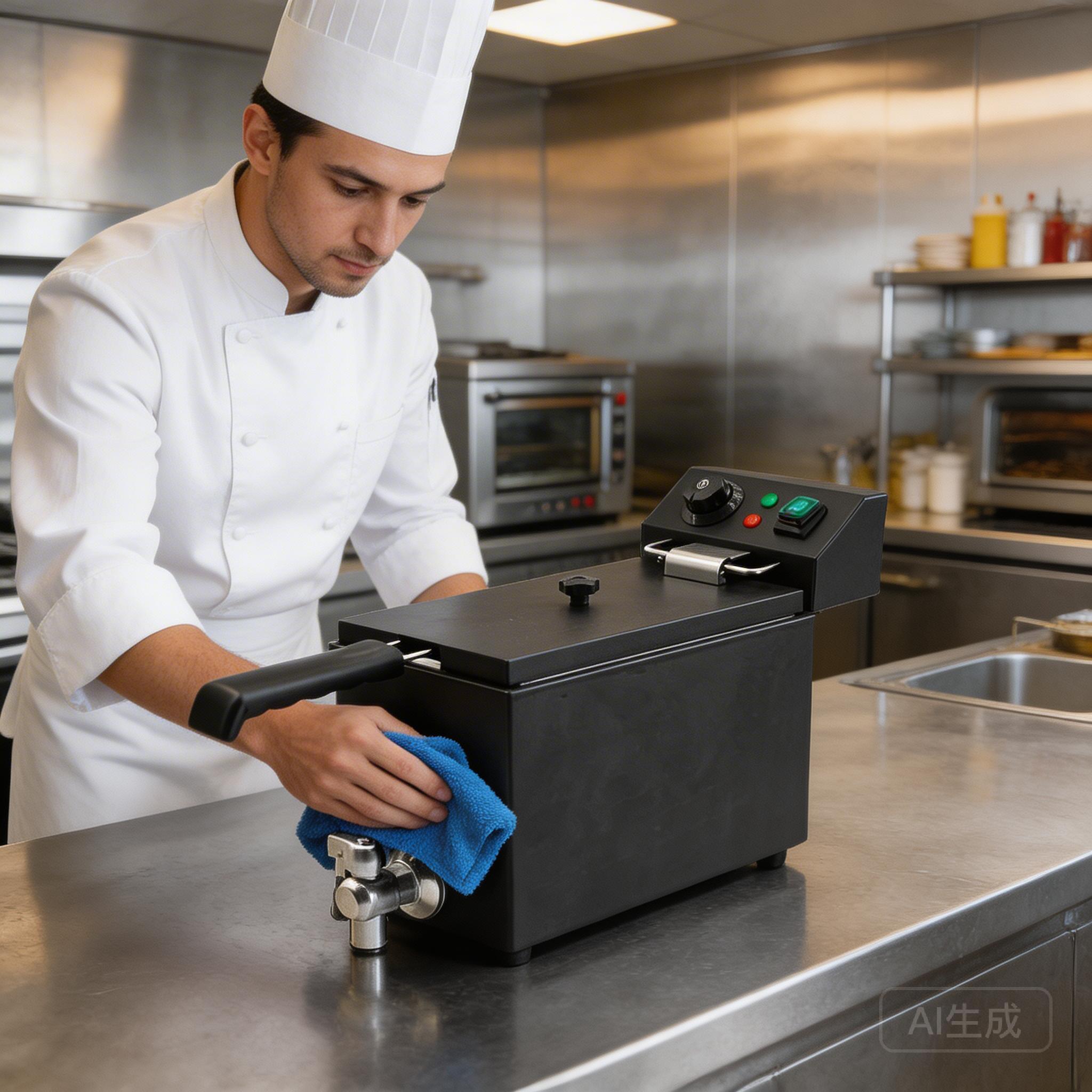
Floor models are heavy-duty units designed for continuous use. They come in various configurations:
#### Tube-Type Fryers
The most common design features heating tubes running through the oil vat. These are versatile and work well for most fried foods.
Key Features:
- Even heat distribution
- Large cold zone to collect sediment
- Available in single or multiple vat configurations
#### Flat-Bottom Fryers
Ideal for delicate items like tempura, doughnuts, and battered fish that might stick to tubes.
Key Features:
- Smooth bottom surface
- Gentle heating pattern
- Excellent for wet-battered foods
Browse Floor Model Electric Fryers
3. High-Efficiency Electric Fryers
Best for: Operations focused on energy savings and rapid recovery
These advanced models use infrared or other innovative heating technologies to heat oil faster and maintain temperature more efficiently.
Benefits:
- Up to 50% faster heat recovery
- Reduced energy consumption
- Extended oil life
- Higher production capacity
Key Factors to Consider When Buying
1. Capacity and Size
#### Oil Capacity
Measured in pounds, oil capacity determines how much food you can fry at once:
- 15-30 lbs: Small operations, 50-100 servings/hour
- 40-50 lbs: Medium operations, 100-200 servings/hour
- 60+ lbs: Large operations, 200+ servings/hour
Pro Tip: Choose a fryer with slightly more capacity than your current needs to accommodate future growth.
#### Physical Dimensions
Measure your available kitchen space carefully. Consider:
- Width (standard sizes: 15″, 18″, 24″)
- Depth (including door swing for filtration systems)
- Height (including vent hood clearance)
2. Power Requirements
Commercial electric fryers require significant electrical power:
- Small units: 208-240V, single-phase, 3-6 kW
- Medium units: 208-240V, single-phase or three-phase, 6-12 kW
- Large units: 208-480V, three-phase, 12-24 kW
Important: Consult with a licensed electrician to ensure your kitchen can support the fryer’s power requirements before purchasing.
3. Recovery Time
Recovery time refers to how quickly the oil returns to the set temperature after food is added. Faster recovery means:
- More consistent food quality
- Higher production capacity
- Less oil absorption in food
Look for fryers with recovery times under 3 minutes for high-volume operations.
4. Temperature Range and Controls
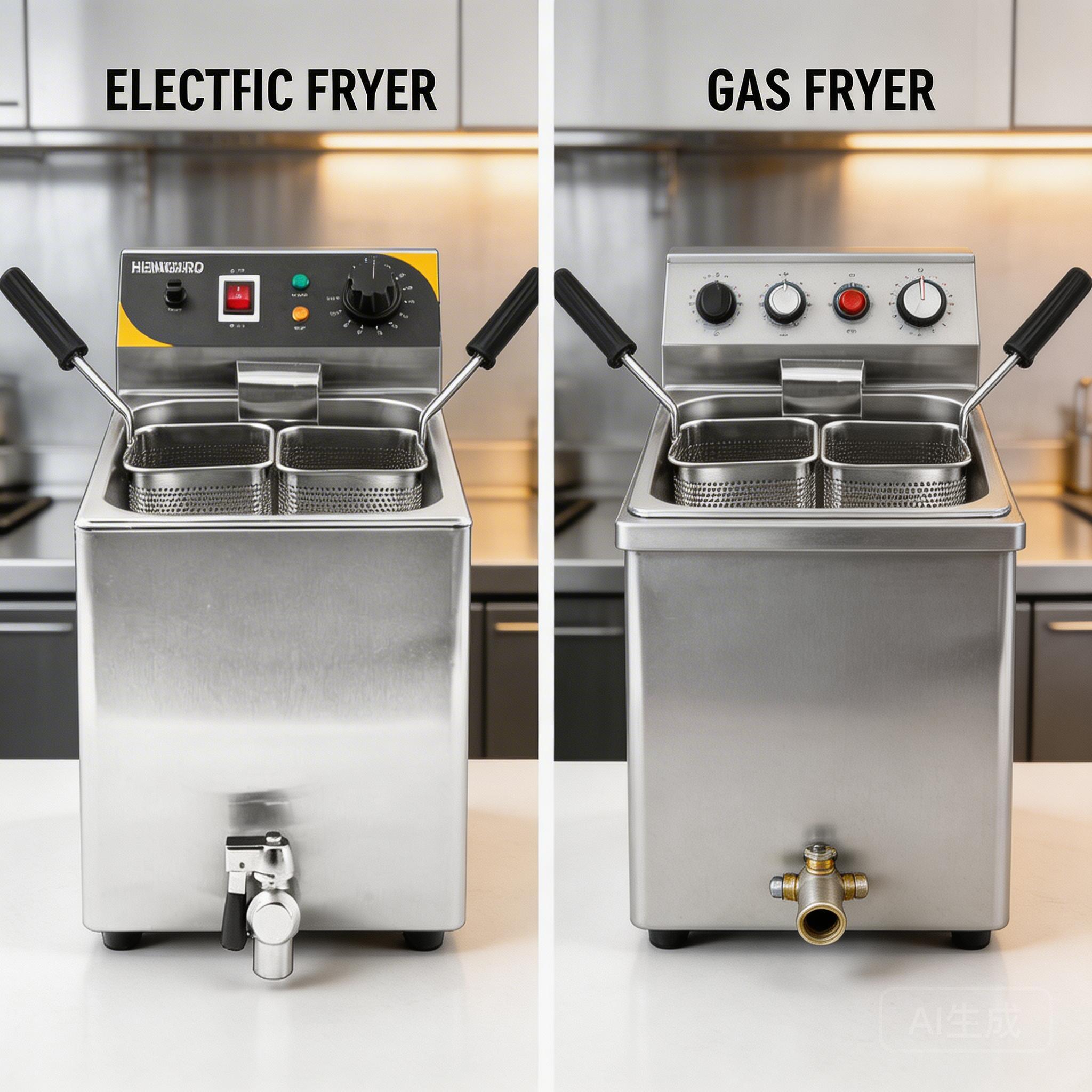
Most commercial electric fryers offer temperature ranges from 200°F to 400°F. Consider models with:
- Digital controls: More precise than analog dials
- Programmable presets: For different menu items
- Temperature alerts: Notify when oil is ready
- Melt cycles: Safely melt solid shortening
5. Filtration System
Regular oil filtration extends oil life and maintains food quality. Options include:
#### Built-in Filtration
- Convenient and automated
- Higher initial cost
- Best for high-volume operations
#### Portable Filtration
- Lower cost
- Requires manual operation
- Suitable for smaller operations
6. Construction and Durability
Look for these quality indicators:
- Stainless steel construction: Resists corrosion and is easy to clean
- Welded tanks: More durable than bolted construction
- Heavy-duty hinges and handles: For frequent use
- Insulated walls: Improve energy efficiency and safety
7. Safety Features
Essential safety features include:
- High-limit thermostat: Prevents overheating
- Cool-touch exterior: Reduces burn risk
- Automatic shut-off: Powers down if temperature exceeds safe limits
- Breakaway cords: Prevent tipping if cord is pulled
Top Features to Look For
1. Multiple Vat Configurations
Consider your menu variety:
- Single vat: Simple menus, one type of fried food
- Twin vat: Different foods without flavor transfer
- Split vat: Flexibility for small and large batches
2. Computerized Controls
Advanced models offer:
- Cook time countdowns
- Automatic basket lifts
- Oil management systems
- Production tracking
3. Energy-Saving Modes
Idle modes reduce power consumption during slow periods while maintaining oil temperature.
4. Easy Cleaning Features
Look for:
- Removable heating elements
- Drain valves with extension pipes
- Smooth interior surfaces
- Dishwasher-safe components
Budget Considerations
Initial Investment
Commercial electric fryer prices vary widely:
- Countertop models: $300 – $1,500
- Entry-level floor models: $1,000 – $3,000
- Mid-range models: $3,000 – $6,000
- High-efficiency models: $6,000 – $15,000+
View Our Electric Fryer Collection
Operating Costs
Factor in ongoing expenses:
- Electricity: $500 – $2,000/year depending on usage
- Oil: $1,000 – $5,000/year depending on filtration practices
- Maintenance: $200 – $800/year
Return on Investment
A quality commercial electric fryer typically pays for itself within 1-2 years through:
- Energy savings
- Extended oil life
- Consistent food quality (reduced waste)
- Increased production capacity
Popular Brands and Models
While we recommend evaluating multiple options, here are some well-regarded manufacturers:
Premium Brands
- Frymaster: Known for durability and advanced controls
- Pitco: Excellent for high-volume operations
- Vulcan: Innovative high-efficiency models
Mid-Range Options
- Dean: Reliable performance at moderate prices
- Cecilware: Good value for small to medium operations
- Wells: Versatile models with solid construction
Budget-Friendly
- Globe: Decent quality for entry-level needs
- Omcan: Affordable options for startups
Explore Biengastro Electric Fryers – Quality commercial electric fryers with CE, UL, and ETL certifications at competitive prices.
Installation Requirements
Electrical Setup
- Dedicated circuit required
- Proper gauge wiring
- Compatible voltage and phase
- Professional installation recommended
Ventilation
Even electric fryers require proper ventilation:
- Type I hood for grease-laden vapors
- Adequate CFM (cubic feet per minute) rating
- Regular hood and duct cleaning
Clearance Requirements
- Minimum 6 inches from combustible surfaces
- Adequate space for operation and cleaning
- Access for maintenance and repairs
Maintenance Tips for Longevity
Daily Maintenance
1. Filter oil at least twice daily
2. Clean exterior surfaces
3. Empty and clean crumb trays
4. Check oil quality and temperature
Weekly Maintenance
1. Deep clean fryer vats
2. Inspect heating elements
3. Check and tighten connections
4. Clean ventilation filters
Monthly Maintenance
1. Professional inspection
2. Calibrate thermostats
3. Check electrical connections
4. Service filtration systems
Common Mistakes to Avoid
1. Undersizing Your Fryer
Buying a fryer that’s too small leads to:
- Long customer wait times
- Inconsistent food quality
- Overworked equipment
- Higher oil costs
2. Ignoring Recovery Time
Slow recovery times during rush hours can cripple your kitchen’s output.
3. Neglecting Filtration
Poor oil management results in:
- Off-flavors in food
- Shorter oil life
- Higher operating costs
- Potential health code violations
4. Choosing Price Over Quality
The cheapest option often costs more in the long run due to:
- Higher energy consumption
- More frequent repairs
- Shorter equipment lifespan
- Inconsistent performance
Making Your Final Decision
Use this checklist to evaluate your options:
☑ Capacity: Can it handle your peak hour volume?
☑ Space: Does it fit your kitchen layout?
☑ Power: Can your electrical system support it?
☑ Features: Does it have the controls and options you need?
☑ Quality: Is construction durable for commercial use?
☑ Support: Is service readily available in your area?
☑ Budget: Does the total cost of ownership fit your finances?
☑ Reviews: What do other restaurant owners say?
Conclusion
Investing in the right commercial electric fryer is crucial for your restaurant’s success. By considering your specific needs, understanding the key features, and evaluating your options carefully, you can select a fryer that will serve your kitchen reliably for years to come.
Remember that the best fryer for your operation balances capacity, efficiency, durability, and cost. Don’t hesitate to consult with equipment specialists who can provide personalized recommendations based on your menu, volume, and kitchen layout.
Ready to explore commercial electric fryers for your restaurant? Browse our selection of high-quality electric fryers or contact our team for personalized guidance on choosing the perfect model for your needs.
—
Frequently Asked Questions
How long does a commercial electric fryer last?
With proper maintenance, a quality commercial electric fryer can last 10-15 years. High-volume operations may see 7-10 years of service life.
Can I use a residential fryer in my restaurant?
No. Residential fryers are not designed for commercial use and violate health codes. They lack the safety features, capacity, and durability required for restaurant operations.
How often should I change the oil in my electric fryer?
With proper filtration, oil can last 5-7 days in a busy restaurant. However, change oil immediately if it becomes dark, smokes excessively, or produces off-flavors.
What’s the difference between tube-type and flat-bottom fryers?
Tube-type fryers have heating tubes running through the oil and work well for most foods. Flat-bottom fryers have a smooth heating surface ideal for delicate, wet-battered items.
Do electric fryers require a hood?
Yes. All commercial fryers, including electric models, require proper ventilation with a Type I hood designed for grease-laden vapors.
—
Related Articles:
- Electric vs Gas Fryer: Which is Better for Your Kitchen?
- How to Clean and Maintain Your Commercial Deep Fryer
- Commercial Kitchen Equipment Trends to Watch in 2025
About Biengastro:
Biengastro is a leading manufacturer of commercial kitchen equipment with over 20 years of experience. We specialize in high-quality electric fryers, ovens, and cooking equipment for restaurants worldwide. All our products carry CE, UL, and ETL certifications.
—
*Last Updated: January 2025*