


Commercial Griddle Buying Guide: Electric vs Gas Flat Top Grill
A commercial griddle (also known as a flat top grill) is one of the most versatile pieces of equipment in any professional kitchen. From breakfast staples like pancakes and eggs to lunch favorites like burgers and sandwiches, a quality griddle can handle it all with consistent results.
In this comprehensive commercial griddle buying guide, we’ll help you navigate the key decisions: electric vs gas, size and capacity, plate material, and essential features. Whether you’re opening a new diner, upgrading your food truck, or expanding your restaurant’s cooking capabilities, this guide will ensure you make the right investment.
Why Every Commercial Kitchen Needs a Quality Griddle
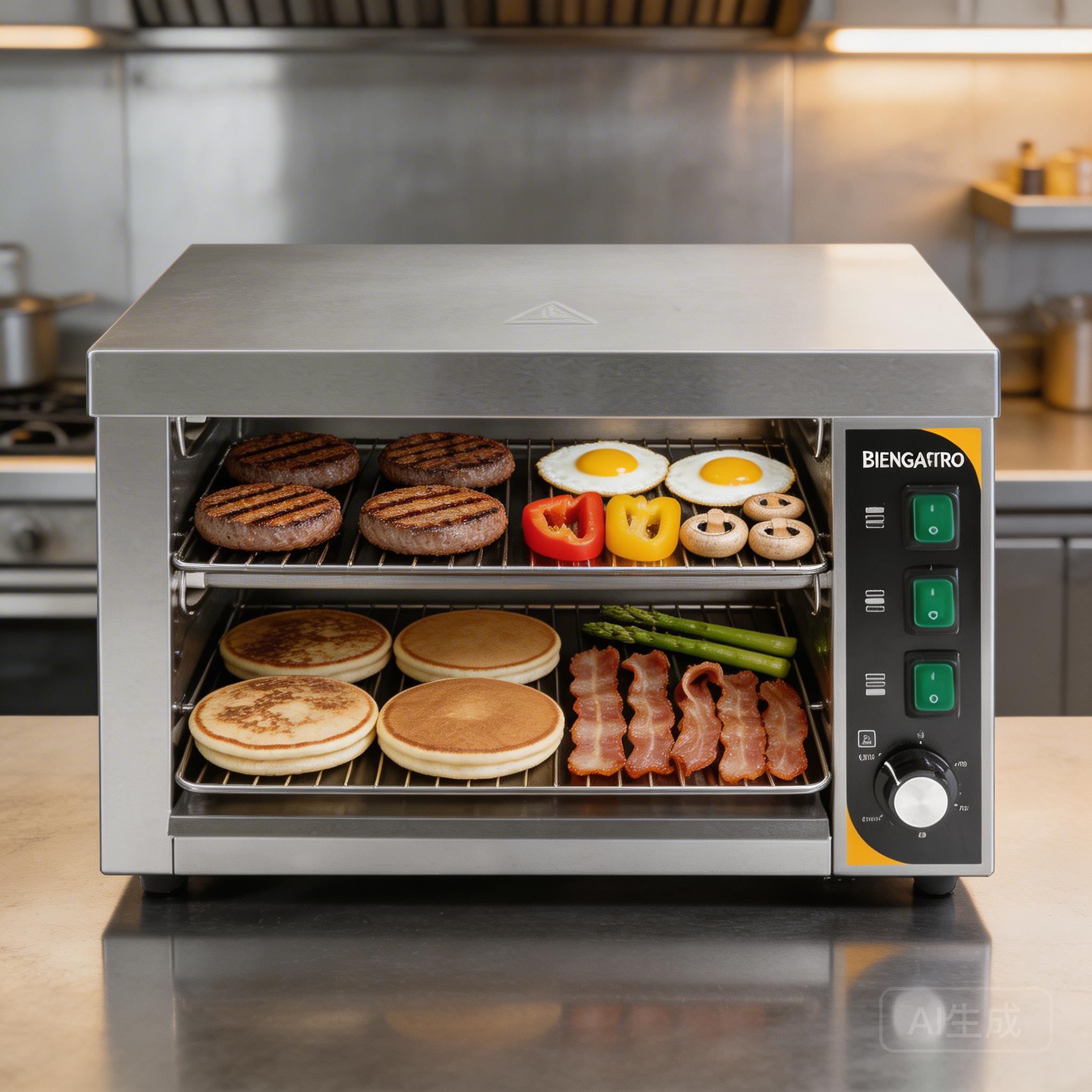
Before diving into specifications, let’s understand why griddles are essential:
Versatility Across Menu Items
-
- Breakfast service: Eggs, pancakes, French toast, bacon
- Lunch & dinner: Burgers, grilled sandwiches, quesadillas
- Sides: Sautéed vegetables, hash browns, onions
- Multi-item cooking: Cook different foods simultaneously without flavor transfer
Consistent Heat Distribution
Unlike traditional grills with grates, flat top griddles provide:
-
- Even heat across the entire cooking surface
- No hot spots or cold zones
- Consistent cooking results every time
- Better temperature control for delicate items
Space and Labor Efficiency
-
- Large cooking surface maximizes output per square foot
- Easy to train staff on simple operation
- Quick cleanup between service periods
- Reduced need for multiple specialized cooking stations
Electric vs Gas Griddle: Making the Right Choice
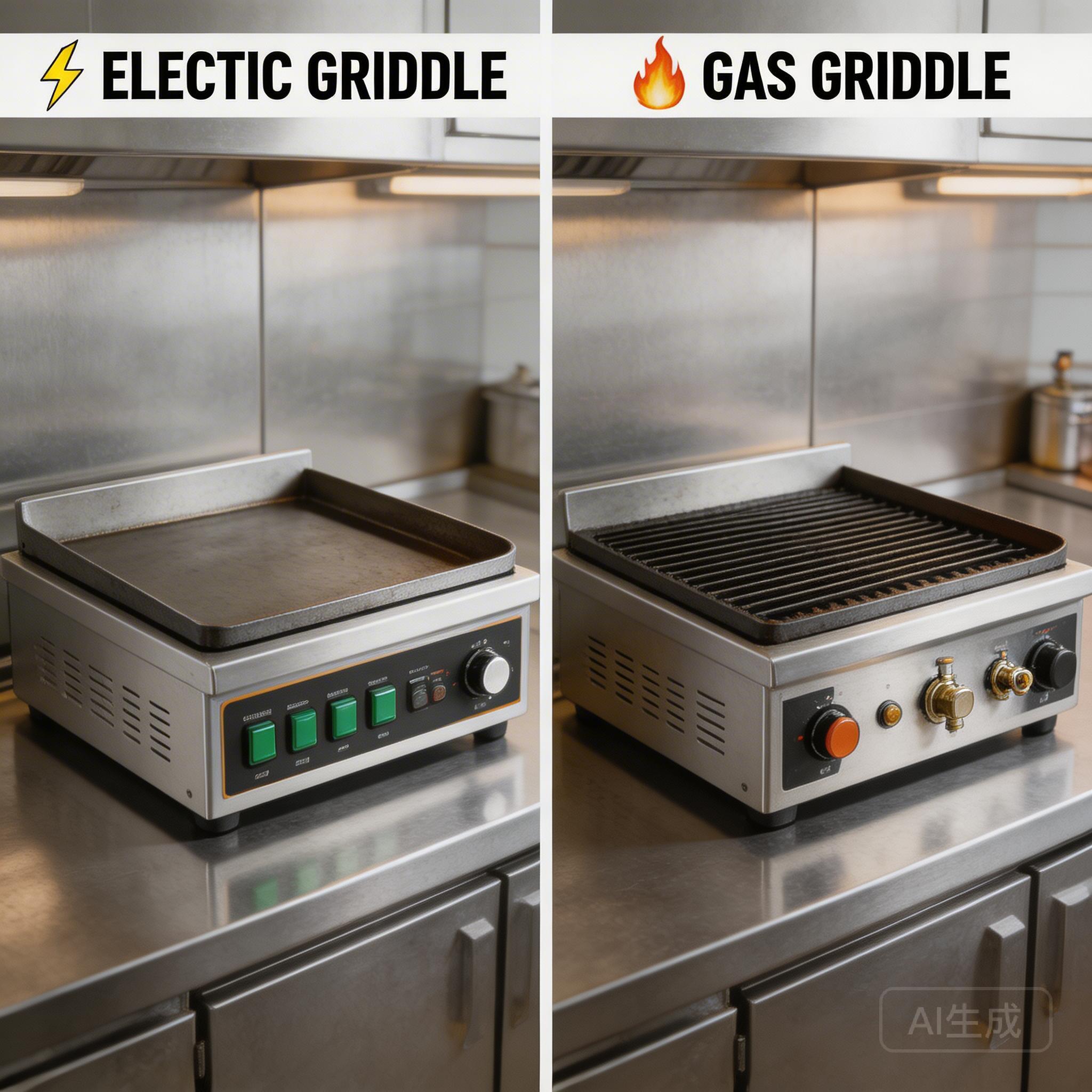
One of the most important decisions is your power source. Here’s a detailed comparison:
Electric Griddles
Advantages:
-
- Easier installation: No gas lines required, just electrical connection
- More energy efficient: 90%+ energy transfer to cooking surface
- Precise temperature control: Digital thermostats maintain consistent heat
- Safer operation: No open flames or gas leaks to worry about
- Better for indoor ventilation: Less heat and combustion byproducts
- Lower maintenance: Fewer mechanical parts than gas units
Considerations:
-
- Higher electricity costs in some regions
- Recovery time can be slower after loading cold food
- Requires adequate electrical capacity (208V or 240V typical)
Best for: Food trucks, small cafes, bakeries, and kitchens without gas access
Gas Griddles
Advantages:
-
- Faster heat-up: Quick recovery time even with heavy loads
- Higher maximum temperatures: Better for searing and high-heat cooking
- Lower operating costs: Natural gas is often cheaper than electricity
- Works during power outages: Can continue operations if electricity fails
- Traditional cooking feel: Many chefs prefer gas for certain techniques
Considerations:
-
- Requires professional gas line installation
- Need proper ventilation and hood systems
- Slightly less energy efficient (heat loss around edges)
- More safety considerations with open flames
Best for: High-volume restaurants, diners, steakhouses, and operations requiring maximum heat output
Key Specifications to Consider
Cooking Surface Size
| Size | Dimensions | Best For |
|——|————|———-|
| Compact | 24″ width | Food trucks, small cafes, concession stands |
| Standard | 36″ width | Medium restaurants, coffee shops |
| Large | 48-60″ width | High-volume diners, busy breakfast spots |
| Extra Large | 72″+ width | Large institutions, catering operations |
Pro tip: Measure your available space carefully, including clearance for ventilation and operator movement.
Plate Material and Thickness
Chrome Plated Steel:
-
- Excellent heat retention and distribution
- Easy to clean, reduced food sticking
- Reflective surface helps with visibility
- Premium option for busy kitchens
Polished Steel:
-
- Good heat conductivity
- More affordable than chrome
- Requires proper seasoning
- Durable for heavy use
Plate Thickness:
-
- 1/2 inch: Light duty, occasional use
- 3/4 inch: Medium duty, standard restaurant use
- 1 inch: Heavy duty, high-volume continuous cooking
Thicker plates retain heat better and provide more consistent cooking, especially during busy rushes.
Temperature Range and Controls
Look for griddles with:
- Temperature range: 150°F to 450°F minimum (up to 550°F+ for high-heat models)
- Thermostatic controls: Maintains set temperature automatically
- Independent zones: Multiple temperature zones for cooking different items simultaneously
- Digital displays: Easy-to-read temperature monitoring
Essential Features to Look For
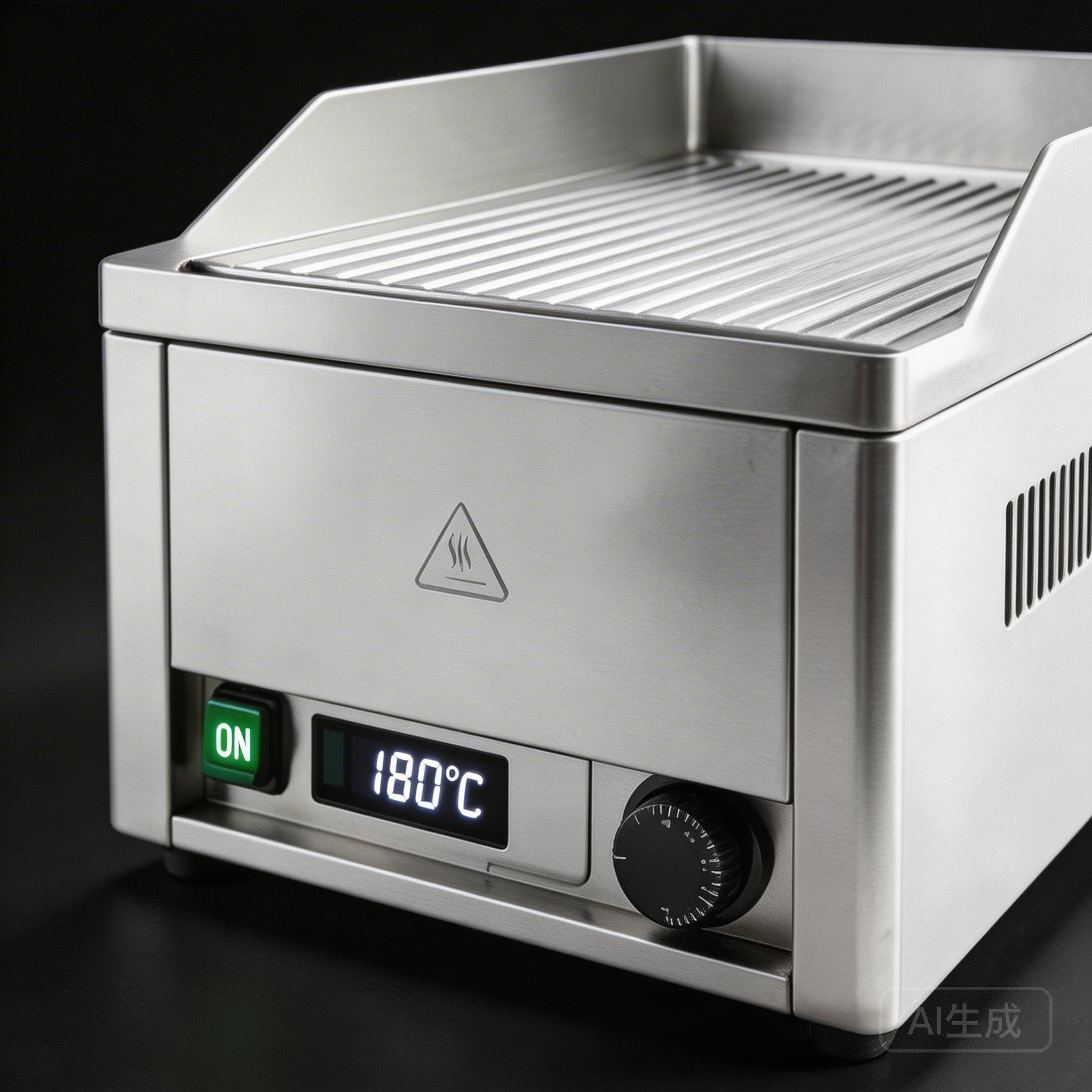
Safety Features
-
- Cool-to-touch front panel: Protects staff from burns
- Grease trough and chute: Directs grease to collection container
- Flame failure safety: Shuts off gas if flame goes out (gas models)
- Non-slip feet: Ensures stable operation
Ease of Cleaning
-
- Removable grease drawer: Easy access for cleaning
- Smooth plate surface: No crevices for food buildup
- Stainless steel construction: Corrosion resistant and easy to sanitize
- Splash guards: Prevent grease from splattering onto walls
Construction Quality
-
- Welded seams: More durable than bolted construction
- Reinforced frame: Supports heavy daily use
- Adjustable legs: Level on uneven floors
- 4-6 inch backsplash: Protects wall from grease splatter
Sizing Your Griddle: A Practical Guide
Calculate Your Needs
Consider these factors:
-
- Peak hour volume: How many items cooked simultaneously during rush?
- Menu variety: Do you need multiple temperature zones?
- Available space: Measure your kitchen layout
- Staff capacity: How many cooks will use it at once?
General Sizing Guidelines
-
- Small operations (coffee shops, bakeries): 24-36″ width
- Medium restaurants (casual dining): 36-48″ width
- High-volume (diners, breakfast spots): 48-60″ width
- Large institutions (hotels, catering): 60-72″+ width
Budget Considerations
Price Ranges (2026 estimates)
| Category | Electric | Gas |
|———-|———-|—–|
| Entry-level (24″) | $800-$1,500 | $1,000-$1,800 |
| Mid-range (36″) | $1,500-$3,000 | $2,000-$3,500 |
| Premium (48-60″) | $3,000-$5,000 | $3,500-$6,000 |
| Heavy-duty (72″+) | $5,000-$8,000 | $6,000-$10,000 |
Total Cost of Ownership
Factor in:
- Installation costs: Electrical work or gas line installation
- Ventilation: Hood and exhaust system requirements
- Operating costs: Monthly gas vs electricity expenses
- Maintenance: Annual service and parts replacement
- Lifespan: Quality units last 10-15 years with proper care
Top Brands and Manufacturers
When researching commercial griddle manufacturers, consider:
-
- Warranty coverage: Look for 1-2 year parts and labor warranties
- Parts availability: Ensure replacement parts are readily available
- Service network: Local technicians for repairs
- Industry reputation: Read reviews from other restaurant owners
- Certifications: NSF, UL, or ETL certifications for safety
Installation Requirements
Electrical Requirements (Electric Models)
-
- 208V or 240V single-phase or three-phase power
- Dedicated circuit with appropriate amperage
- Professional electrician installation recommended
Gas Requirements (Gas Models)
-
- Natural gas or propane connection
- Adequate gas pressure (consult specifications)
- Licensed plumber for installation
- Carbon monoxide detector in kitchen
Ventilation
All griddles require:
-
- Commercial hood system rated for griddle use
- Adequate makeup air
- Regular hood and duct cleaning schedule
- Fire suppression system in hood
Maintenance Tips for Longevity
Daily Cleaning
-
- Scrape off food debris while griddle is warm
- Wipe with clean cloth and food-safe cleaner
- Empty and clean grease drawer
- Polish stainless steel surfaces
Weekly Maintenance
-
- Deep clean cooking surface with griddle brick or pumice
- Check and clean grease trough
- Inspect gas connections (gas models)
- Calibrate thermostats if needed
Seasonal Care
-
- Professional inspection of all components
- Replace worn gaskets and seals
- Check electrical connections
- Service gas valves and regulators (gas models)
Common Mistakes to Avoid
-
- Undersizing: Buying too small for your volume needs
- Wrong power source: Not considering long-term operating costs
- Ignoring ventilation: Inadequate hood systems cause problems
- Poor placement: Installing too close to walls or other equipment
- Skipping maintenance: Neglecting daily cleaning reduces lifespan
- Cheap alternatives: Restaurant-grade equipment pays for itself
Frequently Asked Questions
Q: How long does a commercial griddle last?
A: With proper maintenance, 10-15 years. Heavy-use operations may see 7-10 years.
Q: Can I use a residential griddle in my restaurant?
A: No. Commercial griddles are built for continuous use, have better safety features, and meet health code requirements.
Q: What’s the difference between a griddle and a flattop?
A: They’re essentially the same thing. “Griddle” is the common term, while “flattop” or “flat top grill” describes the cooking surface.
Q: How often should I clean my griddle?
A: Scrape and wipe down after each service. Deep clean weekly. Professional service every 6 months.
Q: Can I cook frozen items directly on the griddle?
A: Yes, but expect longer cooking times and potential temperature recovery delays. Thawing first is recommended.
Conclusion: Making Your Decision
Choosing the right commercial griddle comes down to understanding your specific needs:
-
- Volume: How much will you cook daily?
- Menu: What items and at what temperatures?
- Space: What are your kitchen constraints?
- Budget: Initial investment vs. long-term operating costs
- Power: Electric availability vs. gas preference
Take time to research, measure your space, and calculate your true needs. A well-chosen griddle will serve your kitchen reliably for over a decade, making it one of the smartest investments in your commercial kitchen.
Ready to explore quality commercial griddles? Browse our selection of electric griddles and gas griddles designed for professional kitchens, or contact our team for personalized recommendations based on your specific operation.
—
Last updated: March 2026