


Commercial Kitchen Equipment Hygiene and Food Safety Standards Guide
In the fast-paced world of restaurants, hotels, bakeries, and food service, commercial kitchen food safety standards are the backbone of a successful, compliant operation. A single oversight—whether in equipment design, sanitation, or maintenance—can lead to foodborne illnesses, costly legal action, and irreversible damage to your brand. With over 20 years of expertise, Biengastro (biengastro.com) empowers businesses to meet and exceed these standards with CE/UL-certified equipment, hygienic design, and actionable safety protocols. This guide explores critical food safety regulations, equipment hygiene practices, and how to select tools that prioritize safety without compromising efficiency.
1. The Critical Importance of Food Safety in Commercial Kitchens
Food safety is not just a regulatory checkbox—it’s a commitment to public health, legal compliance, and business longevity. Consider these stark realities:
- The CDC estimates 48 million Americans suffer foodborne illnesses annually, with 128,000 hospitalizations and 3,000 deaths.
- A single food safety violation can cost a restaurant up to $10,000 in fines, plus lost revenue from negative publicity.
- Reputational damage from a food safety incident can take years to repair, with 60% of consumers avoiding businesses linked to such issues (source: National Restaurant Association).
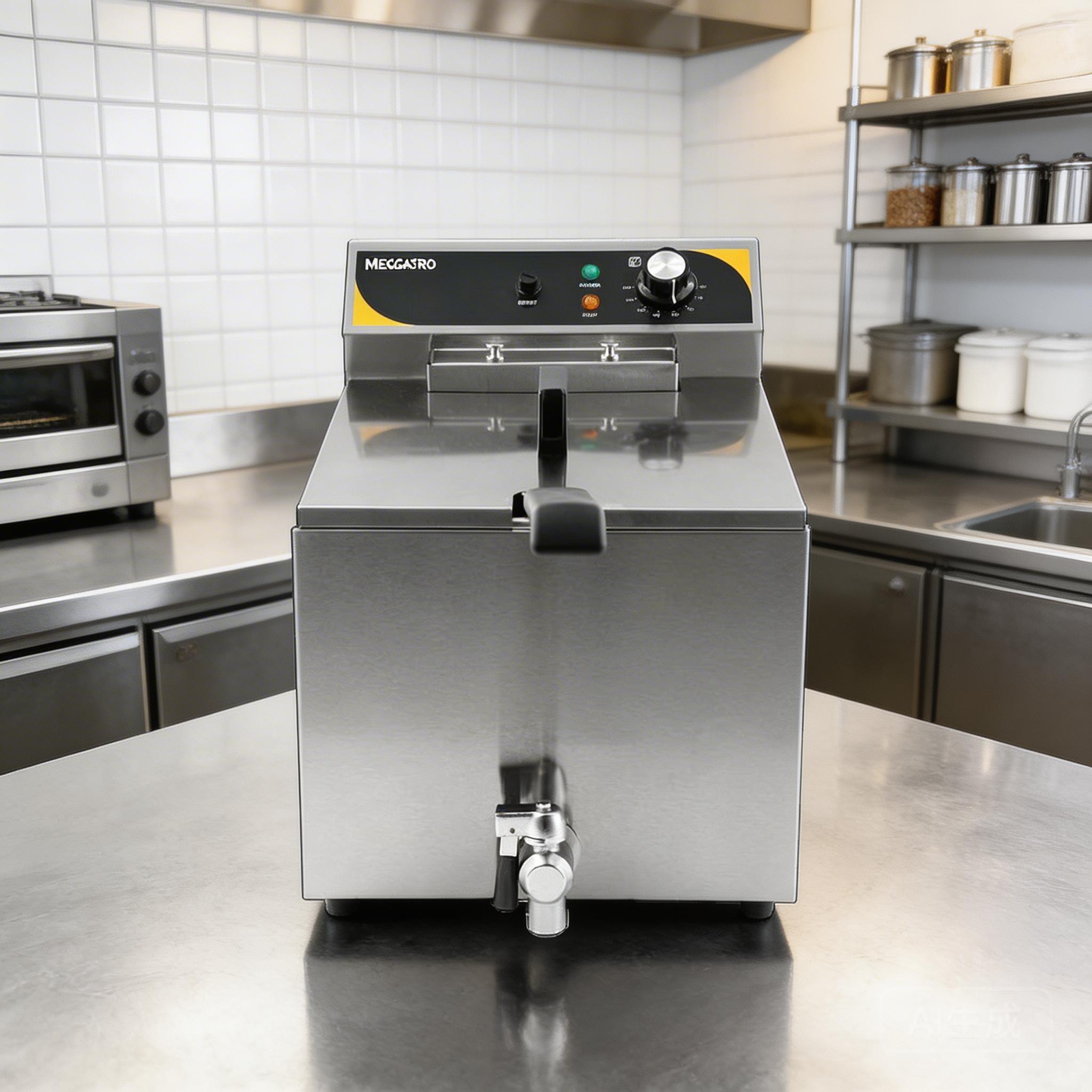
Commercial kitchen equipment plays a pivotal role here. Faulty fryers, unhygienic ovens, or poorly designed prep stations can become breeding grounds for bacteria like Salmonella or E. coli. For example, a fryer with uneven heating (or dirty oil) can undercook food, while a rusted oven shelf can contaminate dishes. Biengastro’s equipment—like the BF4SV Electric Fryer (2000W, 4L capacity, S.S201 0.6mm construction)—is engineered to minimize these risks with food-safe materials and precise temperature control.
2. Key Food Safety Standards & Regulations
Navigating food safety regulations can feel overwhelming, but three frameworks dominate:
CE Certifications
For global compliance, CE (European) and UL (U.S.) certifications confirm equipment meets safety, health, and environmental standards. Biengastro’s products—including the BF13SV Electric Fryer (9000W, 13L, S.S201)—carry these certifications, ensuring compatibility with international food safety norms.
3. Hygiene Practices for Commercial Kitchen Equipment
Consistent hygiene practices are as critical as equipment design. Here’s how to keep your kitchen safe:
Daily Cleaning Rituals
-
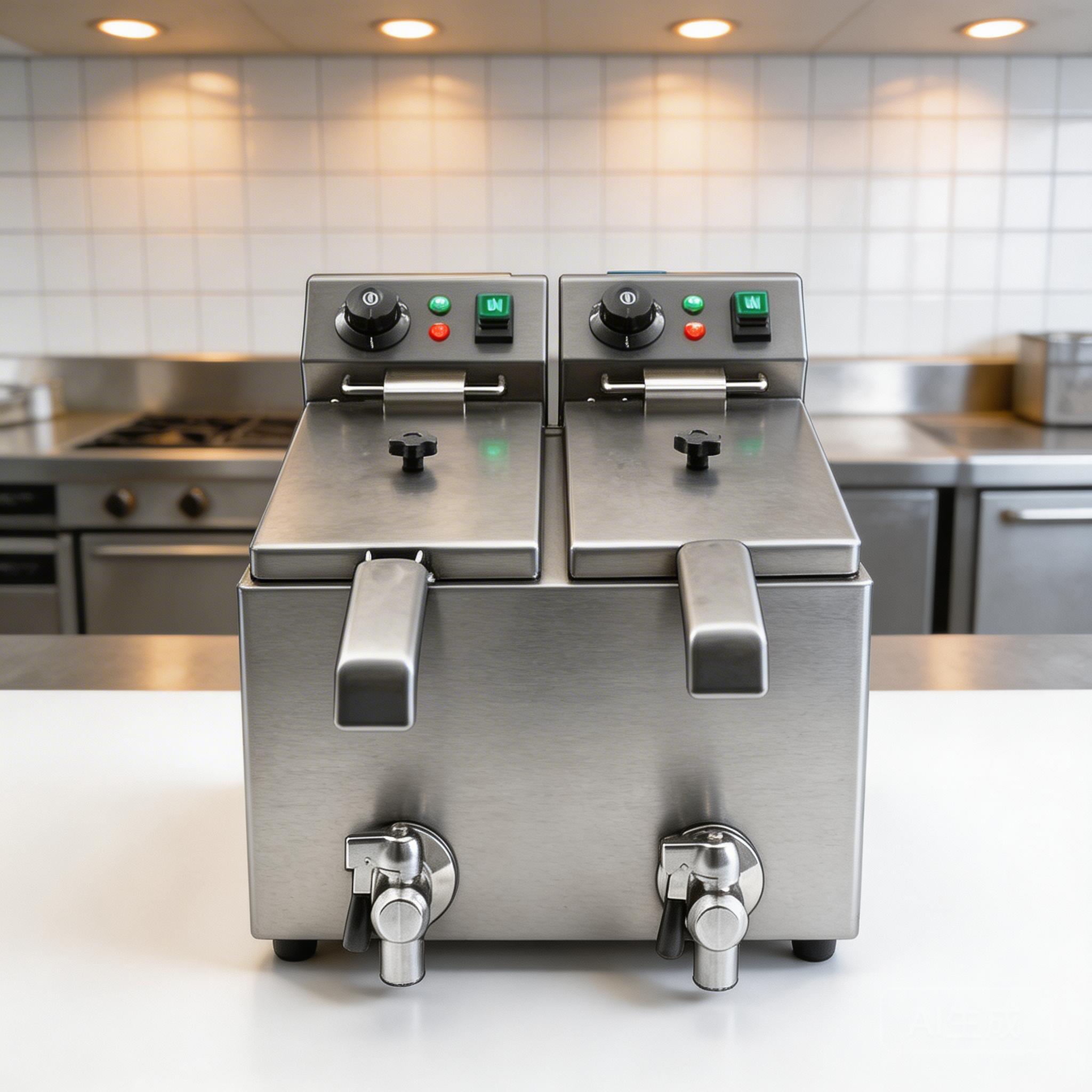
- Fryers: After each shift, drain oil (if using a Biengastro BF4DV Dual Tank Fryer, separate tanks simplify this), scrub baskets with food-safe detergent, and wipe down exteriors.
- Ovens: Remove spills immediately, use oven-safe degreasers, and sanitize racks. Biengastro’s commercial ovens feature smooth, stainless steel interiors for easy cleaning.
- Prep Stations: Disinfect cutting boards, knives, and surfaces every 2 hours (or after raw food contact).
Cross-Contamination Prevention
-
- Use color-coded utensils (e.g., red for raw meat, green for veggies) and dedicated equipment (e.g., a separate fryer for allergen-free dishes).
- Store raw foods below cooked items to prevent drippage. Biengastro’s equipment designs (like sealed fryer lids) minimize splatter and cross-contamination.
4. Selecting Food-Safe Kitchen Equipment
When investing in equipment, prioritize these factors:
Material Quality
-
- Stainless Steel Grades: SS304 (used in our BF10SC) is ideal for food contact (corrosion-resistant, non-reactive), while SS201 (e.g., BF4SV) works for non-food-contact surfaces or low-acidity environments.
- Avoid porous materials (wood, uncoated aluminum) that trap bacteria.
Design for Sanitation
-
- Look for smooth, seamless surfaces (no crevices for bacteria), removable parts (e.g., fryer baskets, oven racks), and easy-to-access components. Biengastro’s fryers feature sloped tanks to drain oil completely, reducing residue buildup.
Temperature Control
-
- Fryers (like the BF12SV with 3000W and 12L capacity) should maintain precise temperatures (350–375°F for frying) to kill bacteria and ensure even cooking.
- Ovens must have accurate thermostats to prevent undercooking (a common food safety risk).
5. Equipment Maintenance & Sanitation Protocols
A proactive maintenance schedule extends equipment life and ensures safety:
Daily Checks
-
- Test fryer temperature controls (Biengastro’s models have built-in thermostats for accuracy).
- Inspect oven door seals for gaps (heat loss = uneven cooking).
Weekly Deep Cleans
-
- Descale ovens and fryers to remove mineral deposits (use vinegar or commercial descalers).
- Sanitize ice machines, refrigerators, and prep tables with NSF-approved cleaners.
Annual Servicing
-
- Hire a technician to calibrate thermostats, inspect electrical components (e.g., in BF13SV’s 9000W system), and replace worn parts. Biengastro offers post-purchase support to keep equipment in top shape.
6. Biengastro’s Food-Safe Equipment Recommendations
For businesses prioritizing food safety, these Biengastro products deliver compliance, durability, and efficiency:
Electric Fryers
-
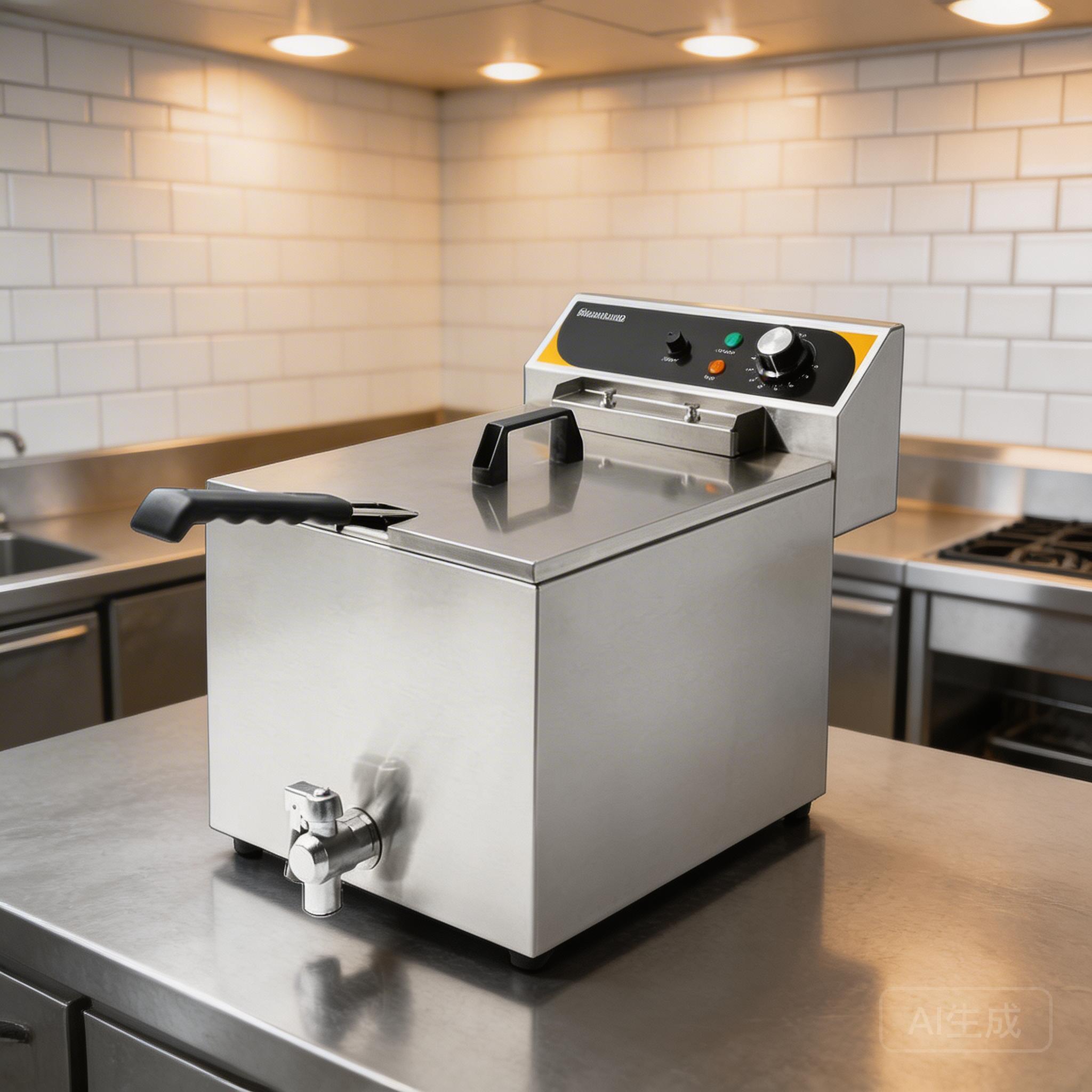
- BF4SV (Single Tank): 2000W, 4L capacity, S.S201 construction—ideal for small cafes or food trucks. Perfect for quick, safe frying with easy-to-clean surfaces.
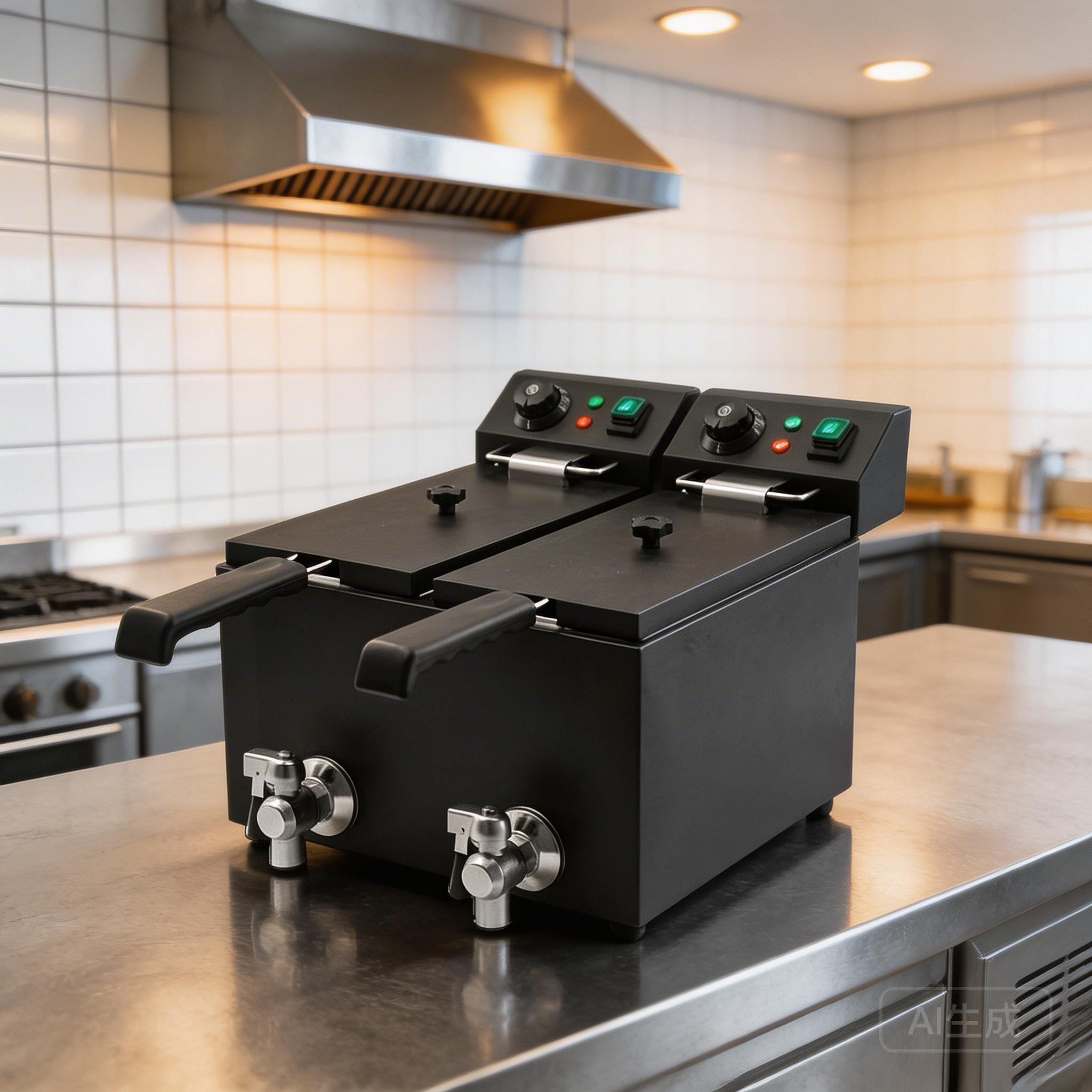
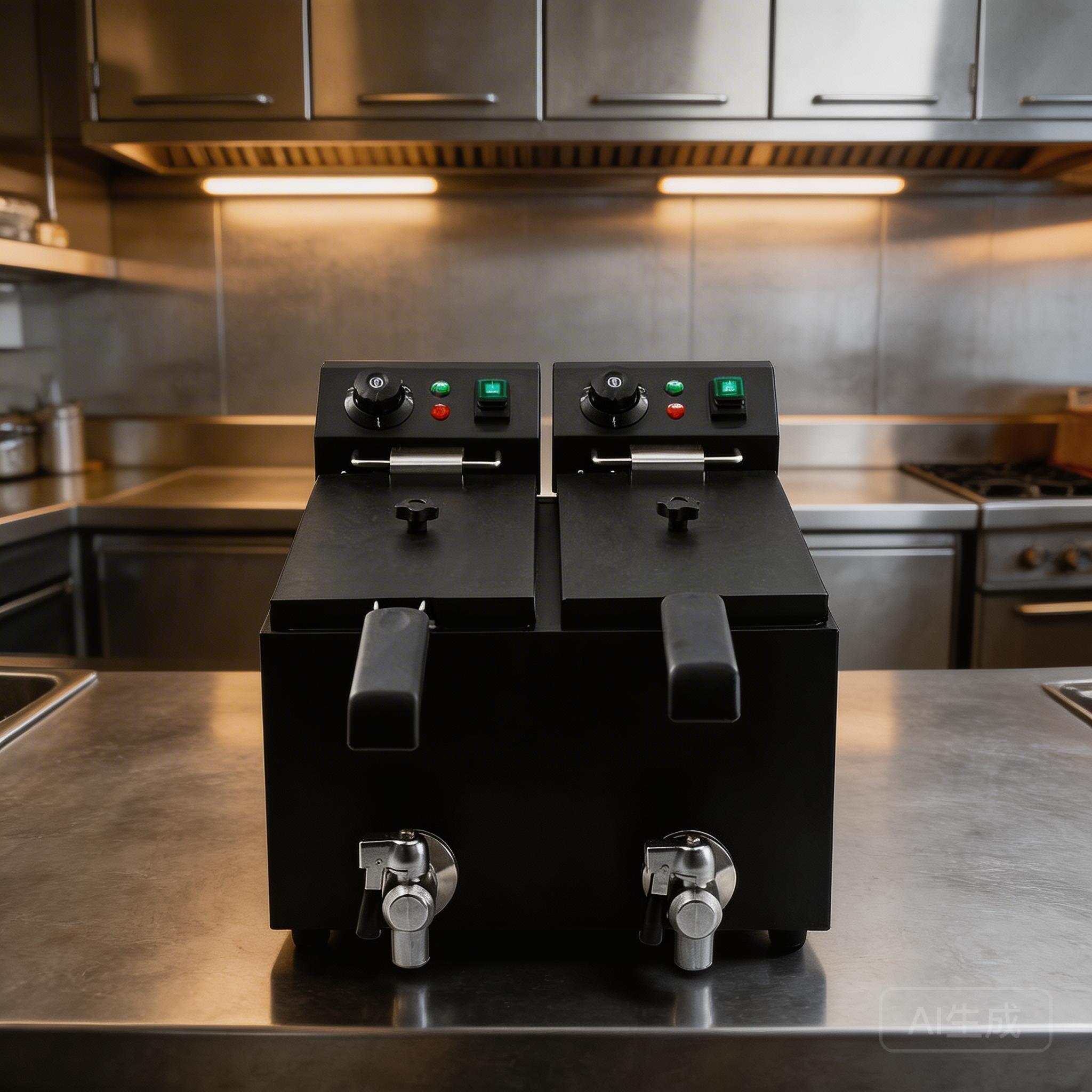
- BF4DV (Dual Tank): 2000+2000W, 4+4L capacity—great for high-volume operations (e.g., busy restaurants) needing separate tanks for allergens or menu items.
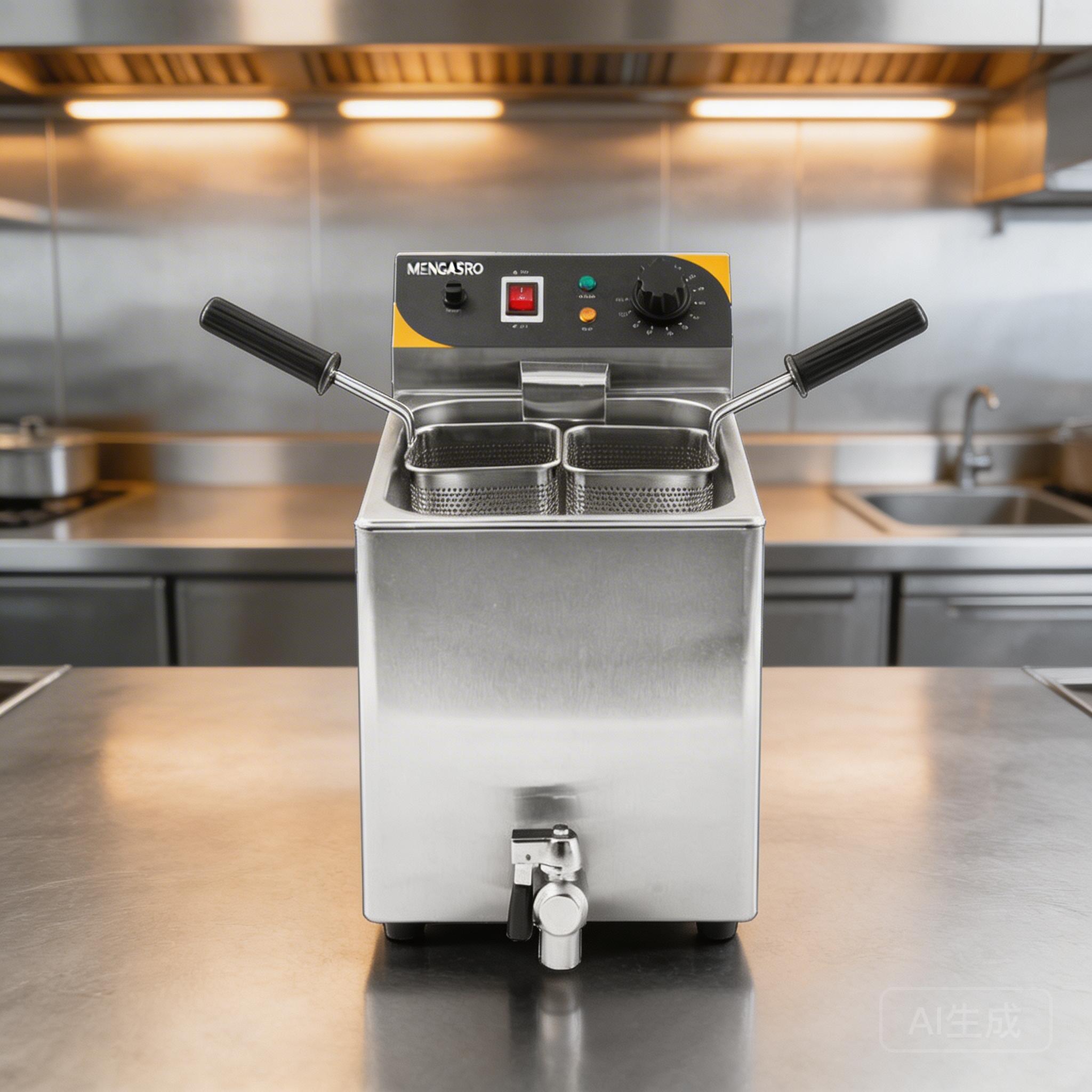
- BF10SC (SS304): 3000W, 10L capacity, SS304 material—best for food-contact safety in bakeries, delis, or seafood joints (resists corrosion from acidic foods like tomatoes or citrus).
Commercial Ovens
Explore Biengastro’s commercial oven range for NSF-listed, stainless steel models with precise temperature control—critical for baking safety (e.g., killing mold spores in dough).
FAQ: Commercial Kitchen Food Safety & Equipment
What certifications should I prioritize in kitchen equipment?
Focus on NSF (food safety), CE/UL (safety standards), and FDA compliance. Biengastro’s products meet all three, ensuring global acceptability.
How often should I clean commercial fryers?
Daily for baskets and exteriors, weekly for deep tank cleaning. Biengastro’s BF4DV’s dual tanks make weekly cleaning faster (drain one tank at a time).
Can Biengastro equipment help with NSF compliance?
Yes—our fryers, ovens, and cooking equipment are designed to meet NSF’s hygiene and safety criteria, simplifying compliance for your business.
Conclusion: Elevate Safety with Expert Equipment
Meeting commercial kitchen food safety standards requires a blend of knowledge, practices, and quality equipment. Biengastro’s 20+ years of expertise, CE/UL-certified products (like the BF10SC with SS304), and focus on hygienic design empower your kitchen to thrive.
Ready to upgrade your food-safe equipment? Browse our electric fryers or commercial ovens at biengastro.com/shop. For personalized guidance, contact our team—we’re here to help you build a safer, more efficient kitchen.