


Floor Standing Food Warmer Buying Guide: How to Choose the Best Commercial Floor Model for Your Business
In the fast-paced world of commercial foodservice, maintaining food temperature and quality is non-negotiable. For restaurant owners, catering managers, and hotel F&B directors, a floor standing food warmer is a critical investment to ensure dishes stay hot, safe, and appealing from kitchen to customer. Whether you’re serving a bustling buffet, prepping for a catering event, or displaying freshly baked goods, choosing the right floor model food warmer impacts efficiency, food safety, and customer satisfaction.
This guide will walk you through everything you need to know—from understanding what floor standing food warmers are, to comparing types, key features, and use cases. We’ll also highlight why Biengastro’s SS304 stainless steel, CE/RoHS/LFGB-certified warmers (with adjustable 60–85°C temperature and double-sided displays) are a top choice for B2B buyers. Let’s dive in.
H2: What Is a Floor Standing Food Warmer?
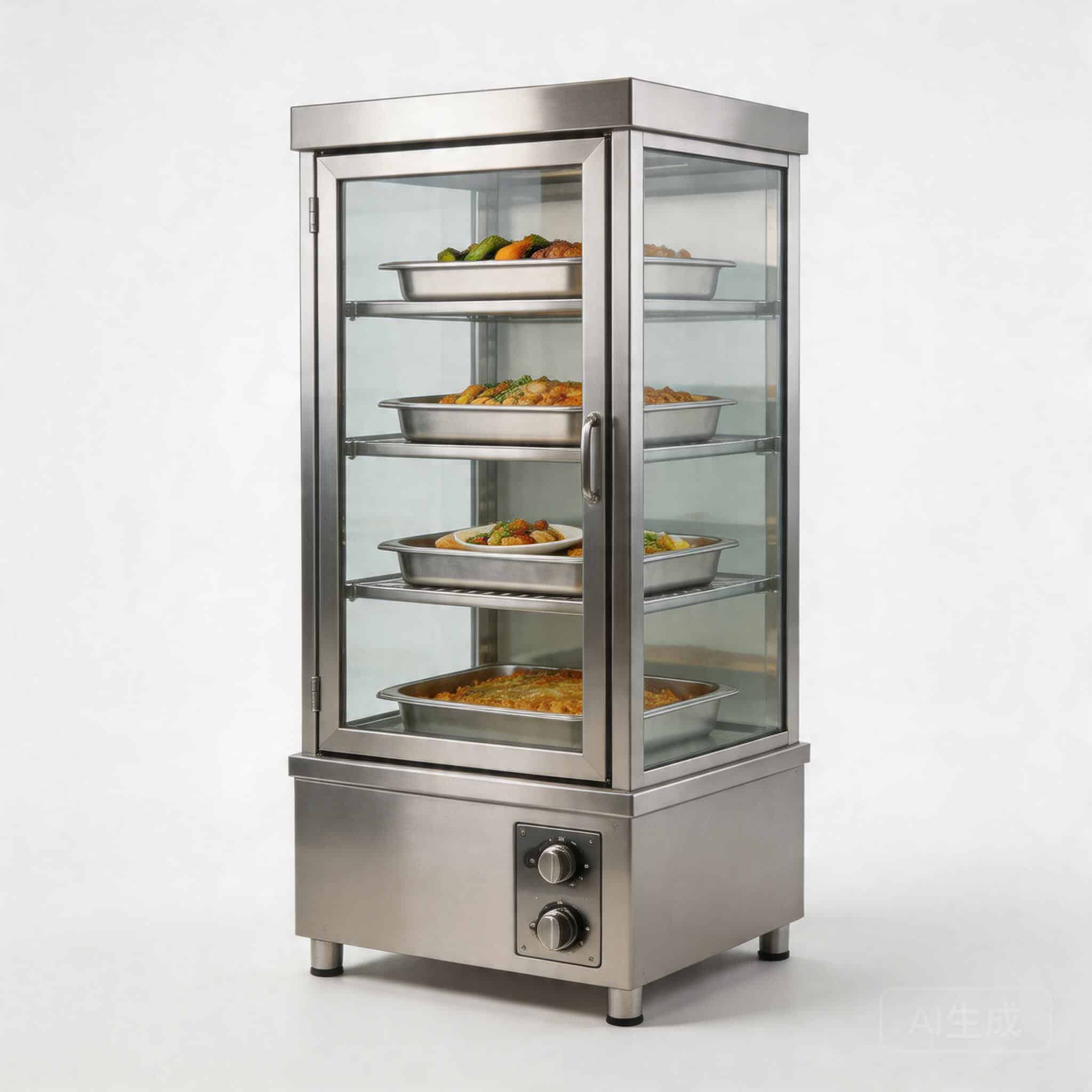
A floor standing food warmer (also called a floor model food warmer or standing food display warmer) is a commercial kitchen appliance designed to hold and maintain the temperature of prepared food in a floor-mounted unit. Unlike countertop models, these warmers are built for heavy-duty use, larger capacities, and optimal space efficiency in high-volume environments.
Core Design & Functionality:
- Structure: Typically constructed with stainless steel (e.g., Biengastro’s SS304 models) for durability, hygiene, and easy cleaning.
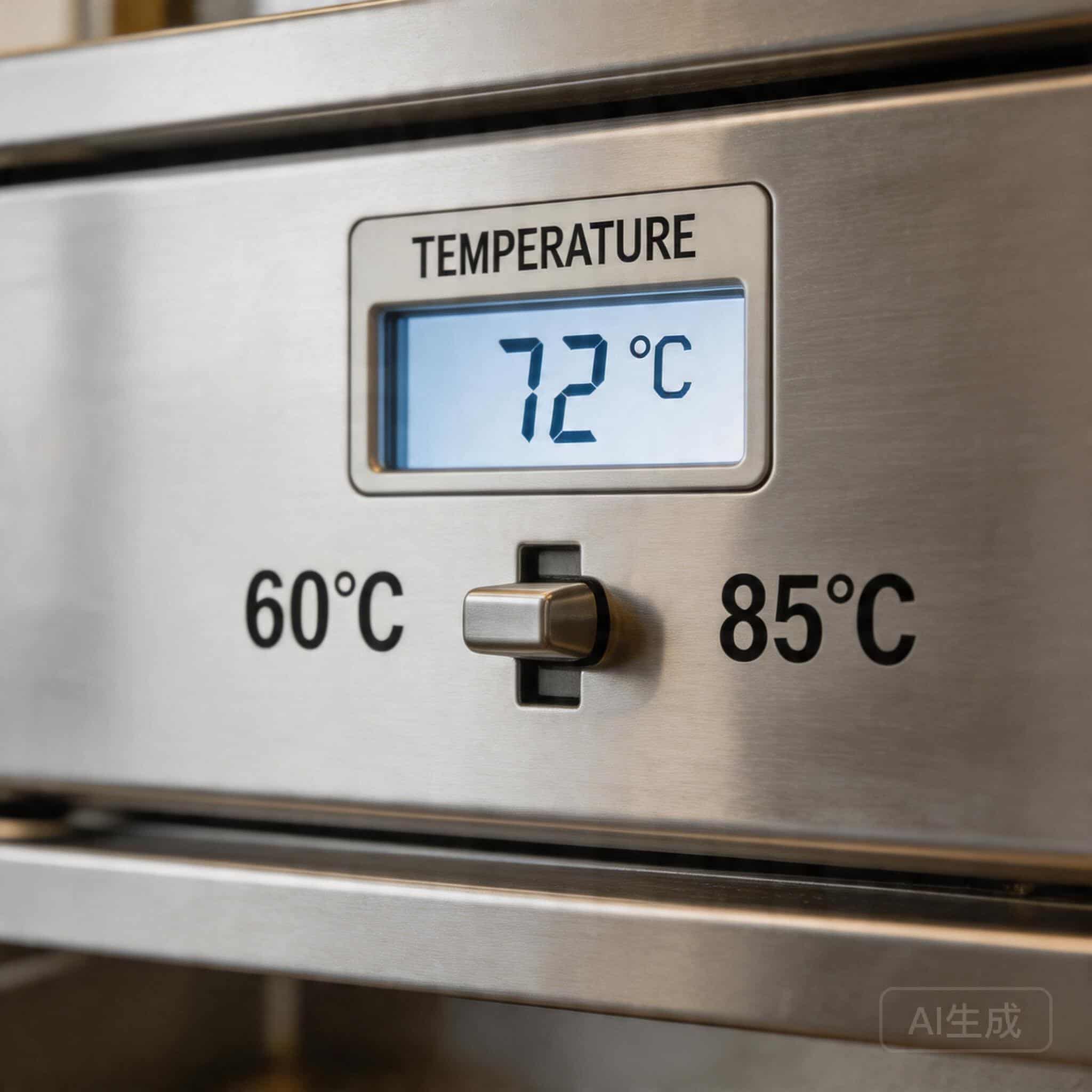
- Temperature Control: Most models offer adjustable heat (often 60–85°C, ideal for keeping food warm without overcooking) via thermostats or digital controls.
- Capacity: Ranges from holding a few trays of food to large, multi-shelf units for buffets, catering, or retail displays.
- Display & Accessibility: Many feature glass doors or open shelves (like display cabinets) to showcase food while keeping it warm, with easy access for staff or self-serve customers.
Common Uses:
Floor standing food warmers excel in scenarios like:
- Buffet lines (hot entrees, sides, desserts)
- Catering events (holding food before service)
- Bakeries/cafes (displaying pastries, sandwiches)
- Delis/grocery stores (hot meals, rotisserie items)
For example, Biengastro’s floor standing food warmers combine robust construction with double-sided displays, allowing customers to view offerings from multiple angles while maintaining consistent heat—perfect for high-traffic venues.
H2: Key Benefits of Floor Standing vs Countertop Food Warmers
When deciding between floor standing and countertop food warmers, understanding their strengths helps align with your business’s needs. Here’s how floor models outperform (or complement) countertop options:
1. Capacity & Volume
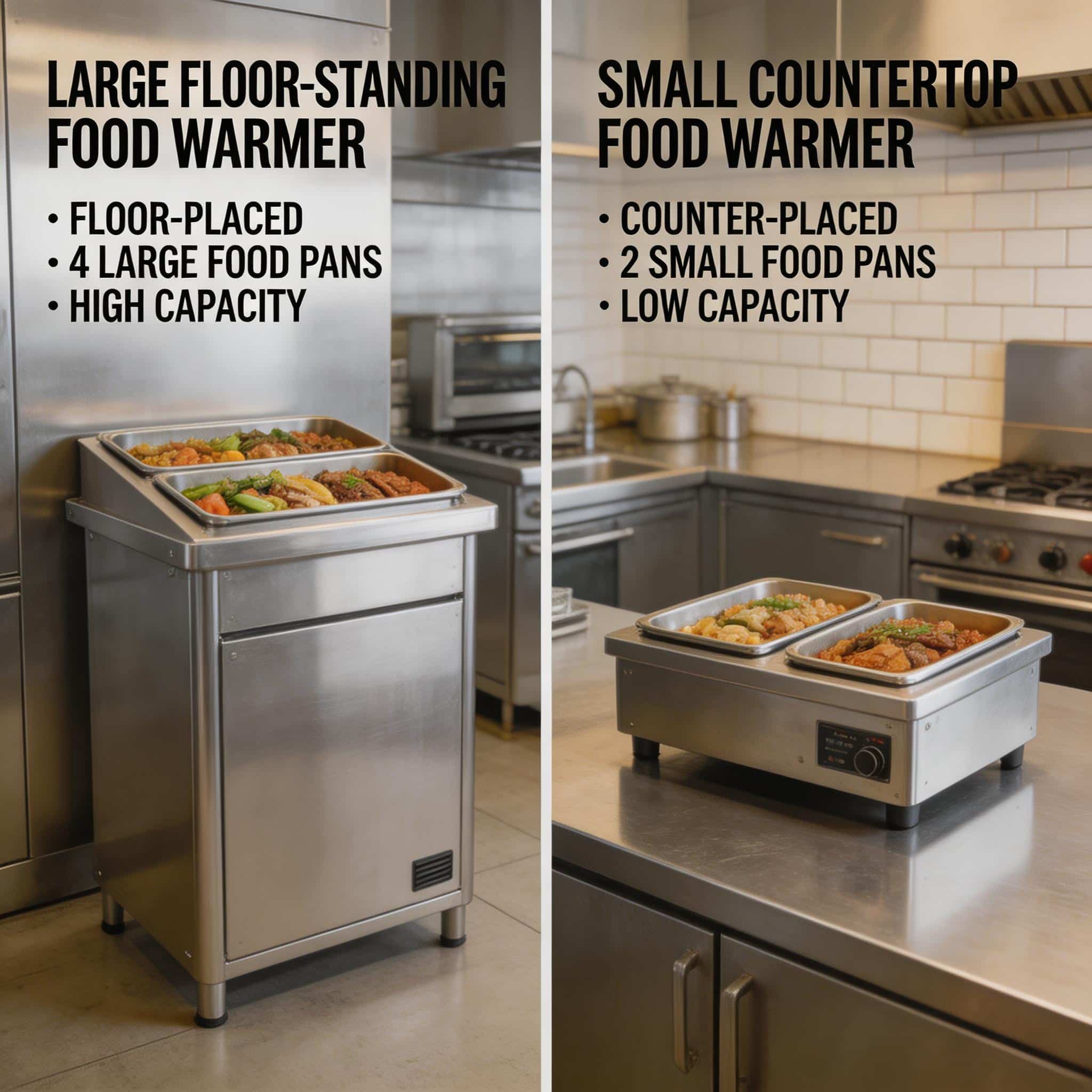
Floor standing warmers offer significantly larger capacities—ideal for high-volume operations. A countertop model might hold 2–4 trays, while a floor unit (like Biengastro’s) can manage 10+ trays, full-size pans, or bulk items (e.g., 20+ rotisserie chickens).
2. Space Efficiency
While countertop models save table space, floor warmers optimize vertical space. By using height (e.g., multi-shelf displays), they free up counter space for food prep or service, without sacrificing storage. This is crucial in kitchens where every square foot counts.
3. Durability & Longevity
Built for commercial use, floor models (e.g., Biengastro’s SS304 stainless steel units) resist wear, corrosion, and impact. Countertop models, while functional, often have lighter-duty construction suited for lower-volume use.
4. Mobility & Flexibility
Many floor warmers include casters (wheels) for easy repositioning—ideal for catering events or rearranging buffet setups. Countertop models are stationary, limiting flexibility.
5. Branding & Display
Floor standing warmers with glass displays (e.g., Biengastro’s double-sided models) enhance food presentation, driving impulse purchases in retail or self-serve settings. Countertop models, by contrast, prioritize compactness over display.
For B2B buyers prioritizing scalability, durability, and professional-grade performance, floor standing food warmers (especially Biengastro’s CE/RoHS/LFGB-certified options) are the clear choice for long-term value.
H2: Types of Floor Standing Food Warmers
Commercial floor standing food warmers come in several specialized types, each tailored to specific foodservice needs. Choosing the right type depends on your menu, volume, and customer flow:
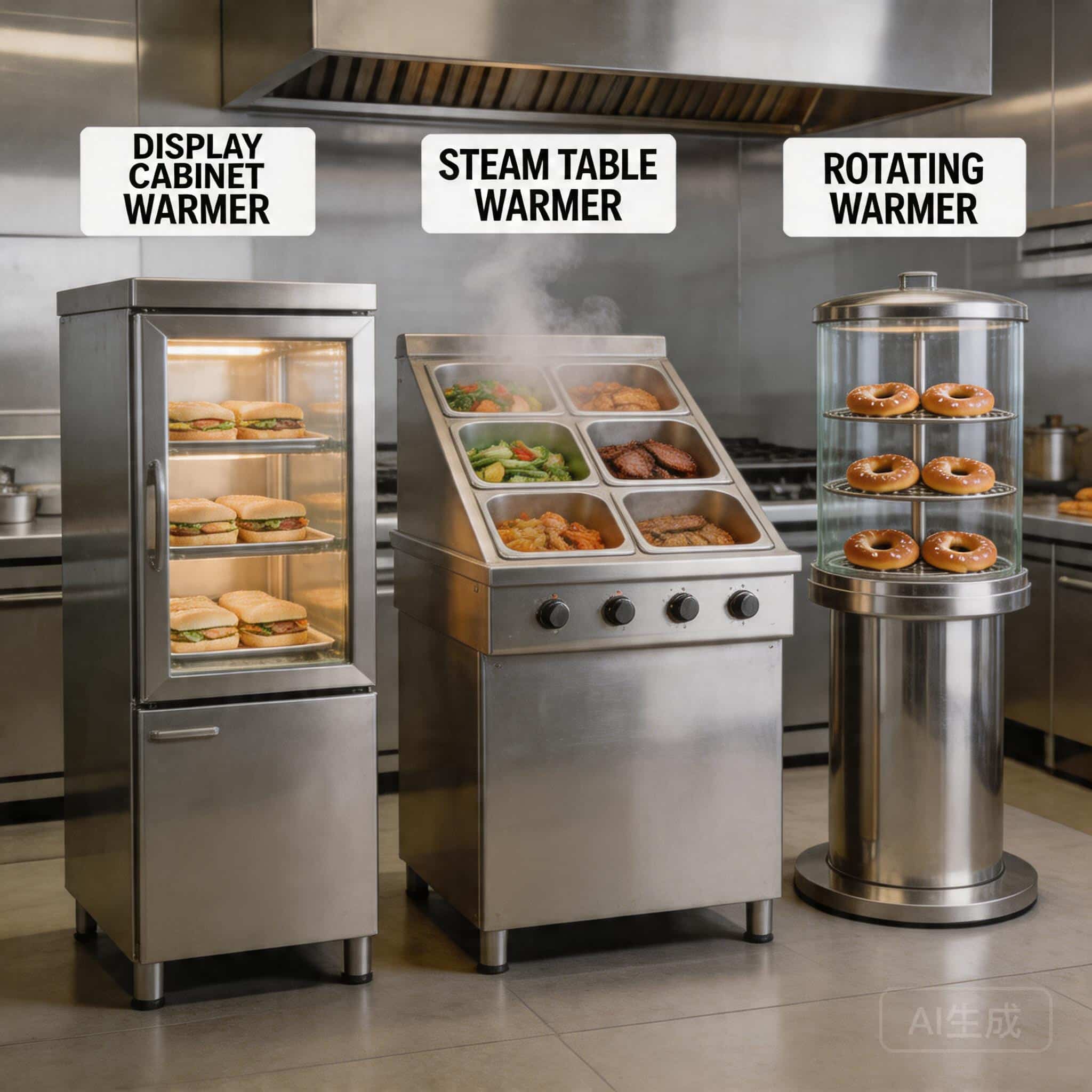
1. Display Cabinet Warmers
These are workhorses for buffets, bakeries, and retail displays. Featuring glass doors (or open shelves) and multiple tiers, they showcase food while maintaining heat.
- Specs: Temperature 60–85°C, capacity up to 10+ full-size pans, stainless steel construction.
- Use Case: Bakeries (pastries), cafes (sandwiches), buffets (entrees).
- Biengastro Example: Models with double-sided glass displays for maximum visibility, ideal for self-serve environments.
2. Heat Lamp Warmers (Overhead or Free-Standing)
Heat lamp warmers use infrared heat to keep food warm from above (or in enclosed units). Some are floor-standing with vertical heat lamps, while others have overhead lamps for open displays.
- Specs: Focused heat (often 70–90°C), good for single items or small batches.
- Use Case: Rotisserie chickens, pizza, or “grab-and-go” meals.
- Related Link: For more on heat lamps, check our commercial food heat lamp guide.
3. Steam Table Warmers
Also known as hot food tables, these use steam (or dry heat) to keep food in pans warm. Popular in cafeterias, diners, and catering.
- Specs: Multiple wells (pans) for different dishes, temperature control per well, often with water pans for steam.
- Use Case: Serving multiple hot items (e.g., entrees, sides) in a buffet line.
4. Rotating Food Warmers
Designed for displaying rotating items (e.g., rotisserie chickens, kebabs), these use a motorized mechanism to ensure even heating and visibility.
- Specs: Motorized rotation, enclosed or open design, temperature 60–80°C.
- Use Case: Grocery stores, delis, or high-volume chicken shops.
5. Combination Warmers
Some models blend features (e.g., display cabinets with heat lamps, or steam tables with glass displays) for versatile use. Biengastro’s offerings often combine functionality, like double-sided displays with adjustable heat, to suit diverse menus.
Choosing the right type depends on your primary use: display-focused (cabinet), multi-item service (steam table), or specialized rotation (rotating). For example, a bakery might prioritize a display cabinet, while a caterer might need a steam table for bulk service.
H2: Key Features to Look For When Buying
To ensure your floor standing food warmer meets commercial demands, prioritize these technical and functional features:
1. Temperature Control & Range
- Accuracy: Look for models with precise thermostats (digital or analog) to maintain 60–85°C (ideal for food safety—above 60°C prevents bacteria growth, below 85°C avoids overcooking).
- Adjustability: Biengastro’s warmers, for example, offer 60–85°C adjustment to suit different foods (e.g., 60°C for pastries, 80°C for entrees).
2. Material & Construction
- Stainless Steel: Opt for 304 or 316 stainless steel (like Biengastro’s SS304 models) for durability, hygiene, and easy cleaning. Avoid cheaper materials that dent or rust.
- Insulation: Good insulation (e.g., double-walled cabinets) reduces heat loss, saves energy, and keeps exterior surfaces cool.
3. Capacity & Layout
- Pan Capacity: Calculate how many full-size (1/1, 1/2, 1/3) pans you need to hold. For example, a buffet might need 5–10 pans, while a bakery might need 2–3 shelves of pastries.
- Shelf/Well Design: Adjustable shelves (for display cabinets) or removable pans (for steam tables) add flexibility.
4. Display & Accessibility
- Glass Quality: Tempered glass (heat-resistant, shatterproof) for display cabinets.
- Double-Sided Displays: Biengastro’s models often feature double-sided glass, allowing customers to view food from multiple angles (ideal for self-serve or high-traffic areas).
- Open vs Enclosed: Open shelves (e.g., heat lamp warmers) offer quick access, while enclosed cabinets retain heat better.
5. Certifications & Compliance
- Safety & Hygiene: Look for CE, RoHS, or LFGB certification (like Biengastro’s products) to ensure compliance with EU/global standards.
- Energy Efficiency: Some models have energy-saving features (e.g., auto-shutoff, insulated cabinets) to reduce operating costs.
6. Mobility & Installation
- Casters/Wheels: For easy repositioning (e.g., catering events, buffet setup changes).
- Stability: Ensure the unit has a sturdy base to prevent tipping, especially with heavy loads.
7. Ease of Cleaning
- Removable Parts: Shelves, trays, or pans that are dishwasher-safe (or easy to hand-wash) save time.
- Smooth Surfaces: Stainless steel exteriors and interiors resist stains and are simple to wipe down.
By prioritizing these features, you’ll invest in a warmer that’s durable, efficient, and aligned with your operational needs. For example, Biengastro’s floor standing food warmers check all these boxes—SS304 steel, adjustable 60–85°C heat, double-sided displays, and CE/RoHS/LFGB certification—making them a reliable choice for B2B buyers.
H2: Top Use Cases: Who Needs a Floor Standing Food Warmer?
Floor standing food warmers aren’t one-size-fits-all—their value shines in specific commercial environments. Here’s how different businesses benefit:
1. Restaurants (Buffets, Fine Dining, Casual)
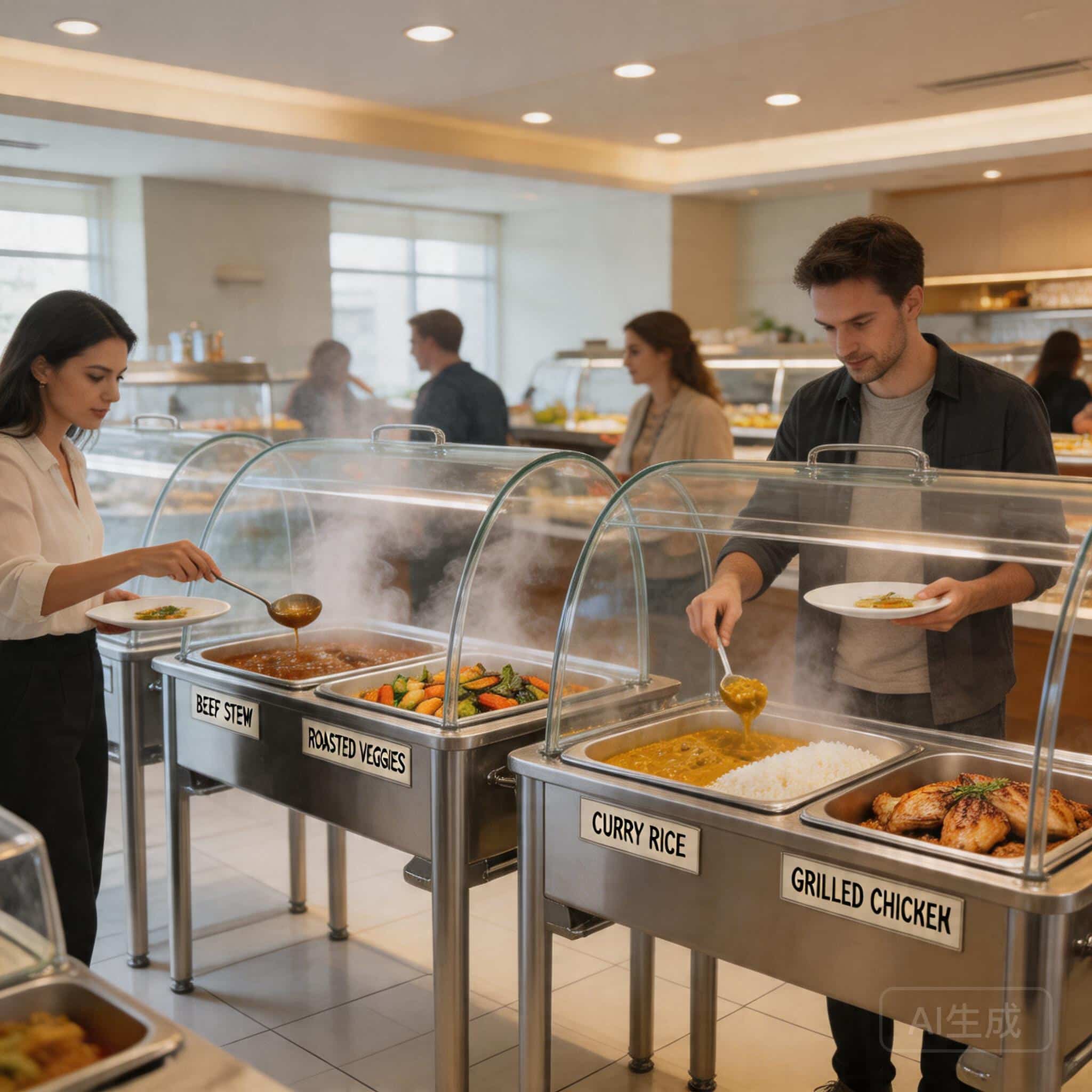
- Buffets: A floor standing warmer (e.g., display cabinet or steam table) keeps entrees, sides, and desserts hot during service. For example, a hotel buffet might use a multi-shelf Biengastro warmer to display 10+ pans of food, with double-sided glass to entice guests.
- Fine Dining/Catering: Holding stations for prepped dishes (e.g., roasted meats, sauces) ensure consistency before plating. A mobile floor warmer with casters (like Biengastro’s models) can be moved to the service area as needed.
2. Catering Companies
Caterers rely on floor warmers to hold large volumes of food (e.g., 100+ servings) during events. A steam table or display cabinet keeps dishes hot from kitchen to venue, reducing waste and ensuring quality. Biengastro’s durable SS304 units withstand transport and heavy use.
3. Hotels & Banquet Halls
- Banquets/Events: Floor warmers support large-scale service (e.g., weddings, conferences) with multi-shelf displays or steam tables. A double-sided display warmer can showcase appetizers or desserts, enhancing presentation.
- Room Service: A compact floor warmer in the service area keeps meals warm before delivery.
4. Bakeries & Cafes
Displaying freshly baked goods (croissants, muffins) or hot sandwiches requires a warmer that balances visibility and heat. A Biengastro display cabinet with 60–70°C heat keeps pastries warm without drying them out, while glass doors attract customers.
5. Delis, Grocery Stores, & Convenience Stores
- Hot Meals/Rotisserie: A rotating food warmer (or heat lamp model) keeps rotisserie chickens, hot dogs, or ready-to-eat meals at optimal temperature. For example, a deli might use a Biengastro rotating warmer to display 20+ chickens, with even heat distribution.
- Self-Serve Buffets: Open-shelf or glass-door warmers let customers serve themselves, reducing staff time.
6. Schools, Hospitals, & Corporate Cafeterias
Steam table warmers with multiple wells efficiently serve diverse menus (e.g., vegetarian, gluten-free options) in high-volume settings. Temperature control per well ensures each dish stays at the right heat.
Why Biengastro Works for These Use Cases:
Biengastro’s floor standing food warmers are designed with B2B needs in mind:
- Durability: SS304 steel withstands heavy use (e.g., catering transport, daily cleaning).
- Versatility: Adjustable 60–85°C heat suits pastries, entrees, or rotisserie items.
- Mobility: Casters on select models enable easy repositioning (ideal for caterers, hotels).
- Compliance: CE/RoHS/LFGB certification ensures food safety and regulatory compliance.
For example, a bakery using a Biengastro display cabinet can showcase 50+ pastries at 65°C, with double-sided glass to attract foot traffic—boosting sales and customer satisfaction.
H2: How to Choose the Right Floor Standing Food Warmer for Your Business
Selecting the perfect floor standing food warmer requires a strategic approach. Follow these steps to align the warmer with your operational goals, budget, and space:
1. Assess Your Volume & Menu
- Food Type: Are you serving delicate pastries (60–70°C) or hearty entrees (70–85°C)? Choose a warmer with a temperature range that matches (e.g., Biengastro’s 60–85°C suits most foods).
- Quantity: Calculate peak-hour volume (e.g., a buffet serving 200 guests needs a warmer with 10+ pan capacity).
2. Evaluate Space & Layout
- Floor Space: Measure the area (length, width, height) for the warmer. Ensure clearance for ventilation and access (e.g., 24″ behind the unit for maintenance).
- Traffic Flow: In self-serve areas, a double-sided display (like Biengastro’s) improves access. In kitchen prep areas, a closed cabinet with casters (for mobility) might be better.
3. Prioritize Features for Your Operation
- Display vs Function: A bakery needs display (glass doors, lighting), while a caterer needs mobility (casters) and large capacity.
- Cleaning & Maintenance: Opt for stainless steel (SS304) with removable parts (e.g., Biengastro’s easy-to-clean shelves) to reduce labor.
4. Budget & Total Cost of Ownership
- Upfront Cost: Compare models, but factor in durability (cheaper models may cost more long-term).
- Operating Costs: Energy-efficient models (e.g., insulated cabinets, auto-shutoff) save on electricity. Biengastro’s warmers balance cost and quality for B2B buyers.
5. Compliance & Safety
- Certifications: Ensure CE, RoHS, or LFGB compliance (Biengastro’s products meet these) to avoid fines and ensure food safety.
- Safety Features: Overheat protection, cool-touch exteriors, and sturdy bases (e.g., anti-tip design) reduce risks.
6. Testimonials & Support
- Reviews: Look for B2B testimonials (e.g., from restaurants or caterers) to gauge real-world performance.
- Warranty & Support: Biengastro offers customer support and warranties, crucial for commercial equipment.
Example: Choosing for a Buffet Restaurant
A buffet with 200 daily guests, serving 5 hot entrees, 3 sides, and 2 desserts:
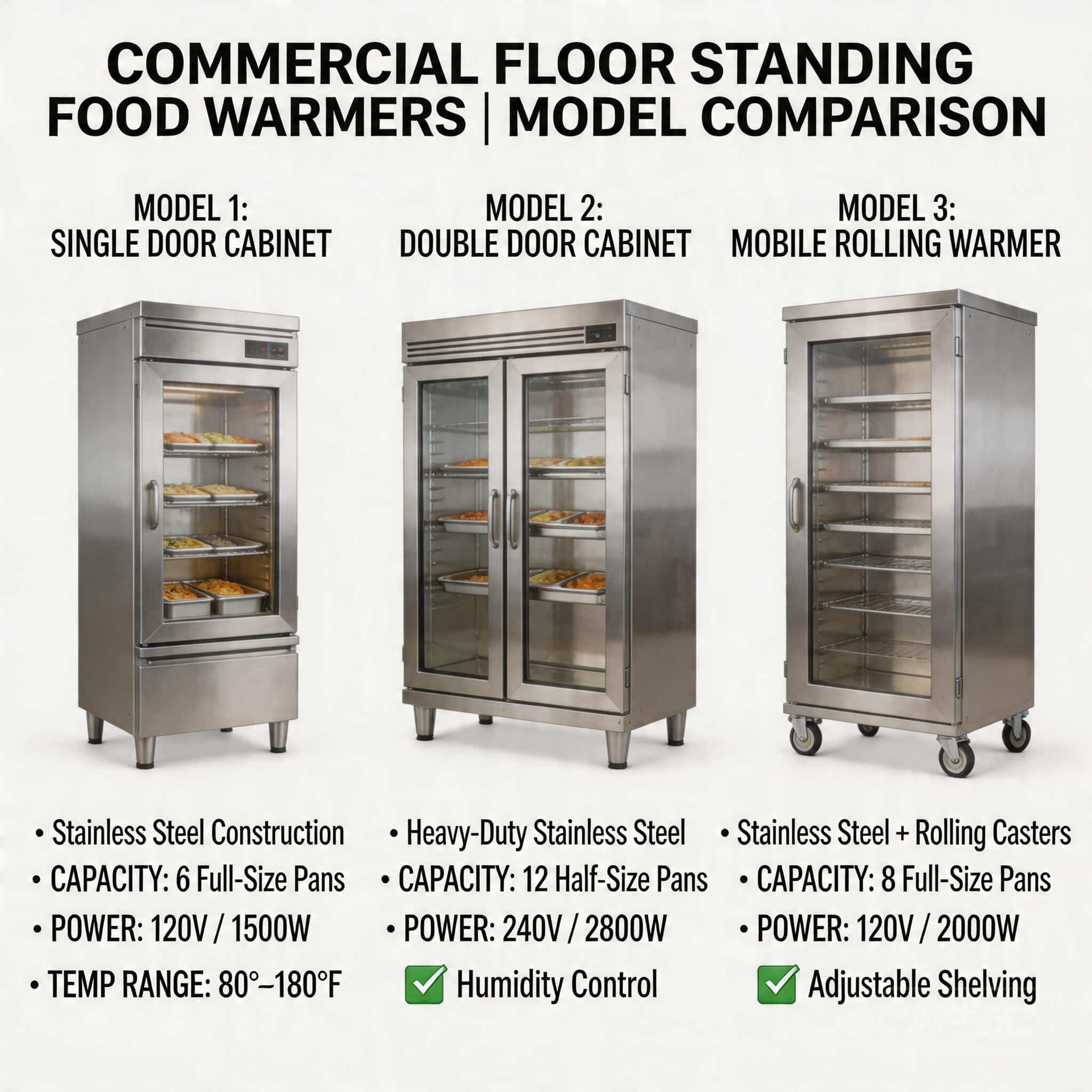
- Type: Multi-shelf display cabinet (e.g., Biengastro’s model with 12 pan capacity).
- Features: Double-sided glass (visibility), 60–85°C heat (versatility), SS304 steel (durability), casters (mobility for setup changes).
- Budget: Invest in a mid-to-high-end model (like Biengastro) for long-term reliability.
By following this framework, you’ll select a warmer that boosts efficiency, reduces waste, and enhances customer experience.
Ready to find the right floor standing food warmer for your business? Browse Biengastro’s commercial food warmers or contact our team for a personalized recommendation.
Conclusion
A floor standing food warmer is a strategic investment for any commercial foodservice operation—from restaurants and hotels to catering companies and delis. By understanding the types available (display cabinets, steam tables, rotating warmers), evaluating key features (temperature control, SS304 construction, certifications), and aligning with your specific use case (buffet, bakery, catering), you can select a model that delivers long-term value.
Biengastro’s floor standing food warmers are engineered for B2B buyers who demand reliability. With SS304 stainless steel, adjustable 60–85°C heat, double-sided glass displays, CE/RoHS/LFGB certification, and optional casters, our warmers excel across diverse commercial environments.
Take the next step: Shop our floor standing food warmers or contact our sales team for bulk pricing and custom solutions.
Frequently Asked Questions
What temperature should a floor standing food warmer maintain?
Food safety guidelines recommend keeping hot food at or above 60°C (140°F). Most commercial floor standing food warmers, including Biengastro’s models, offer an adjustable range of 60–85°C to suit different food types—lower temperatures for delicate pastries and bakery items, higher temperatures for dense meats and entrees.
What is the difference between a floor standing and a countertop food warmer?
Floor standing food warmers offer larger capacity (typically 10+ pan positions), better mobility with casters, and greater visual display impact compared to countertop models. Countertop warmers are more compact and suited for smaller operations or limited spaces. For high-volume settings like buffets or catering, floor standing models are the professional choice.
How do I clean a commercial floor standing food warmer?
Most floor standing food warmers feature removable shelves and trays for easy cleaning. For SS304 stainless steel models (like Biengastro’s), wipe down exterior and interior surfaces with a damp cloth and mild detergent after each use. Avoid abrasive cleaners that can scratch the steel. Remove and wash trays/pans separately according to manufacturer instructions.
Do floor standing food warmers need special installation?
Most commercial floor standing food warmers are plug-and-play (standard 220V connection) and don’t require special installation—simply place on a level surface, connect to power, and they’re ready to use. Models with casters can be positioned anywhere with power access. Always ensure adequate ventilation around the unit and a stable, level floor surface.
Are Biengastro floor standing food warmers suitable for outdoor catering?
Biengastro’s floor standing food warmers are designed for indoor commercial use. For outdoor catering events, they can be used in tent structures or covered areas where they’re protected from direct weather exposure. Their caster-equipped models make transport to event venues straightforward. For outdoor food holding, pair with our commercial heat lamp range for additional flexibility.
Related Articles:
- Commercial Food Display Warmer Buying Guide
- Commercial Bun Warmer Buying Guide
- Commercial Food Heat Lamp & Warming Lamp Guide
About Biengastro:
Biengastro is a leading manufacturer of commercial kitchen equipment. We specialize in high-quality food warmers, cooking equipment, and foodservice solutions for restaurants, hotels, and catering companies worldwide.
Last Updated: April 2026