


Gas vs Electric Griddle: Which is Better for Your Restaurant?
As a restaurant owner, hotel chef, or food service professional, choosing the right griddle is critical for your menu’s success—whether you’re flipping burgers, searing steaks, or crafting pancakes. The debate between gas vs electric griddle options often boils down to efficiency, cost, safety, and kitchen workflow. In this guide, we’ll break down the pros and cons of each, helping you decide which flat top grill aligns with your restaurant’s needs. Plus, we’ll highlight why Biengastro’s electric griddles are the smarter choice for most modern kitchens.
Understanding the Basics: Gas vs Electric Griddle
Before diving into comparisons, let’s clarify what sets gas and electric griddles apart.
Gas Griddles
Gas griddles (or “flat top grills”) use propane or natural gas to generate heat via open burners. They typically range from 20,000 to 60,000 BTU, offering rapid heat-up times and the ability to adjust flame intensity manually. Popular in high-volume diners and steakhouses, gas griddles excel at quick searing and are favored by chefs who prefer “instant heat” control.
Electric Griddles
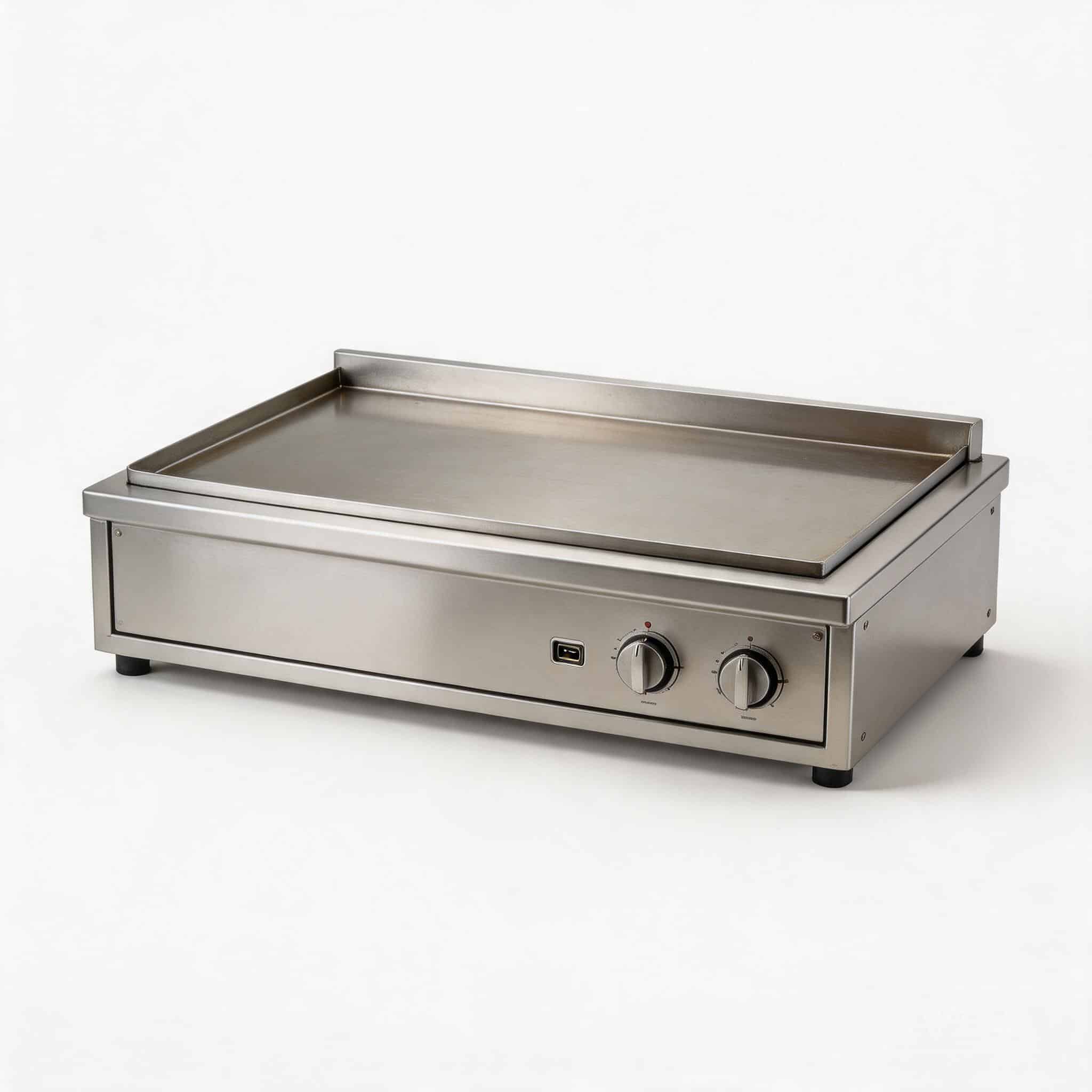
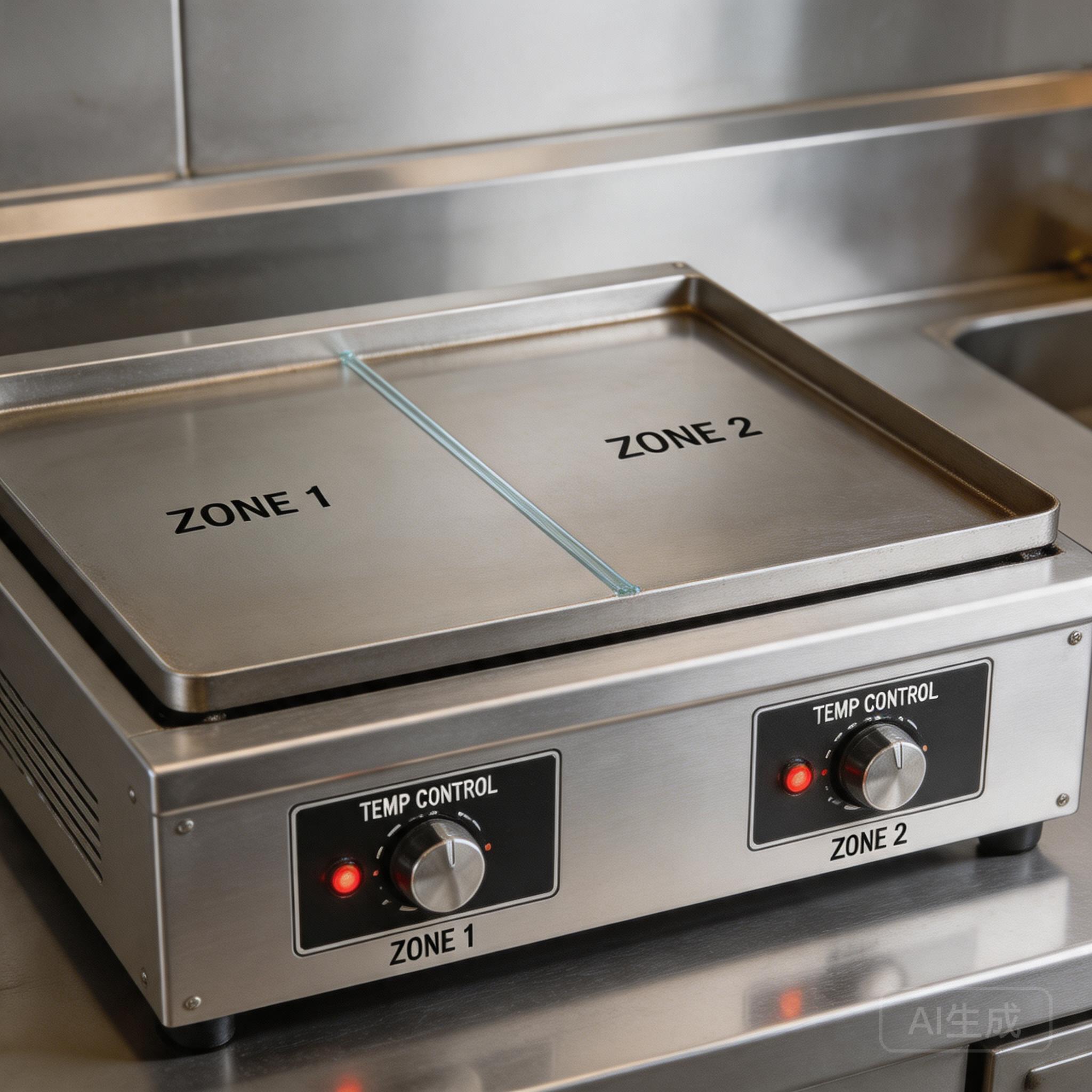
Electric griddles rely on heating elements (coils or infrared technology) to warm a flat cooking surface. Models like Biengastro’s BG320S (smooth plate), BG320G (grooved plate), and larger BG650S/BG980S use 1500W to 4500W of power, with adjustable temperature controls (50–300°C) and single/dual/triple zone options. Designed for countertop use, they offer consistent heat distribution and plug-and-play convenience.
Biengastro’s electric griddles are built with SS304 stainless steel (durable, corrosion-resistant) and certified to CE, RoHS, and LFGB standards—ensuring safety, food-grade compliance, and longevity.
Heat Distribution and Temperature Control
Heat consistency is make-or-break for food quality (e.g., evenly cooked pancakes or charred burgers without hotspots).
Gas Griddles
Gas griddles rely on open flames beneath the cooking surface, which can create uneven heat zones (hotter near burners, cooler at the edges). While skilled chefs can work around this, it requires constant monitoring to avoid overcooking or undercooking.
Electric Griddles
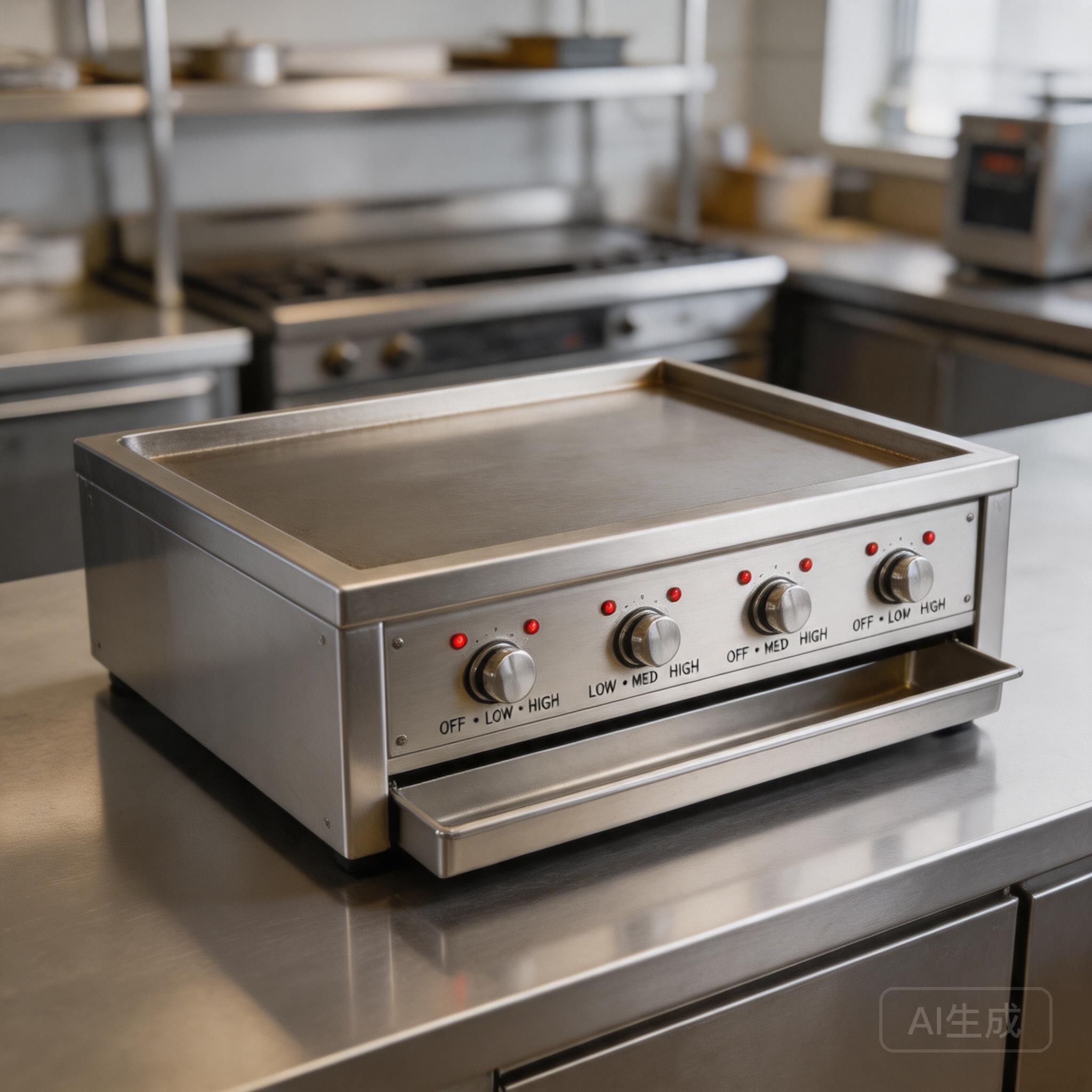
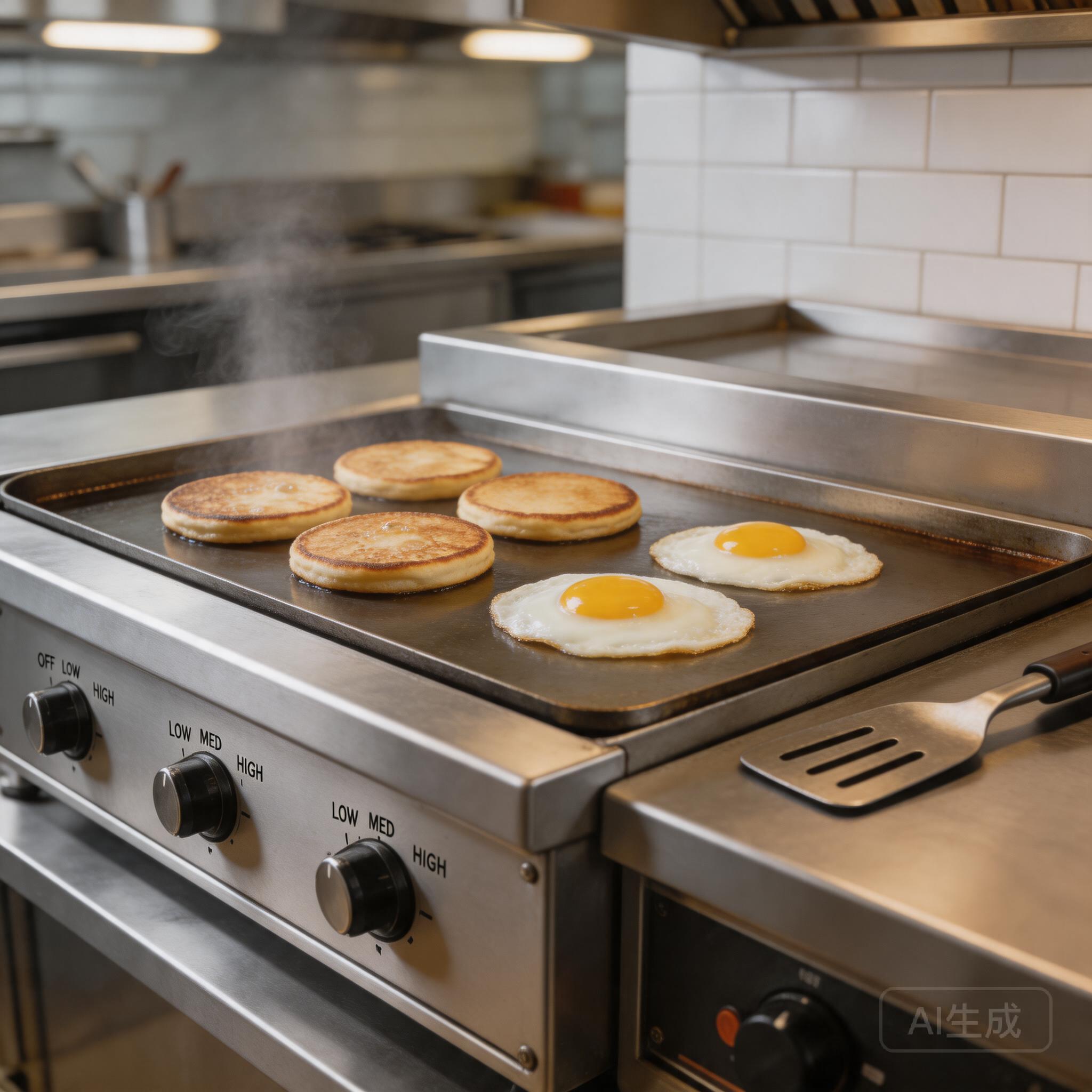
Electric griddles, especially Biengastro’s models, use embedded heating elements to deliver uniform heat across the entire surface. The adjustable 50–300°C range (with precise digital or knob controls) lets you tailor heat for delicate crepes (low temp) or searing steaks (high temp). Multi-zone models (e.g., dual-zone BG650S) even let you cook different items at once (e.g., eggs at 150°C and burgers at 250°C) without flavor transfer.
For bakeries or cafes prioritizing consistency (e.g., perfect pancakes), electric griddles eliminate the guesswork.
Installation, Safety, and Operating Costs
Your kitchen’s layout, budget, and safety priorities will heavily influence this decision.
Gas Griddles
- Installation: Requires a dedicated gas line, ventilation system (to remove combustion fumes), and professional installation—adding $1,000+ to upfront costs.
- Safety: Open flames pose fire risks (grease fires, gas leaks) and require strict maintenance (e.g., checking burners, valves).
- Operating Costs: Gas prices fluctuate, but fuel efficiency can be lower than electric (especially with uneven heat leading to wasted energy).
Electric Griddles
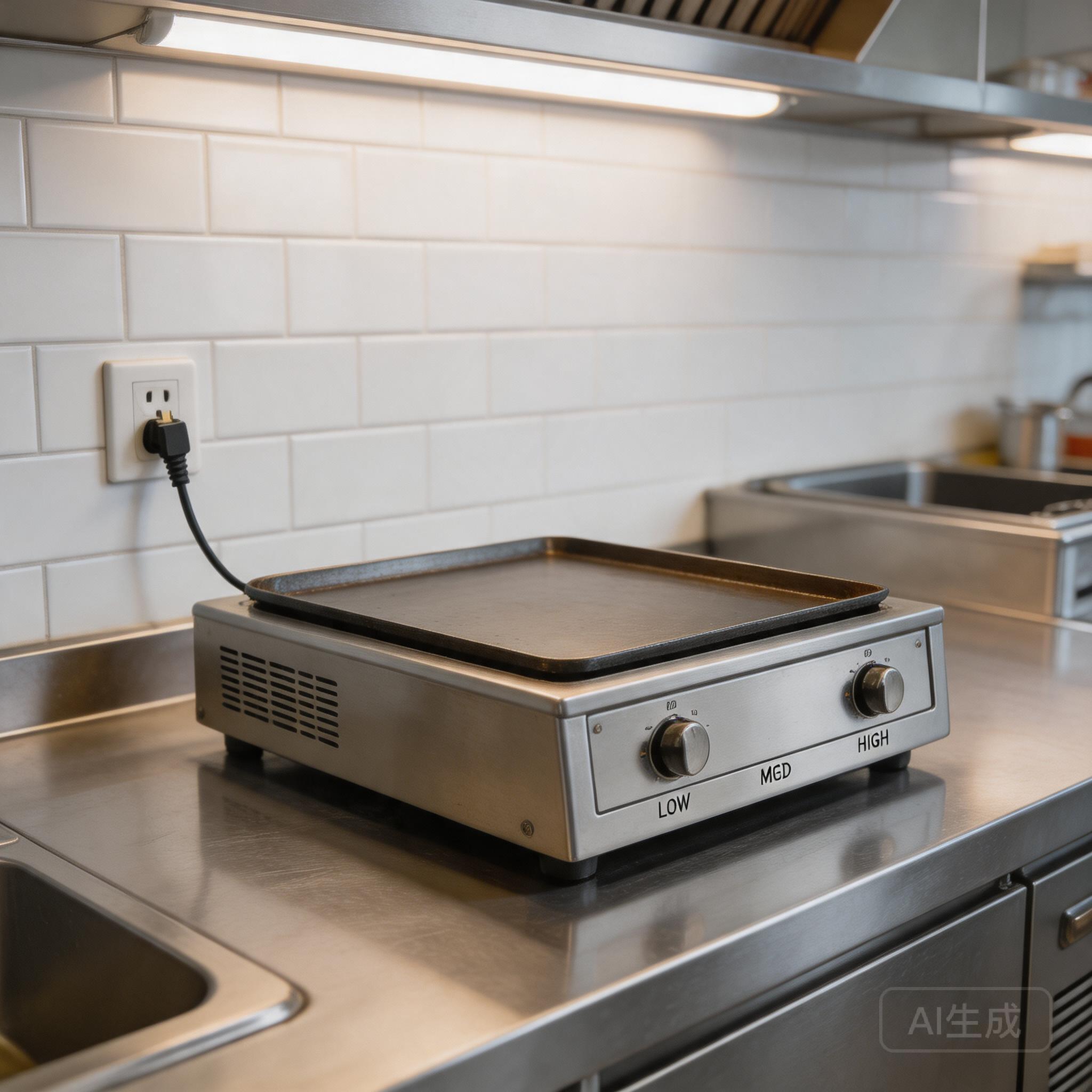
- Installation: Plug into a standard outlet (no gas line or ventilation needed, unless cooking generates heavy smoke). Biengastro’s countertop models are “plug-and-play,” slashing installation time and costs.
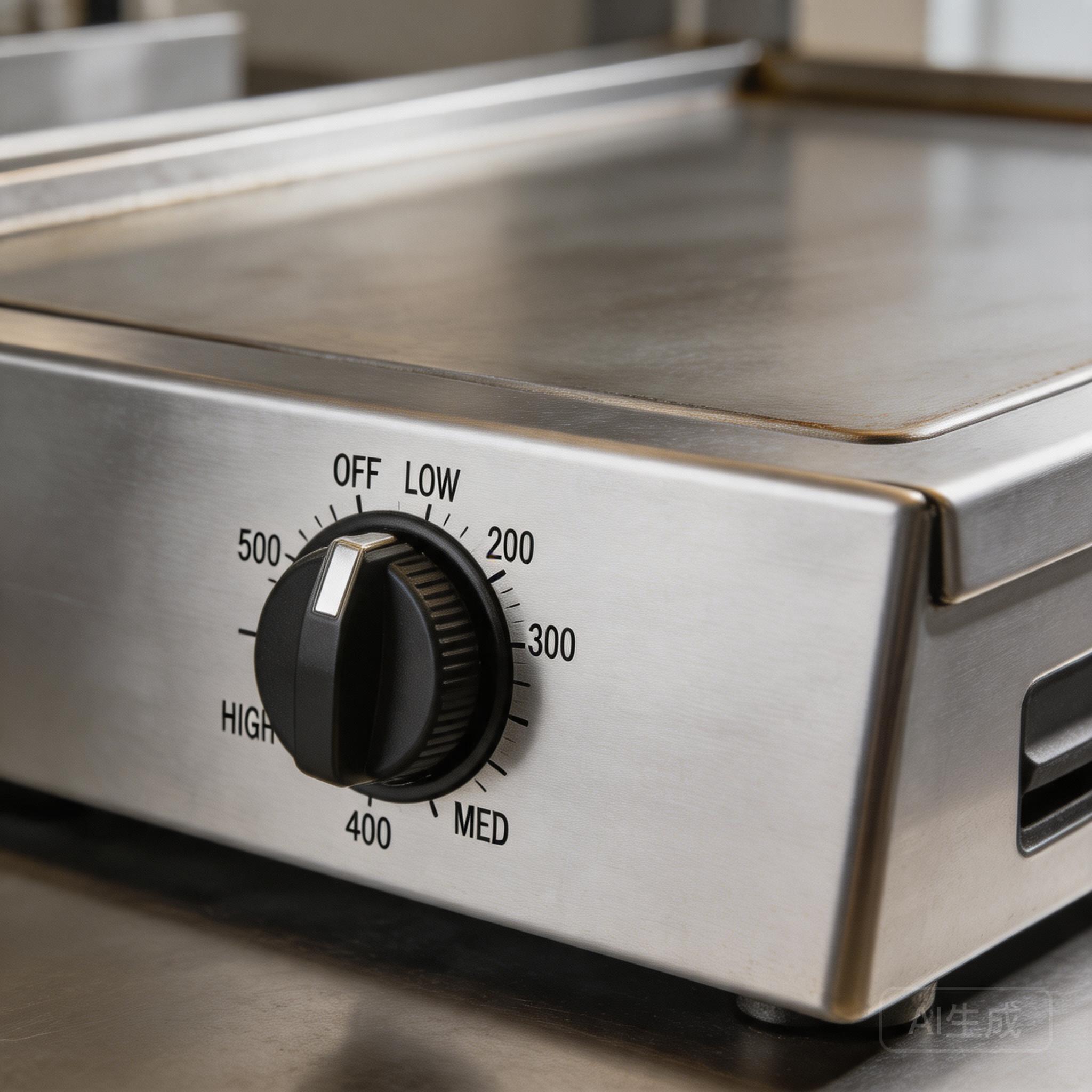
- Safety: No open flames, reduced fire risk, and built-in safety features (e.g., overheat protection in Biengastro models).
- Operating Costs: Electricity is often cheaper and more stable than gas in the long run. Plus, precise temperature control reduces energy waste (e.g., no need to keep a gas burner on low).
Biengastro’s electric griddles also feature SS304 stainless steel bodies—resistant to corrosion and easy to clean, lowering maintenance costs over time.
Cleaning, Maintenance, and Hygiene
A griddle’s ease of cleaning directly impacts kitchen hygiene and efficiency.
Gas Griddles
Grease and food debris fall into burners and gas lines, creating fire hazards and requiring disassembly to clean (e.g., removing grates, scrubbing burners). The open flame also increases the risk of grease fires.
Electric Griddles
Biengastro’s electric griddles feature smooth (BG320S) or grooved (BG320G) cooking surfaces made from food-grade stainless steel (LFGB certified). Spills and grease stay on the surface (or drain into a removable tray), making wipe-downs quick and safe. No open flames mean no hidden grease traps, reducing fire risks and simplifying deep cleans.
For bakeries or health-conscious kitchens (e.g., gluten-free cafes), electric griddles’ hygiene-focused design (easy-to-sanitize surfaces, no cross-contamination from gas components) is a game-changer.
Which Griddle is Right for Your Restaurant? (Product Recommendation)
To decide, weigh these factors:
Menu & Volume: High-volume burger joints with constant searing may lean toward gas (for speed), but electric (e.g., Biengastro’s BG980S triple-zone) can handle 200+ burgers/hour with consistent heat. For specialty items (e.g., artisanal pancakes), electric’s precision wins.
Kitchen Layout: Gas needs gas lines and ventilation; electric works in any space (even small cafes) with an outlet.
Budget: Gas has higher upfront costs (installation, ventilation), while electric (e.g., Biengastro’s $500–$1,500 range) offers lower TCO (total cost of ownership) via reduced maintenance and energy efficiency.
Safety & Hygiene: Electric eliminates open flames and simplifies cleaning—ideal for schools, hospitals, or bakeries.
Why Electric Griddles (and Biengastro) Are the Smart Choice for Most Restaurants
For 90% of modern kitchens, electric griddles outperform gas in:
- Precision: Consistent heat for flawless menu execution.
- Safety: No open flames, reduced fire risks.
- Cost-Efficiency: Lower installation, energy, and maintenance costs.
- Hygiene: Easy-to-clean, food-grade stainless steel.
Biengastro’s electric griddles (e.g., BG320S, BG320G) are tailor-made for this: CE/RoHS/LFGB certified, 20+ years of manufacturing expertise, and exported to 60+ countries.
Explore Biengastro’s electric griddle range here or shop all models here.
Conclusion: Choose Efficiency, Safety, and Precision
The “gas vs electric griddle” debate ends with your kitchen’s unique needs. But for most restaurants—especially those prioritizing consistency, safety, and cost-efficiency—electric griddles (like Biengastro’s) are the clear winner.
Ready to upgrade your kitchen? Browse Biengastro’s electric griddle collection here, or contact us for personalized recommendations.
FAQ: Gas vs Electric Griddle
Which is more energy-efficient?
Electric griddles are more efficient in heat distribution (less wasted energy), while gas griddles lose heat to the air. Over time, electric’s lower energy waste (plus stable electricity prices) reduces operating costs.
How long do electric griddles last?
With proper care, Biengastro’s SS304 stainless steel electric griddles last 5–10 years (or longer). Heating elements are replaceable, but durable construction minimizes repairs.
Can electric griddles handle high-volume cooking?
Yes—Biengastro’s BG980S (4500W, triple-zone) can cook 250+ meals/hour with consistent heat, matching gas’s speed without hotspots.
Are gas griddles better for outdoor use?
Gas is popular for outdoor events (e.g., food trucks) due to portability (propane tanks), but electric models (with weatherproofing) work too—though gas offers quicker heat-up in cold environments.
Related Articles
- Griddle Buying Guide: 5 Factors to Choose the Best Commercial Griddle
- Commercial Cooking Equipment: Trends for 2024
- How to Maintain Your Commercial Griddle for Longevity
Disclaimer: Prices and specifications subject to change. Contact Biengastro for the latest product details.