


How to Clean and Maintain Your Commercial Deep Fryer
Running a busy restaurant, hotel, or bakery means your commercial deep fryer works overtime to serve crispy fries, golden chicken, or flaky pastries. But without proper how to clean commercial fryer practices, you risk uneven cooking, safety hazards, and costly breakdowns. At Biengastro, with 20+ years crafting CE/UL-certified commercial kitchen equipment from premium materials like SS304 and S.S201, we know a well-maintained fryer is the backbone of efficient food service. In this guide, we’ll share expert tips to keep your fryer spotless, extend its lifespan, and ensure every batch is perfect.
Why Regular Commercial Fryer Cleaning & Maintenance Matters
Neglecting your fryer’s upkeep isn’t just about aesthetics—it’s a recipe for disaster (or at least, disappointing food). Here’s why it matters:
-
- Safety: Grease buildup increases fire risks and slip hazards. A clean fryer (like Biengastro’s SS304-constructed BF10SC) prevents dangerous flare-ups.
- Efficiency: Buildup on heating elements or tank walls reduces heat transfer, forcing your fryer to work harder (and use more energy).
- Food Quality: Old oil or residue creates off-flavors, uneven browning, or soggy results. A clean fryer ensures consistent, restaurant-quality dishes.
- Longevity: Proper care extends your fryer’s lifespan, saving you from premature replacements. Biengastro’s S.S201 and SS304 fryers (e.g., BF4SV) are built to last—but only with regular maintenance.
Daily Cleaning Routine for Your Commercial Deep Fryer
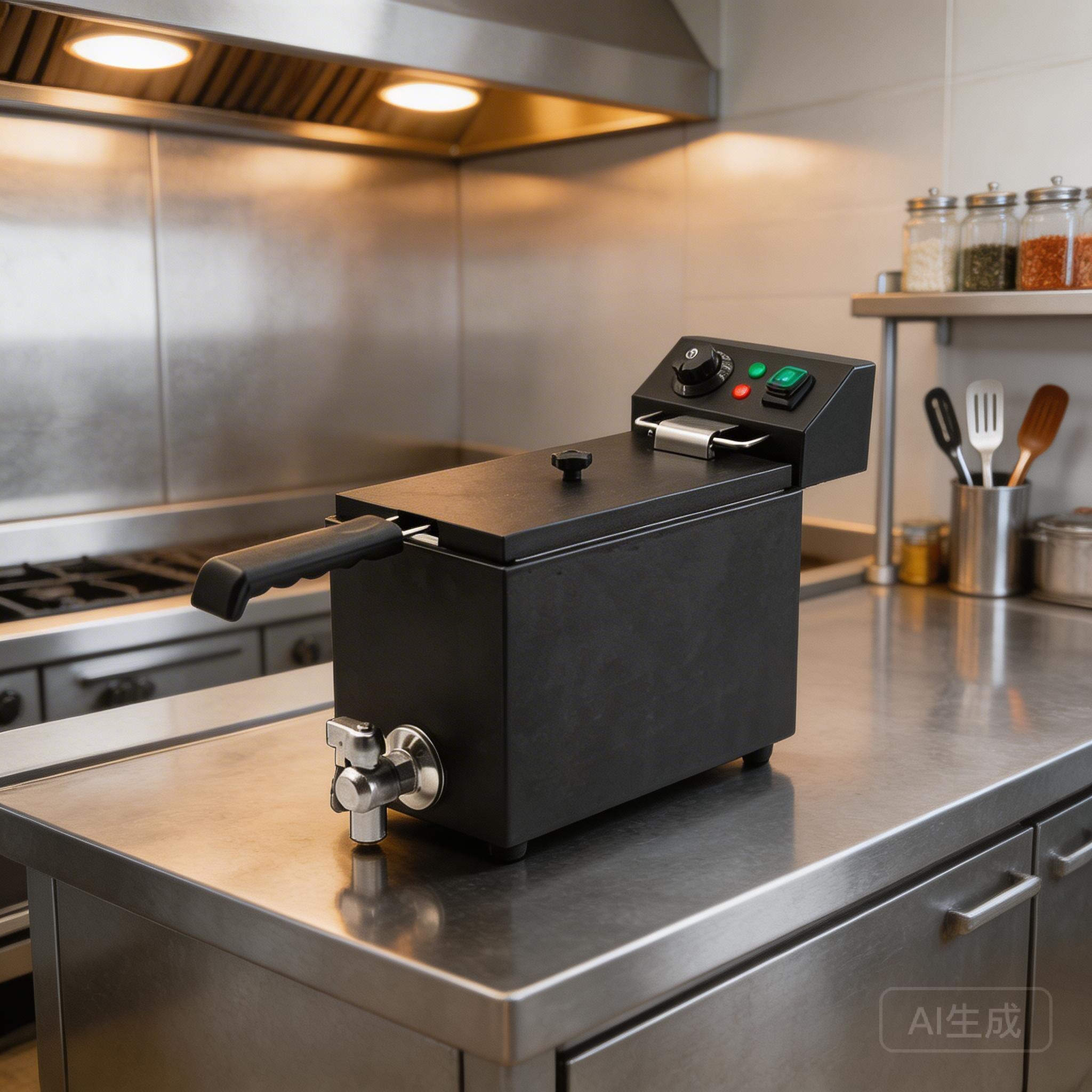
A quick daily clean prevents grease from hardening (and makes weekly deep cleans easier). Follow these steps:
-
- Cool Down & Unplug: Let the fryer cool to 150°F (65°C) or lower before cleaning (safety first!).
- Skim Debris: Use a fine-mesh skimmer to remove food particles from the oil surface.
- Wipe Exterior: Clean the fryer’s exterior with a damp, soapy cloth to remove splatters.
- Clean Baskets & Racks: Wash fryer baskets in warm, soapy water. For stubborn grease, soak in a mild degreaser.
- Wipe Tank Interior: Use a soft cloth or sponge to clean the tank’s interior (avoid abrasive tools that scratch surfaces like Biengastro’s S.S201 or SS304 tanks).
Pro Tip: Biengastro’s BF4SV electric fryer features a 4L capacity with smooth S.S201 walls, making daily wiping a breeze.
Weekly Deep Cleaning & Oil Maintenance
Weekly deep cleaning tackles stubborn grease and ensures oil quality. Here’s how:
Step 1: Drain Old Oil
-
- Turn off the fryer and let oil cool to 120°F (49°C) (hot oil causes burns!).
- Use the drain valve (if your fryer has one) or carefully pour oil into a heat-resistant container.
Step 2: Disassemble & Soak
-
- Remove baskets, heating elements (if removable), and filters.
- Soak parts in a food-safe degreaser or warm, soapy water for 15–20 minutes.
Step 3: Scrub & Rinse
-
- Use a soft brush to scrub the tank interior, heating elements, and baskets.
- Rinse all parts thoroughly to remove soap residue.
Step 4: Refill with Fresh Oil
-
- Choose a high-smoke-point oil (e.g., canola, peanut, or vegetable oil).
- Fill to the recommended level (check your fryer’s manual—overfilling causes spills; underfilling damages elements).
Pro Tip: For high-volume kitchens, Biengastro’s BF4DV dual-tank fryer (4+4L capacity) lets you use separate oils for different foods, reducing cross-contamination and extending oil life.
Monthly & Quarterly Maintenance Checks
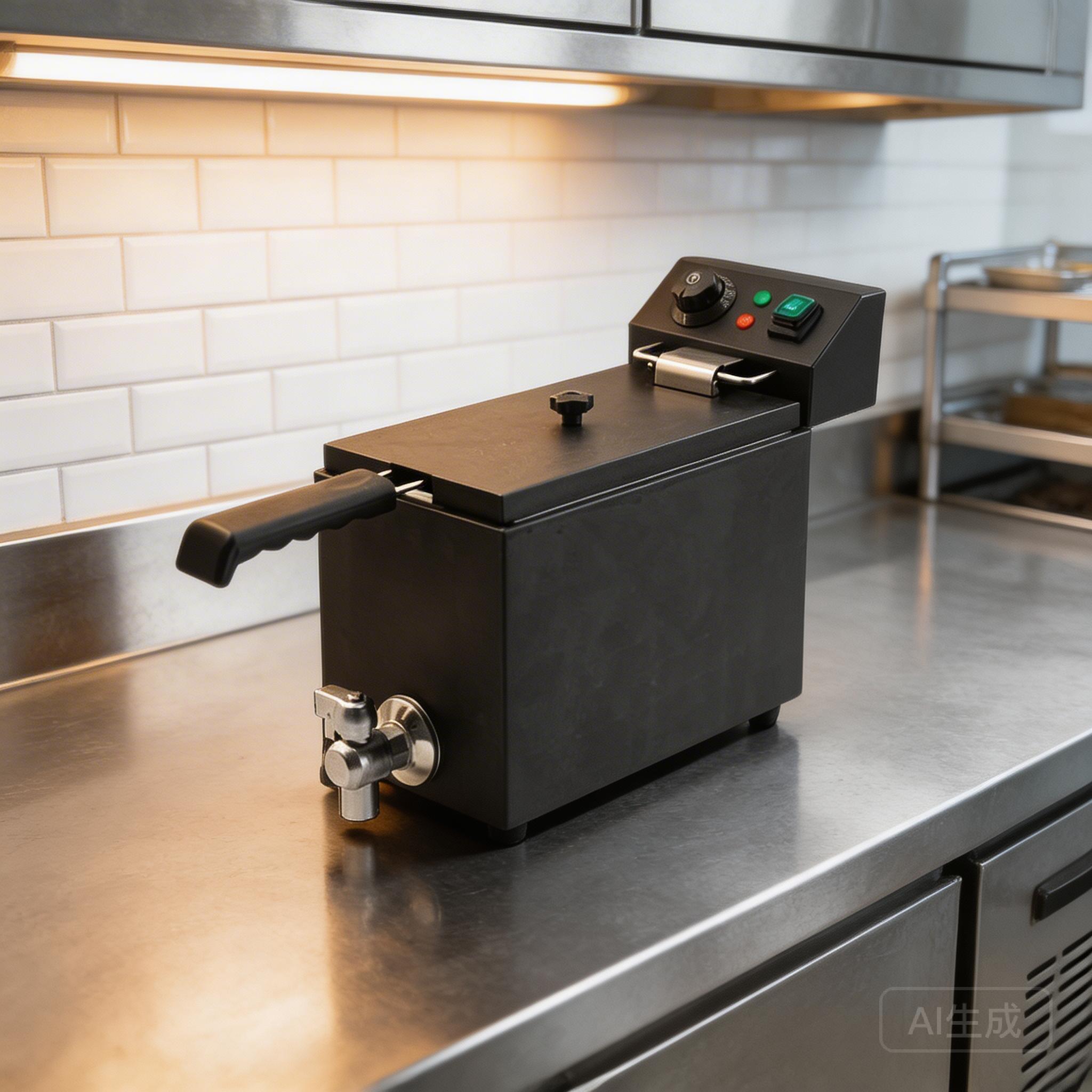
Prevent major issues with these checks:
Monthly:
-
- Inspect Heating Elements: Look for damage, corrosion, or buildup. Clean gently with a soft brush.
- Check Gaskets & Seals: Replace worn gaskets to prevent oil leaks (critical for safety and efficiency).
- Test Temperature Controls: Use a thermometer to verify your fryer reaches the set temperature.
Quarterly:
-
- Clean Ventilation Systems: Clear grease from vents and filters to improve airflow (reduces fire risks).
- Lubricate Moving Parts: If your fryer has hinges or valves, apply food-safe lubricant.
Pro Tip: Biengastro’s BF13SV electric fryer (9000W, 13L capacity) features robust heating elements and easy-access components, simplifying quarterly maintenance.
Tips for Extending Your Fryer’s Lifespan
Beyond cleaning, these habits protect your investment:
-
- Filter Oil Daily: Use a fine-mesh filter to remove particles (extends oil life and improves food quality).
- Avoid Overloading Baskets: Overcrowding reduces oil circulation, causing uneven cooking and strain on the fryer.
- Train Staff: Ensure your team follows cleaning protocols (e.g., wiping spills immediately to prevent grease buildup).
- Invest in Quality Equipment: Choose a fryer with durable materials (like Biengastro’s SS304 BF10SC) and easy-to-clean designs.
Recommended Biengastro Fryers for Easy Maintenance
When choosing a commercial fryer, prioritize models that simplify cleaning and upkeep. Here are our top picks:
-
- BF4SV Electric Fryer
– 2000W, 4L capacity, S.S201 construction
– Compact design, removable baskets, and smooth interior walls for quick daily cleaning.
-
- BF4DV Dual-Tank Electric Fryer
– 2000+2000W, 4+4L capacity
– Separate tanks for different foods, reducing oil contamination and simplifying maintenance.
-
- BF10SC Electric Fryer
– 3000W, 10L capacity, SS304 material
– Corrosion-resistant, large capacity, and easy-drain system for high-volume operations.
Explore our full range of electric fryers or gas fryers to find the perfect fit for your kitchen.
FAQ: Commercial Fryer Cleaning & Maintenance
How often should I change fryer oil?
For heavy use (multiple daily batches), change oil weekly. For moderate use, every 2–3 weeks. Biengastro’s dual-tank models (e.g., BF4DV) let you rotate oil usage, extending time between changes.
Can I use abrasive cleaners on my fryer?
No—abrasive cleaners damage surfaces (like Biengastro’s SS304 or S.S201 tanks). Use a mild, food-safe degreaser and soft brushes.
My fryer isn’t heating evenly—what’s wrong?
Buildup on heating elements or a faulty thermostat causes this. Regular cleaning (per our guide) prevents buildup. For reliable heating, choose Biengastro’s BF13SV with robust 9000W elements.
How do I dispose of used fryer oil?
Let oil cool, strain it, and store in sealed containers. Many areas offer grease recycling programs. Biengastro’s fryers (e.g., BF10SC) have easy-drain systems for mess-free disposal.
What’s the best fryer for a small bakery?
Biengastro’s BF4SV (4L, 2000W) is compact, efficient, and easy to clean—ideal for small batches of donuts or pastries.
Related Articles
Conclusion: Keep Your Fryer (and Business) Thriving
A clean, well-maintained commercial fryer isn’t just about compliance—it’s about serving delicious food, protecting your staff, and maximizing profits. With Biengastro’s 20+ years of expertise and our range of durable, easy-to-clean fryers, you’re set for success.
Ready to upgrade your fryer or need maintenance advice? Browse our commercial fryer collection or contact our team for personalized support. Here’s to crispy, perfect batches—every time!
—
This article is part of Biengastro’s “Equipment Usage & Maintenance” series, providing expert guidance for food service professionals. © 2024 Biengastro. All rights reserved.