


Commercial Electric Grill Buying Guide: Flat Top vs Ribbed Plate for Restaurants
Whether you’re running a busy burger joint, a hotel breakfast station, or a fast-casual restaurant, a commercial electric grill is one of the most versatile pieces of equipment in your kitchen. But with so many plate types, sizes, and wattage options available, choosing the right one can be overwhelming.
This guide walks you through everything you need to know — from the difference between flat and ribbed plates, to wattage requirements, cleaning tips, and the best models for different business types.
What Is a Commercial Electric Grill?
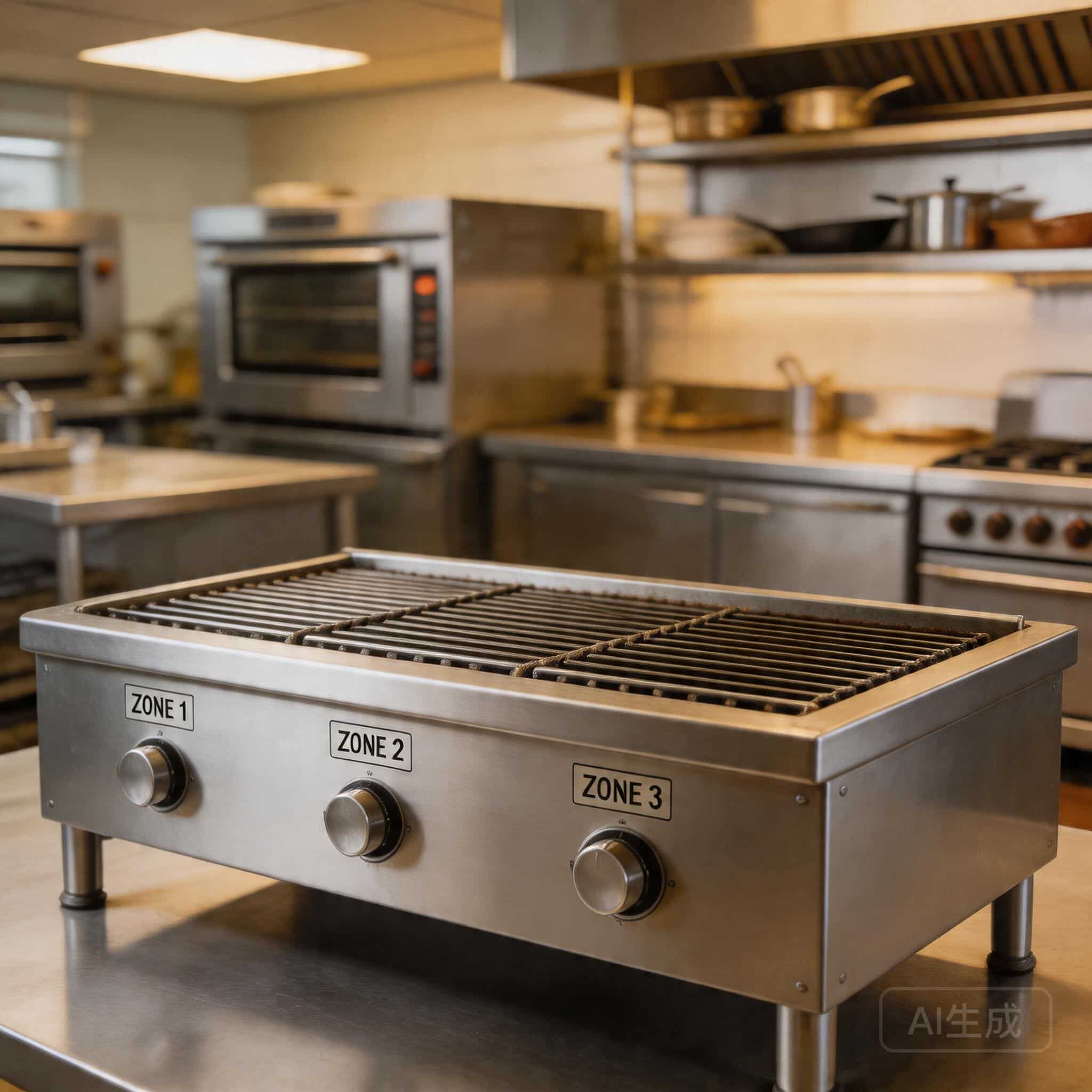
A commercial electric grill is an open-top cooking surface powered by electricity, designed for high-volume foodservice operations. Unlike a contact grill (which closes over the food) or a griddle (which uses a flat, smooth heating plate), an electric grill features a raised cooking surface — either flat or ribbed — that directly sears food from below.
Electric grills are ideal for cooking:
- Burgers, steaks, and chicken breasts
- Sausages, kebabs, and seafood
- Vegetables, paninis (open-face), and breakfast items
They heat up fast, maintain consistent temperatures, and are much easier to control than gas models — making them a popular choice for modern commercial kitchens.
Flat Top vs Ribbed Plate: Which One Do You Need?
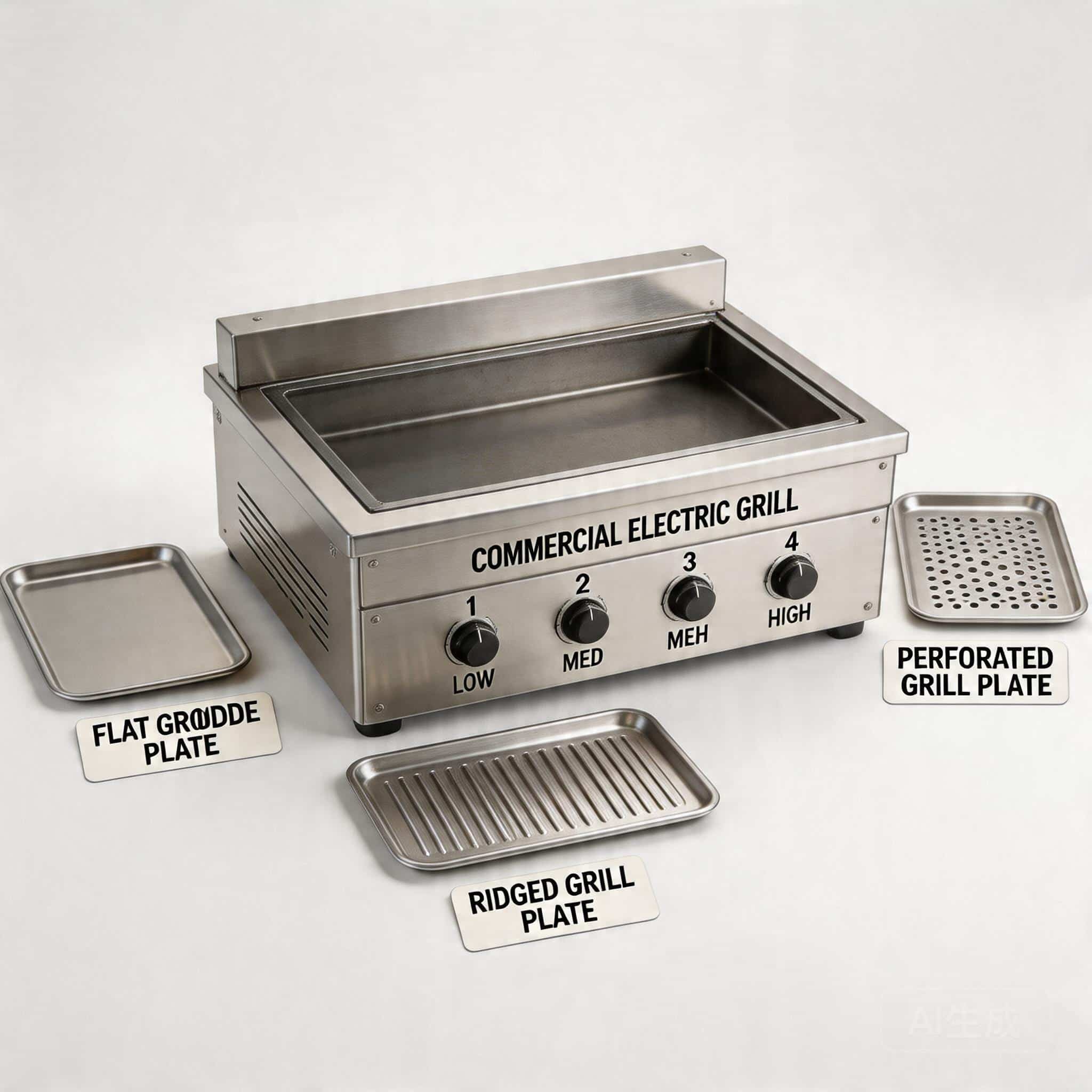
The most important decision when buying a commercial electric grill is choosing between a flat top plate and a ribbed plate — or a combination of both.
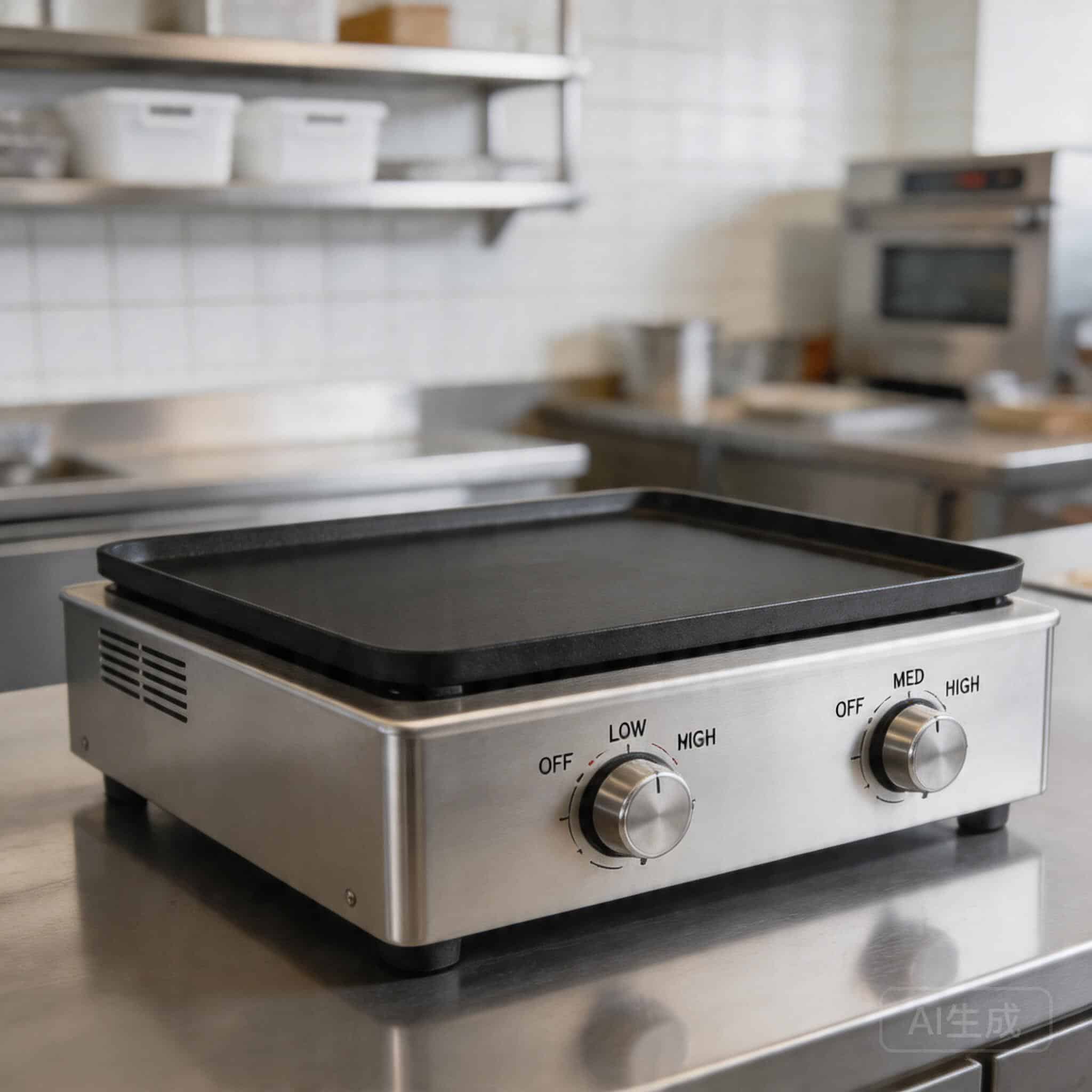
Flat Top (Smooth) Plate
A flat top plate provides full surface contact with the food. This means:
- Faster, more even cooking for delicate items like fish fillets, eggs, and thin pancakes
- Better fat retention — juices stay on the plate surface
- Easier to clean — no ridges to trap food debris
Best for: breakfast items, fish, delicate proteins, and high-volume batch cooking.
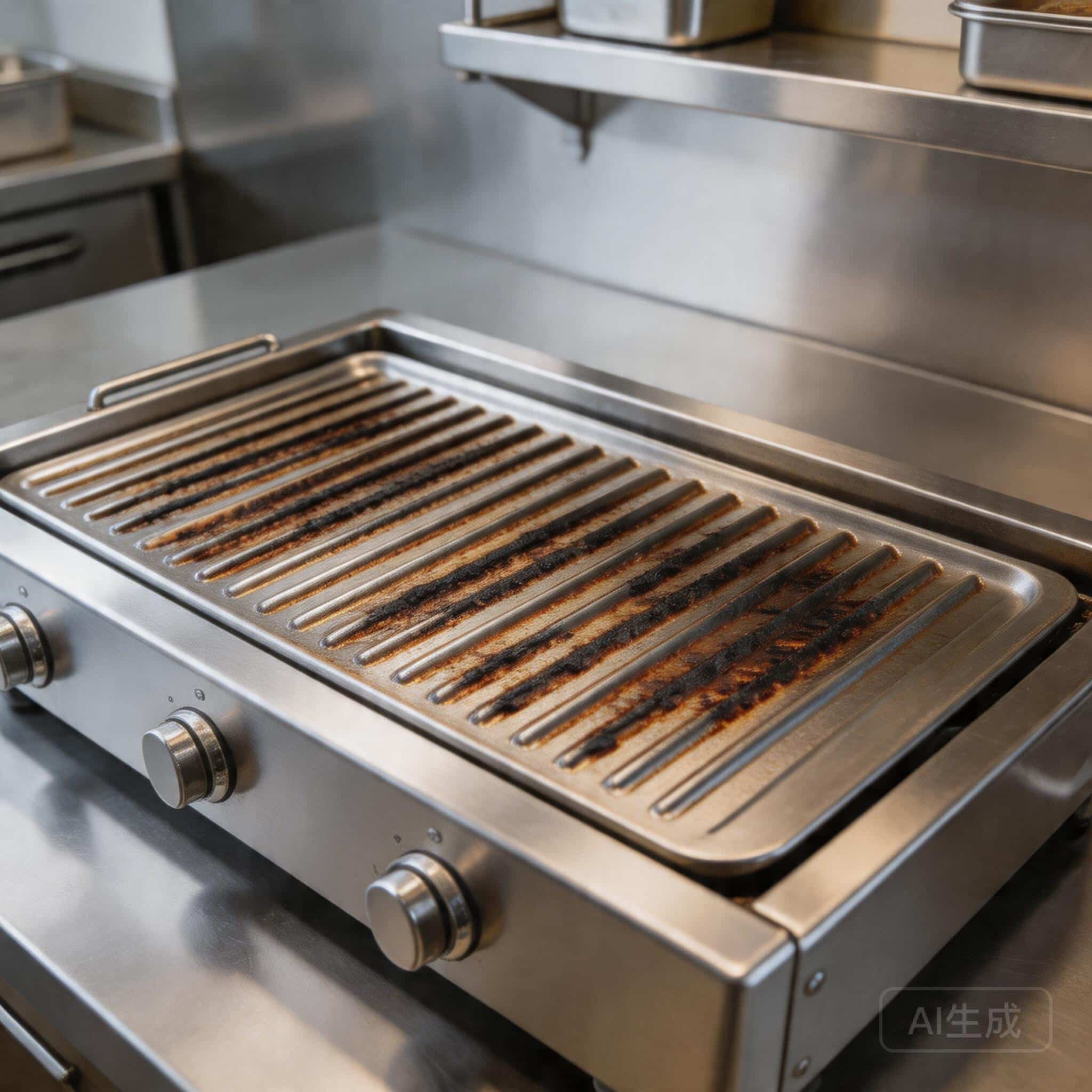
Ribbed (Grooved) Plate
A ribbed plate has raised ridges that create grill marks on the food. This means:
- Attractive sear marks that signal freshness and quality
- Fat drainage — grease runs off into the drip tray
- Drier, crispier texture on burgers, steaks, and sausages
Best for: burgers, steaks, sausages, chicken, and any protein where presentation matters.
Dual-Zone Plates
Many commercial electric grills feature a combination plate — flat on one half, ribbed on the other. This gives you maximum flexibility in a single unit, allowing your team to cook different items simultaneously without switching equipment.
Key Buying Factors for Commercial Electric Grills
1. Wattage and Heating Speed
Commercial electric grills typically range from 1500W to 4500W. Higher wattage means:
- Faster preheat times (critical during rush hours)
- Better temperature recovery after loading cold food
- Ability to handle thicker cuts without temperature drop
For a small café or food truck, 1500W–2500W is sufficient. For a high-volume restaurant or hotel kitchen, look for 3000W–4500W.
2. Cooking Surface Size
Grill plates are measured by surface area. Common sizes include:
- Small (30cm × 30cm): ideal for light-duty use, 2–4 covers
- Medium (40cm × 40cm): suits most cafés and small restaurants
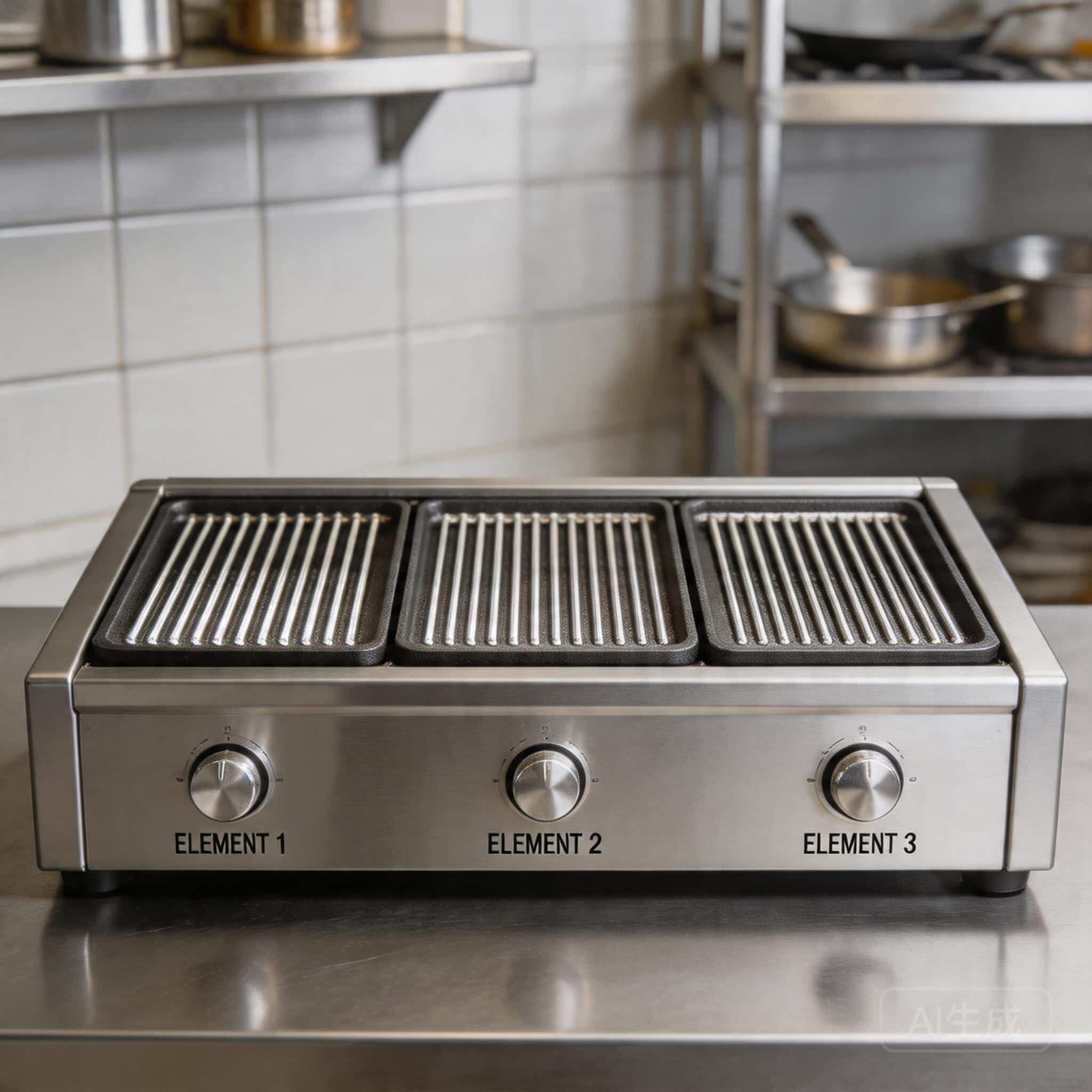
- Large / Three-Element (60cm+ wide): high-volume cooking for peak service periods
The three-element models with wider cooking areas allow cooking multiple food items simultaneously — essential for busy kitchens.
Construction and Materials: What to Look For
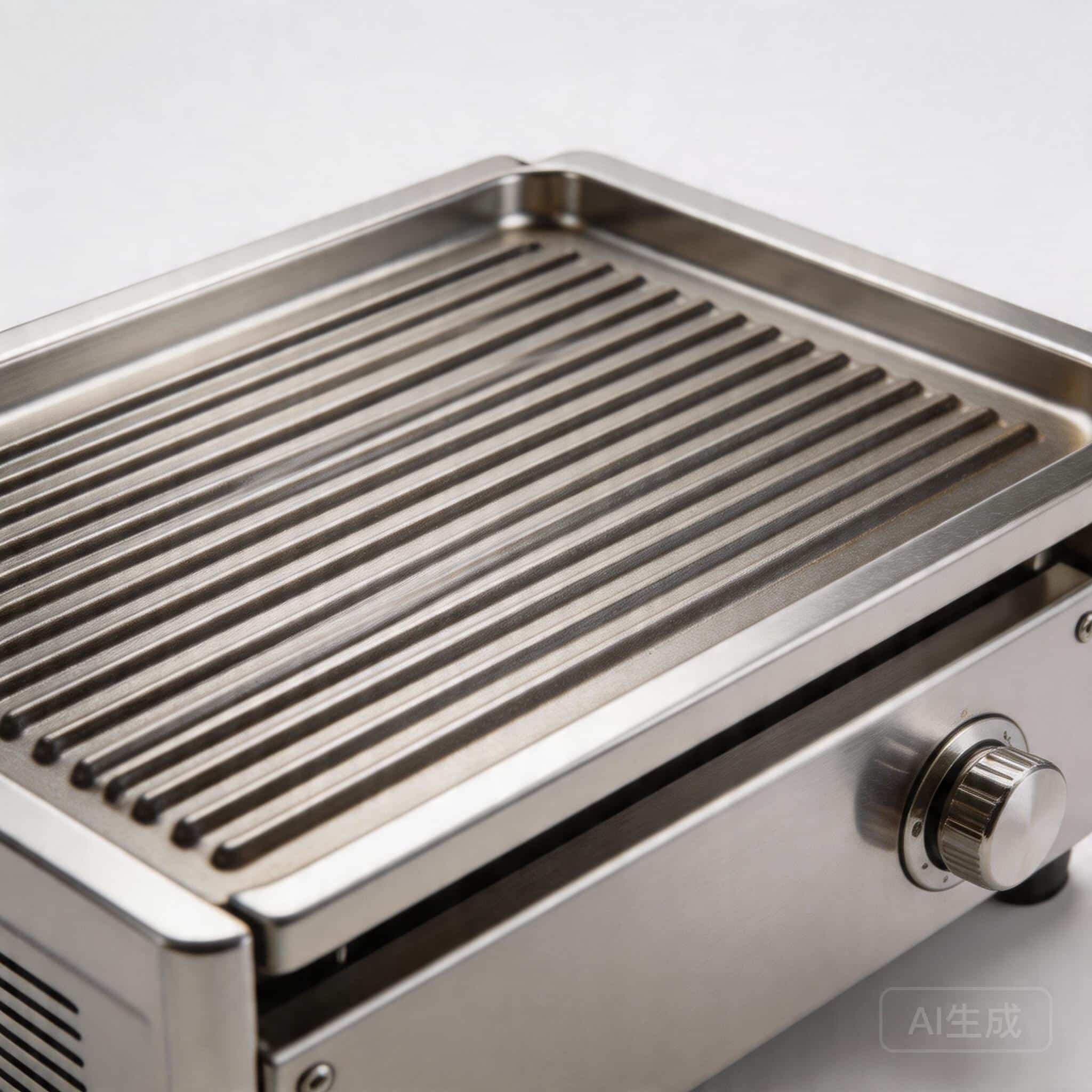
Stainless Steel Body
Look for SS304 stainless steel in the body and drip tray. SS304 is food-safe, corrosion-resistant, and easier to sanitize than lower-grade alternatives.
Cast Iron or Chrome Plates
Most commercial electric grills use cast iron cooking plates, which:
- Retain heat exceptionally well
- Create consistent, even searing
- Become more seasoned and non-stick over time
Chrome-plated variants are available for operations requiring easier cleaning and lighter maintenance — though they need careful handling to avoid scratching.
Adjustable Temperature Control
A quality commercial electric grill should offer a temperature range of 50°C–300°C, allowing you to cook everything from delicate fish to seared steaks. Look for thermostatic controls (dial or digital) that maintain accurate, consistent heat.
Safety Features
- Cool-touch handles to prevent burns
- Overheating protection with automatic cutoff
- Non-slip feet for stable counter placement
- CE certification for electrical safety compliance
How to Size Your Commercial Electric Grill
Use this quick sizing guide based on your daily cover count:
| Daily Covers | Recommended Size | Wattage |
| Under 50 | Single-element, 30–35cm | 1500W–2000W |
| 50–150 | Single-element, 40cm | 2000W–3000W |
| 150–300 | Double-element or large flat | 3000W–4000W |
| 300+ | Three-element or multi-unit | 4000W–4500W+ |
For operations with diverse menus, a combination flat/ribbed plate gives the most cooking flexibility per square inch of kitchen counter space.
Cleaning and Maintenance Tips
A commercial electric grill is only as good as its maintenance routine. Here’s how to keep yours performing at its best:
After each service:
1. Turn temperature to low and scrape the plate with a grill scraper while still warm
2. Wipe down with a damp cloth or grill cleaning pad
3. Empty and clean the drip tray
4. Allow to cool fully before wiping with a light coat of food-safe oil (for cast iron plates)
Weekly:
- Deep clean the plate with a commercial degreaser
- Inspect heating elements and thermostat function
- Check for uneven heating across the surface
Monthly:
- Inspect the power cord and connection point
- Clean underneath and around the unit
- Check drip tray for any warping or damage
Never use abrasive steel wool on chrome-plated surfaces — it will scratch the coating and create food safety issues.
Best Use Cases for Commercial Electric Grills
Burger Restaurants & QSR
Ribbed plates are ideal for burger patties — the sear marks add visual appeal and the fat drainage keeps the surface clean. Look for a high-wattage model (3000W+) that can maintain temperature through continuous flipping.
Hotel Breakfast Stations
A flat-top electric grill is perfect for eggs, pancakes, and breakfast sausages. A combination plate model lets staff cook eggs and sausages side by side with different surface textures.
Casual Dining & Steakhouses
A three-element ribbed grill with wide surface area handles steak, chicken, and fish simultaneously. Temperature zones allow different proteins to cook at different heats.
Street Food & Food Trucks
Compact electric grills (1500W–2000W) that run on standard 220V outlets are ideal for food trucks and market stalls. Look for lightweight models under 10kg with built-in drip collection.
Why Choose Biengastro Commercial Electric Grills?
At Biengastro, we manufacture commercial electric grills designed specifically for the demands of professional foodservice environments. Our grills are built to deliver:
- Consistent, powerful heating from 1500W to 4500W
- SS304 stainless steel body for food safety and easy cleaning
- Cast iron cooking plates — available in flat, ribbed, or combination configurations
- Temperature control from 50°C to 300°C with accurate thermostatic regulation
- CE, RoHS, and LFGB certified — meeting European food equipment safety standards
- Three-element models for high-volume operations requiring large cooking surfaces
Whether you need a compact single-zone grill for a café or a wide three-element model for a hotel kitchen, Biengastro has the right configuration for your operation.
👉 Browse Biengastro Commercial Electric Grills and find the perfect fit for your kitchen.
Final Checklist: Before You Buy
Before finalizing your purchase, run through this checklist:
- [ ] Plate type: flat, ribbed, or combination?
- [ ] Size: does the surface area match your daily cover count?
- [ ] Wattage: can your kitchen’s electrical supply handle it?
- [ ] Materials: SS304 body, cast iron or chrome plates?
- [ ] Temperature range: does it go from low (50°C) to high (300°C)?
- [ ] Certifications: CE/RoHS for safety compliance?
- [ ] Warranty and after-sales support: is the manufacturer accessible?
A commercial electric grill is a long-term investment in your kitchen’s output. Buying the right one the first time saves money, reduces downtime, and keeps your kitchen running at full speed.
Looking for more commercial kitchen equipment guidance? Explore our full range of buying guides at Biengastro Blog — your resource for professional kitchen equipment decisions.