


Commercial Countertop Broiler Buying Guide: How to Choose the Best Electric Broiler for Your Restaurant
Introduction (What is a countertop broiler and why restaurants need one)
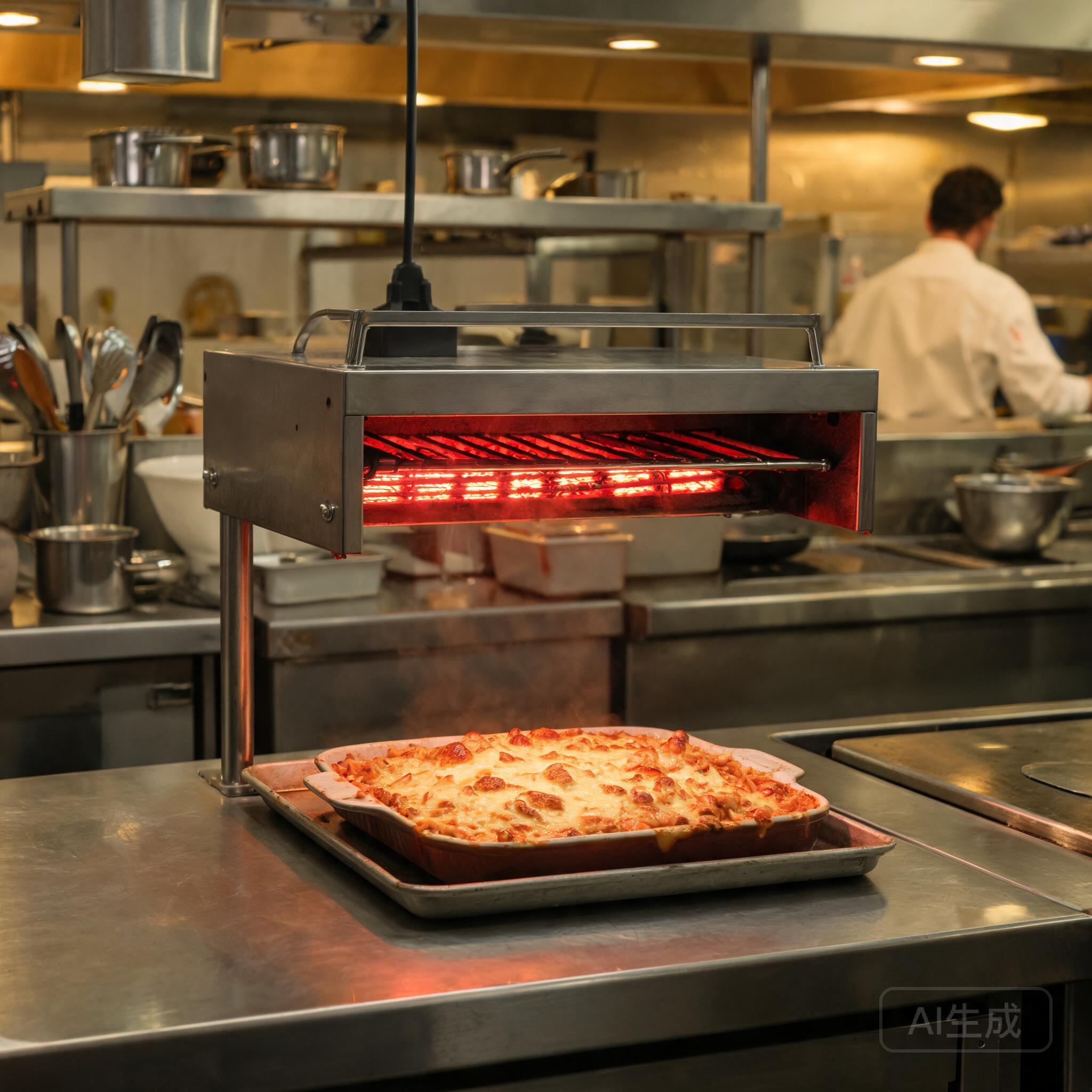
A commercial countertop broiler (also known as a countertop salamander or overhead broiler) is a compact, high-powered cooking appliance designed to deliver intense, focused heat from above. Unlike full-sized ovens, these units sit on countertops, making them ideal for tasks like browning gratins, melting cheese on sandwiches, caramelizing crème brûlée, or finishing steaks with a crisp crust.
For foodservice operations—from quick-service restaurants to fine-dining establishments—countertop broilers offer unmatched efficiency. They reduce cooking time for last-minute touches, maximize limited kitchen space, and ensure consistent dish quality. Whether you’re a pizzeria needing to reheat slices, a café melting cheese on paninis, or a catering service prepping platters, a commercial electric broiler streamlines workflow while enhancing presentation.
!Commercial Countertop Broiler 1
Types of Commercial Countertop Broilers (quartz, infrared, ceramic element)
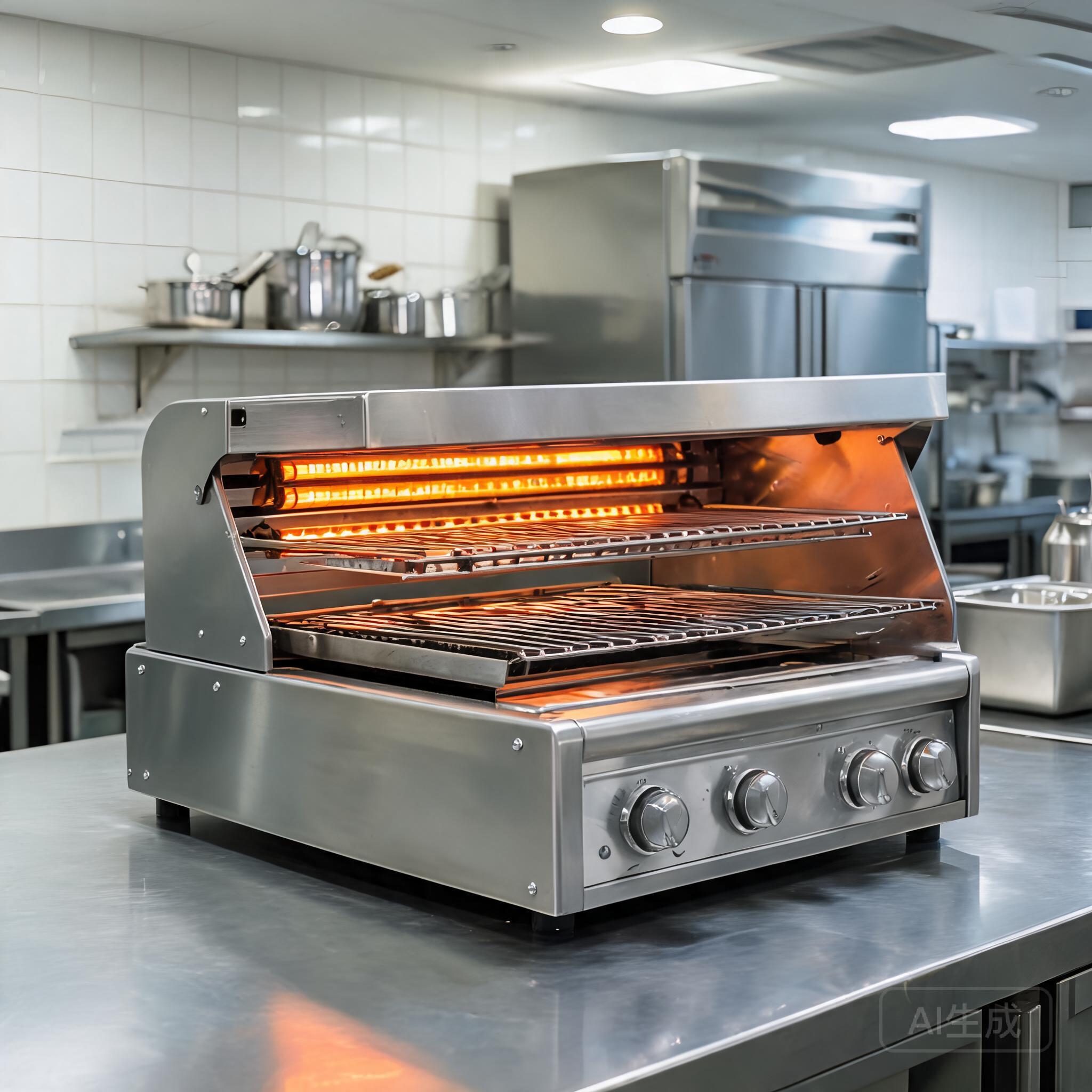
Commercial countertop broilers use three primary heating technologies, each suited to different kitchen needs:
1. Quartz Element Broilers
Quartz broilers use halogen or quartz heating elements to generate rapid, radiant heat. These units excel at fast, even browning and are ideal for high-volume tasks (e.g., melting cheese on dozens of sandwiches). Quartz elements heat up in seconds, reducing wait times, and their light emission helps visualize cooking progress. Biengastro’s quartz-equipped models combine stainless steel construction with quartz elements for durability and efficiency.
2. Infrared Broilers
Infrared broilers use infrared radiation to heat food directly (rather than heating the air). This technology offers precise temperature control (ideal for delicate tasks like caramelizing sugar) and energy efficiency, as heat isn’t wasted on the surrounding air. Infrared broilers are popular in upscale restaurants where consistency is critical, as they minimize hot spots and cook food uniformly.
3. Ceramic Element Broilers
Ceramic (or ceramic-glass) element broilers feature durable, heat-resistant ceramic surfaces. They provide gentle, even heat distribution and are less prone to warping or damage from spills (a common issue in busy kitchens). Ceramic elements also retain heat well, making them suitable for low-and-slow tasks like keeping dishes warm before service.
When choosing a type, consider your menu: Quartz for speed, infrared for precision, and ceramic for durability/even heat. Biengastro offers models with all three technologies to match diverse kitchen demands.
!Commercial Countertop Broiler 2
Key Features to Look For (wattage, temperature range, cooking area, materials)
To ensure your broiler meets commercial demands, prioritize these features:
1. Wattage (Power)
Wattage (1500W to 3000W for commercial models) dictates heating speed. Higher wattage (e.g., 3000W) is better for heavy-duty tasks (e.g., searing steaks), while 1500W suits lighter use (e.g., melting cheese). Biengastro’s broilers offer 1500W–3000W options, allowing you to match power to your kitchen’s volume.
2. Temperature Range
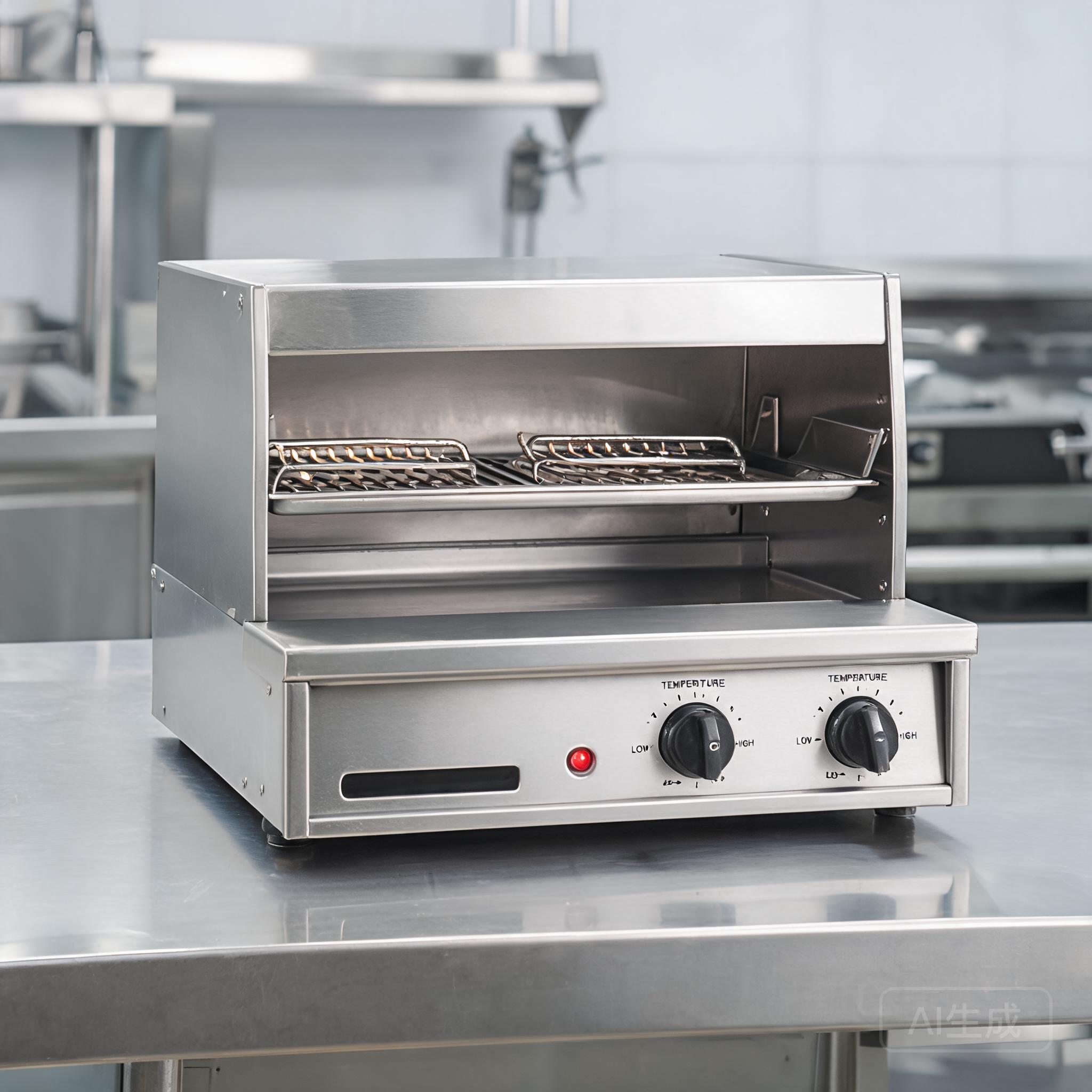
A versatile temperature range (e.g., 50°C to 300°C, as seen in Biengastro’s models) lets you handle diverse tasks: low temps for warming, high temps for searing. Ensure the broiler can reach at least 250°C for effective browning, and has low-end control for delicate jobs.
3. Cooking Area
Measure your typical batch size: a 12” x 16” cooking surface suits small cafes, while 18” x 24” works for high-volume kitchens. Biengastro’s broilers feature stainless steel cooking grates (or surfaces) with ample space, designed to accommodate multiple dishes simultaneously.
4. Construction Materials
- Body: Opt for stainless steel (SS304) (as used in Biengastro’s models) for corrosion resistance, easy cleaning, and durability. SS304 withstands daily scrubbing and kitchen moisture.
- Heating Elements: Quartz, infrared, or ceramic elements (as discussed) should be robust and replaceable (for long-term cost efficiency).
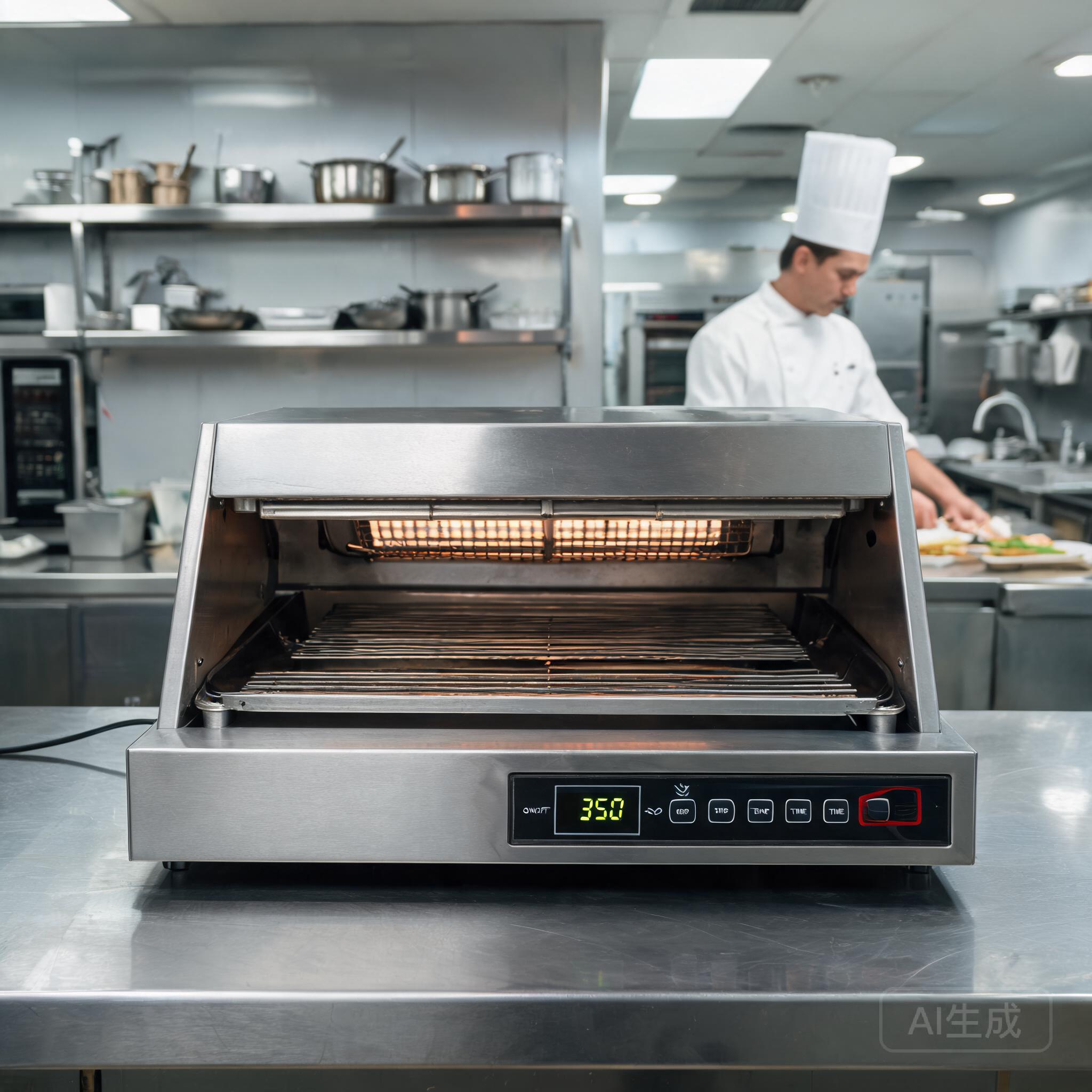
- Controls: Digital or analog temperature controls with clear markings ensure consistency. Some models (like Biengastro’s) include adjustable thermostats for precise heat management.
Other must-haves: Cool-touch handles (safety), removable drip trays (easy cleaning), and splash-proof designs (to prevent electrical issues).
!Commercial Countertop Broiler 3
Commercial vs Residential: Why You Need Commercial Grade
Residential broilers (found in home kitchens) cannot withstand commercial foodservice demands. Here’s why commercial-grade (like Biengastro’s) is non-negotiable:
1. Durability & Build Quality
Commercial broilers use thicker stainless steel (e.g., SS304), reinforced frames, and industrial-grade components. They’re built to run 8–12 hours daily, while residential models (often plastic or thin metal) fail under heavy use. Biengastro’s broilers feature welded stainless steel bodies to resist warping and corrosion.
2. Power & Performance
Commercial broilers offer higher wattage (1500W–3000W) for faster heating, while residential units max out at ~1200W. This means commercial models can handle back-to-back orders (e.g., a catering service prepping 50 dishes) without overheating or slowing down.
3. Safety & Certifications
Commercial broilers must meet strict safety standards (CE, RoHS, LFGB) to protect staff and customers. Biengastro’s models are CE/RoHS/LFGB certified, ensuring compliance with European and global food safety regulations. Features like auto-shutoff, heat-resistant exteriors, and grounded plugs further reduce risk.
4. Warranty & Support
Commercial brands (like Biengastro) offer longer warranties (often 1–2 years) and dedicated customer support for foodservice businesses. Residential warranties (typically 90 days) and limited service make them unsuitable for professional use.
!Commercial Countertop Broiler 4
How to Choose the Right Size for Your Kitchen
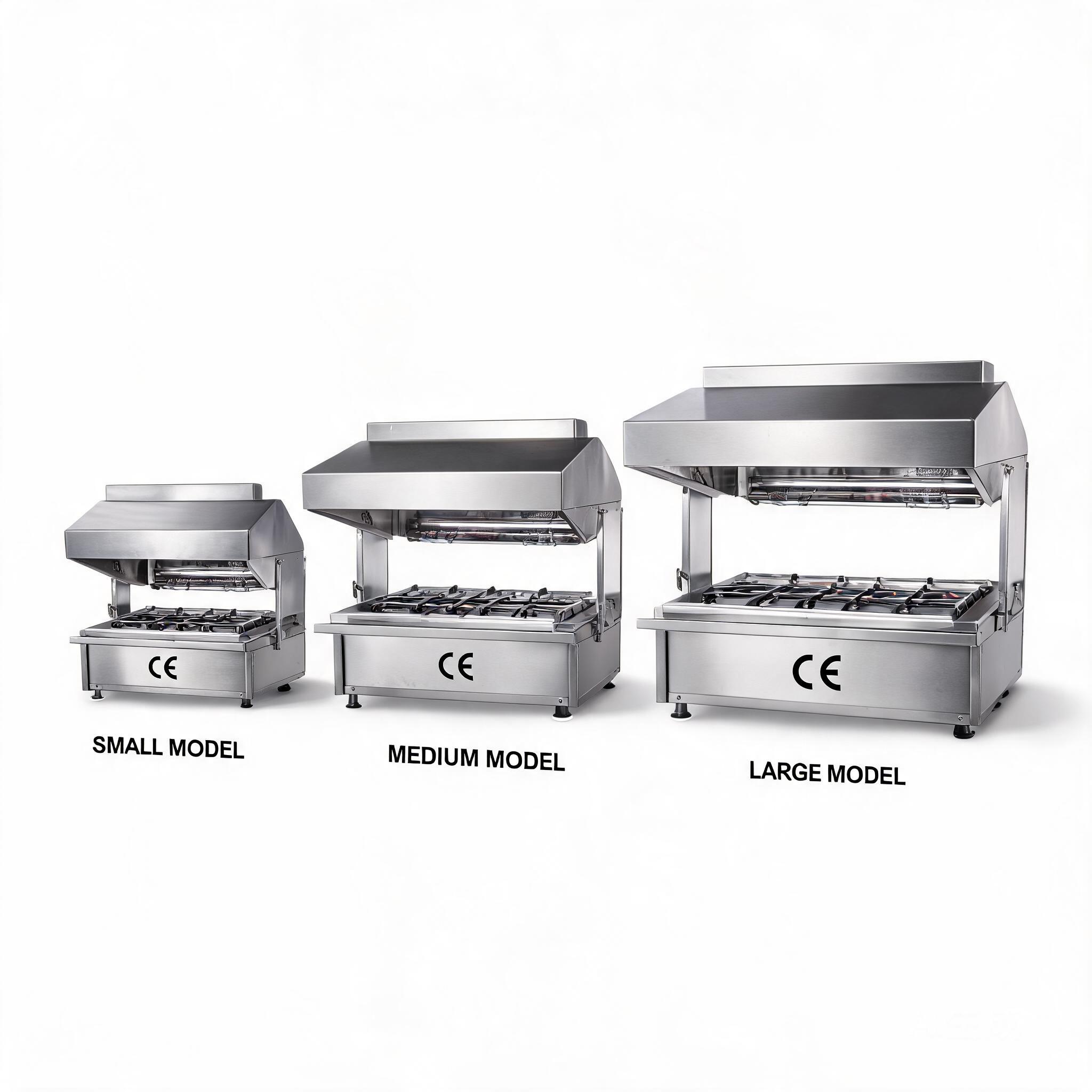
Size selection balances counter space, menu volume, and workflow:
1. Measure Available Counter Space
First, calculate your counter’s length, width, and height (ensure 6–12 inches of clearance above the broiler for ventilation). Compact models (e.g., 12” wide) fit in tight spaces (e.g., food trucks), while larger units (24”+ wide) suit spacious commercial kitchens. Biengastro offers models ranging from compact (1500W) to full-sized (3000W) to match any layout.
2. Assess Order Volume
- Low Volume (e.g., coffee shop, small café): A 1500W, 12”–16” broiler suffices for occasional use (e.g., melting cheese on paninis).
- Medium Volume (e.g., pizzeria, diner): A 2000W, 18” broiler handles 10–20 dishes per hour.
- High Volume (e.g., catering, hotel kitchen): A 3000W, 24”+ broiler ensures speed during peak hours.
3. Align With Menu Needs
- Fast Casual/Quick Service: Prioritize speed (quartz or infrared) and compact size.
- Fine Dining: Prioritize precision (infrared) and medium size for delicate finishing.
- Catering/Buffet: Prioritize large cooking areas (ceramic or quartz) for batch processing.
Biengastro’s size options (e.g., 1500W compact, 3000W full-sized) let you tailor your broiler to your specific menu and space.
!Commercial Countertop Broiler 5
Installation, Safety & Maintenance Tips
Proper installation, safety protocols, and maintenance extend your broiler’s lifespan and ensure kitchen safety:
1. Installation
- Countertop Placement: Place the broiler on a flat, heat-resistant surface (stainless steel countertop is ideal). Ensure at least 6 inches of clearance on all sides (including above) for ventilation.
- Electrical Requirements: Commercial broilers require dedicated circuits (e.g., 15A for 1500W, 20A for 3000W) to avoid tripping breakers. Consult an electrician to verify your kitchen’s wiring.
- Ventilation: While countertop broilers produce less smoke than gas models, install an exhaust hood (or ensure proximity to an existing one) to remove heat and odors.
2. Safety
- Cool-Touch Exteriors: Models like Biengastro’s feature stainless steel exteriors that stay cool to the touch, reducing burn risks.
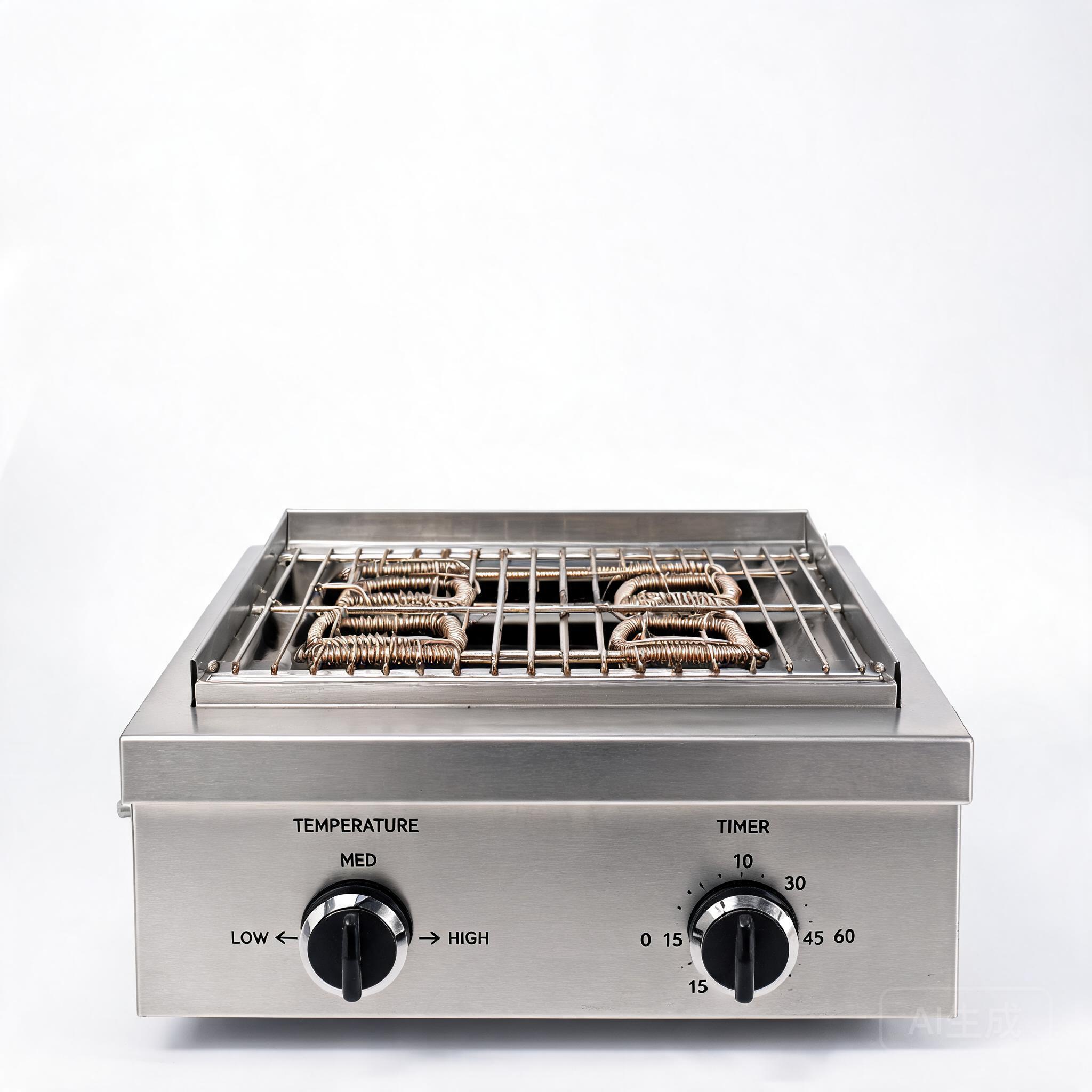
- Auto-Shutoff: Some broilers include timers or overheat protection to prevent fires.
- Grounding: Ensure the broiler is grounded (via a 3-prong plug) to avoid electrical shocks.
3. Maintenance
- Daily Cleaning: Wipe the exterior with a damp cloth and degreaser. Remove and wash drip trays (Biengastro’s trays are dishwasher-safe) to prevent grease buildup.
- Element Care: For quartz/infrared elements, avoid abrasive cleaners (use a soft brush). For ceramic elements, gently scrape off debris with a plastic tool.
- Annual Inspections: Check wiring, elements, and controls for wear. Biengastro’s commercial-grade components (e.g., SS304, reinforced elements) are designed for long-term reliability, but regular checks ensure peak performance.
!Commercial Countertop Broiler 6
Conclusion & Product Recommendation
Choosing the right commercial countertop broiler requires balancing technology, size, and durability with your kitchen’s unique demands. For restaurants, hotels, or catering businesses, prioritize:
- Commercial-Grade Build: Stainless steel (SS304) construction, robust heating elements, and certifications (CE/RoHS/LFGB) for safety and longevity.
- Versatility: A temperature range of 50–300°C (like Biengastro’s models) to handle melting, browning, and finishing tasks.
- Efficiency: Wattage options (1500W–3000W) and heating technologies (quartz, infrared, ceramic) to match your menu’s speed and precision needs.
Biengastro’s Countertop Electric Broilers: A Trusted Choice
Biengastro’s commercial countertop broilers/salamanders check all boxes for foodservice buyers:
- Build Quality: SS304 stainless steel bodies resist corrosion, warping, and daily wear.
- Certifications: CE, RoHS, and LFGB certified for safety and food contact compliance.
- Temperature Control: Adjustable 50–300°C thermostats for precise cooking.
- Heating Options: Quartz (fast), infrared (precise), or ceramic (durable) elements to suit your menu.
- Power Range: 1500W–3000W models for low-to-high volume kitchens.
Whether you’re a small café or a large catering company, Biengastro’s broilers deliver consistent results while withstanding commercial use. Explore their full range of cooking equipment at https://biengastro.com/product-category/cooking-equipment/ to find the perfect fit for your kitchen.
Investing in a commercial-grade electric broiler not only boosts efficiency but also elevates dish quality—turning ordinary meals into visually stunning, perfectly cooked offerings. With the right model, your restaurant can streamline operations, reduce labor costs, and impress customers with every plate.
[Call-to-Action]: Ready to upgrade your kitchen? Browse Biengastro’s commercial countertop broilers at https://biengastro.com/product-category/cooking-equipment/ and choose the ideal model for your foodservice business.
Keywords: commercial countertop broiler, electric broiler restaurant, countertop salamander, commercial overhead broiler, restaurant broiler equipment