


Commercial Electric Food Steamer Buying Guide: How to Choose the Right One for Your Restaurant
In commercial kitchens, steaming is a game-changer. It preserves nutrients, enhances flavor, and enables batch cooking—critical for efficiency. Whether you’re serving dim sum, healthy vegetables, or succulent seafood, a commercial electric food steamer delivers consistent, restaurant-quality results. But with options ranging from compact countertop models to industrial-grade units, choosing the right one requires understanding your kitchen’s needs. This guide will demystify the process, covering types, features, and how Biengastro’s 20+ years of expertise (and CE/RoHS/LFGB-certified models) can elevate your operation.
What is a Commercial Electric Food Steamer?
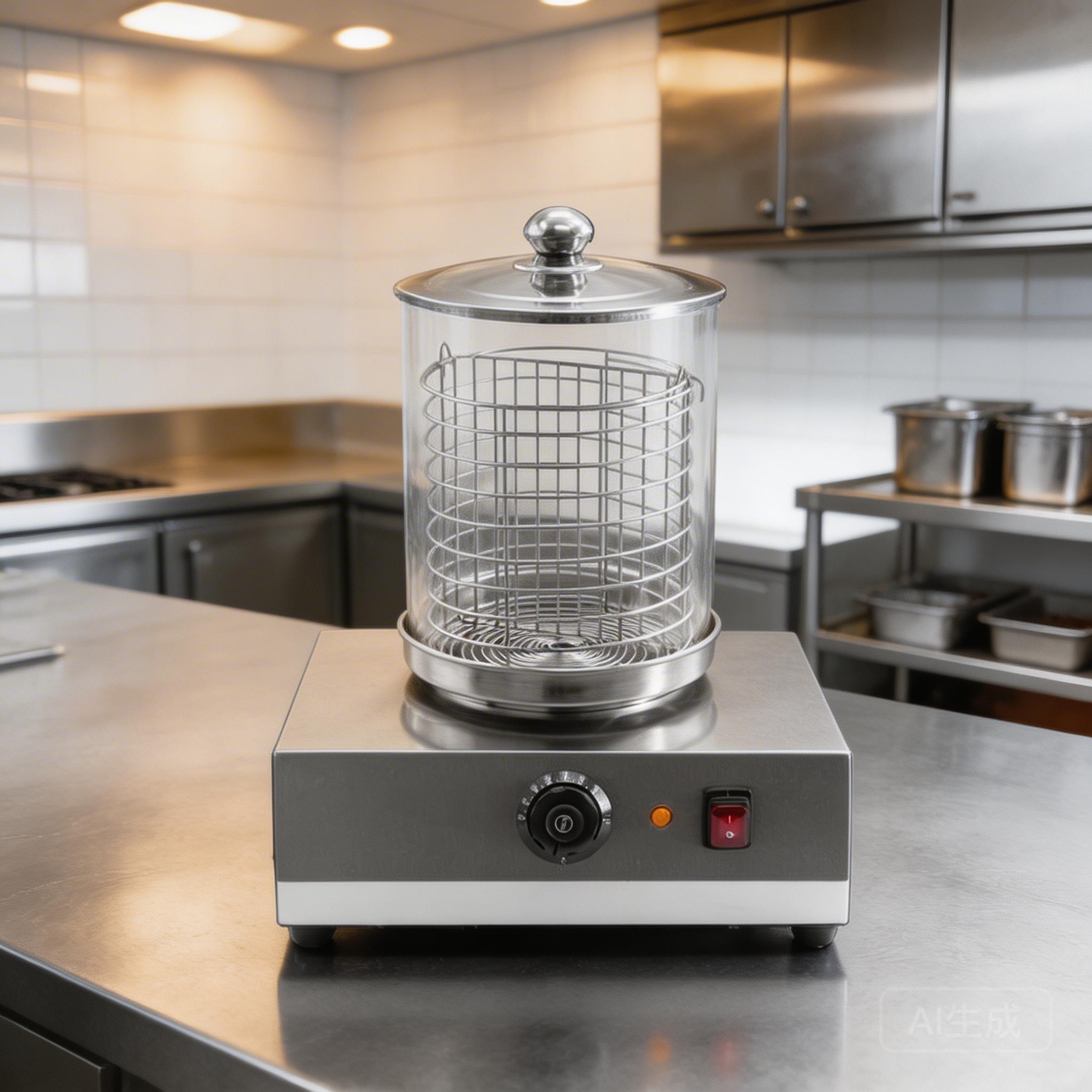
A commercial electric food steamer is a specialized appliance that uses electric power to generate steam, cooking food efficiently while retaining moisture and nutrients. Unlike home steamers, commercial models are built for durability, high-volume use, and precise control.
Types & Sizes:
- Countertop Electric Steamers: Compact, ideal for small to medium restaurants (e.g., cafes, bakeries). Biengastro’s Countertop Electric Food Steamer (Single Tank) fits neatly on workstations, offering 220V/50Hz power, SS304 stainless steel construction, and temperature control with a timer—perfect for daily volumes up to 150 servings.
- Floor-Standing (Commercial) Steamers: Larger, multi-tank units for high-capacity needs (hotels, catering businesses). Biengastro’s Commercial Electric Steamer features robust construction, higher wattage, and multiple compartments to handle 300+ daily servings.
Core Features:
Most models include temperature control (50°C–100°C), programmable timers, and food-grade stainless steel interiors. Advanced units add auto-water refill, anti-dry burn protection, and digital interfaces for precision.
Key Features to Look for When Buying
When investing in a commercial electric food steamer, prioritize features that align with your kitchen’s volume, menu, and workflow:
1. Capacity
- Small Operations (Cafes, Delis): 10–20L (1–2 pans) for light use. Biengastro’s Countertop model excels here, with a compact design and 220V efficiency.
- Medium to Large (Restaurants, Hotels): 30–100L (3+ pans) to handle peak hours. Biengastro’s Commercial Electric Steamer supports 300+ daily servings.
2. Power & Efficiency
Wattage (e.g., 3kW–15kW) dictates heating speed. Higher wattage (like Biengastro’s 5kW+ models) reduces preheat time, ideal for busy kitchens. Ensure your electrical setup (220V/50Hz or 3-phase) supports the steamer’s power.
3. Material: SS304 Stainless Steel
Food-grade SS304 stainless steel (used in Biengastro’s steamers) is non-reactive, durable, and easy to clean—critical for hygiene. Avoid cheaper materials (e.g., aluminum) that degrade over time.
4. Timer & Control
A programmable timer (e.g., 0–60 minutes) lets you set cook times and walk away, preventing overcooking. Biengastro’s models feature digital timers with auto-shutoff for consistency.
5. Safety Features
Look for pressure relief valves, anti-dry burn, insulated handles, and waterproof controls. Biengastro’s steamers include these, plus CE/RoHS/LFGB certifications for safety.
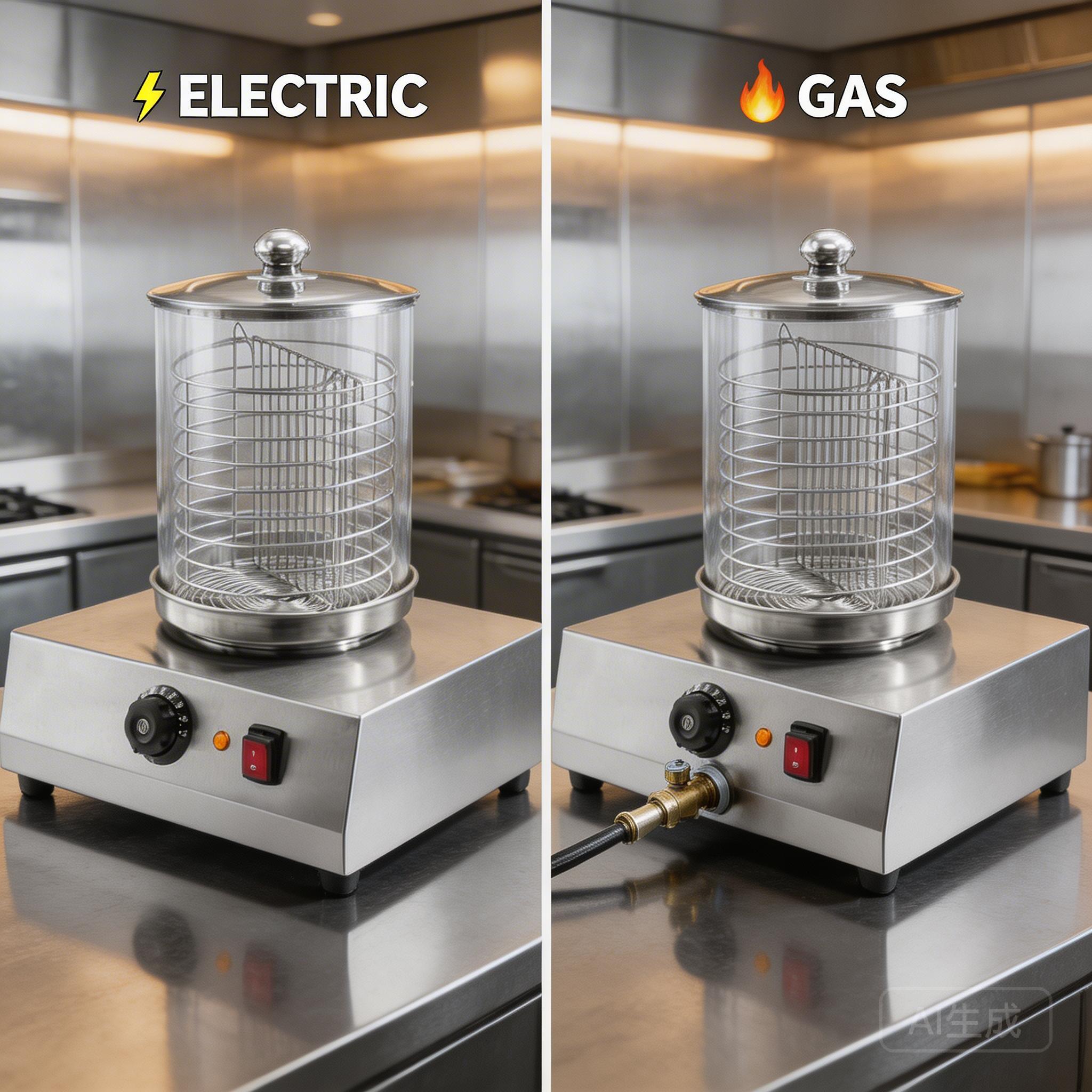
Electric vs Gas Steamers: Which is Better for Your Restaurant?
Choosing between electric and gas steamers depends on your kitchen’s setup, volume, and priorities:
Electric Steamers:
- Pros: Plug-and-play (no gas lines), consistent heat, safer (no open flame), easier maintenance. Biengastro’s electric models (CE/RoHS/LFGB-certified) offer precise temperature control, ideal for delicate dishes like dim sum or sushi rice.
- Cons: Higher upfront cost (offset by lower maintenance), depends on electrical infrastructure.
Gas Steamers:
- Pros: Lower operating costs for extremely high volume (e.g., 1,000+ daily servings), faster heat recovery.
- Cons: Requires gas lines, ventilation, and stricter safety protocols (e.g., gas leaks).
For most restaurants, electric steamers (like Biengastro’s range) are the smarter choice—offering safety, control, and adaptability to diverse menus.
Best Applications for Commercial Steamers
Commercial electric steamers shine across diverse cuisines and menu items:
- Dim Sum & Asian Cuisine: Steam buns, dumplings, and bao in multi-tiered pans (no flavor transfer). Biengastro’s steamers’ even heat ensures perfect texture.
- Vegetables & Healthy Dishes: Retain color, vitamins, and crispness (e.g., broccoli, carrots, spinach) for salads or sides.
- Seafood: Cook fish, shrimp, or lobster gently, preserving moisture (no overcooking).
- Rice & Grains: Perfectly fluffy rice (sushi, jasmine) with no sticking, using dedicated rice pans.
- Meal Prep & Catering: Batch-cook proteins, starches, and veggies for hospitals, schools, or events.
How to Size Your Commercial Steamer
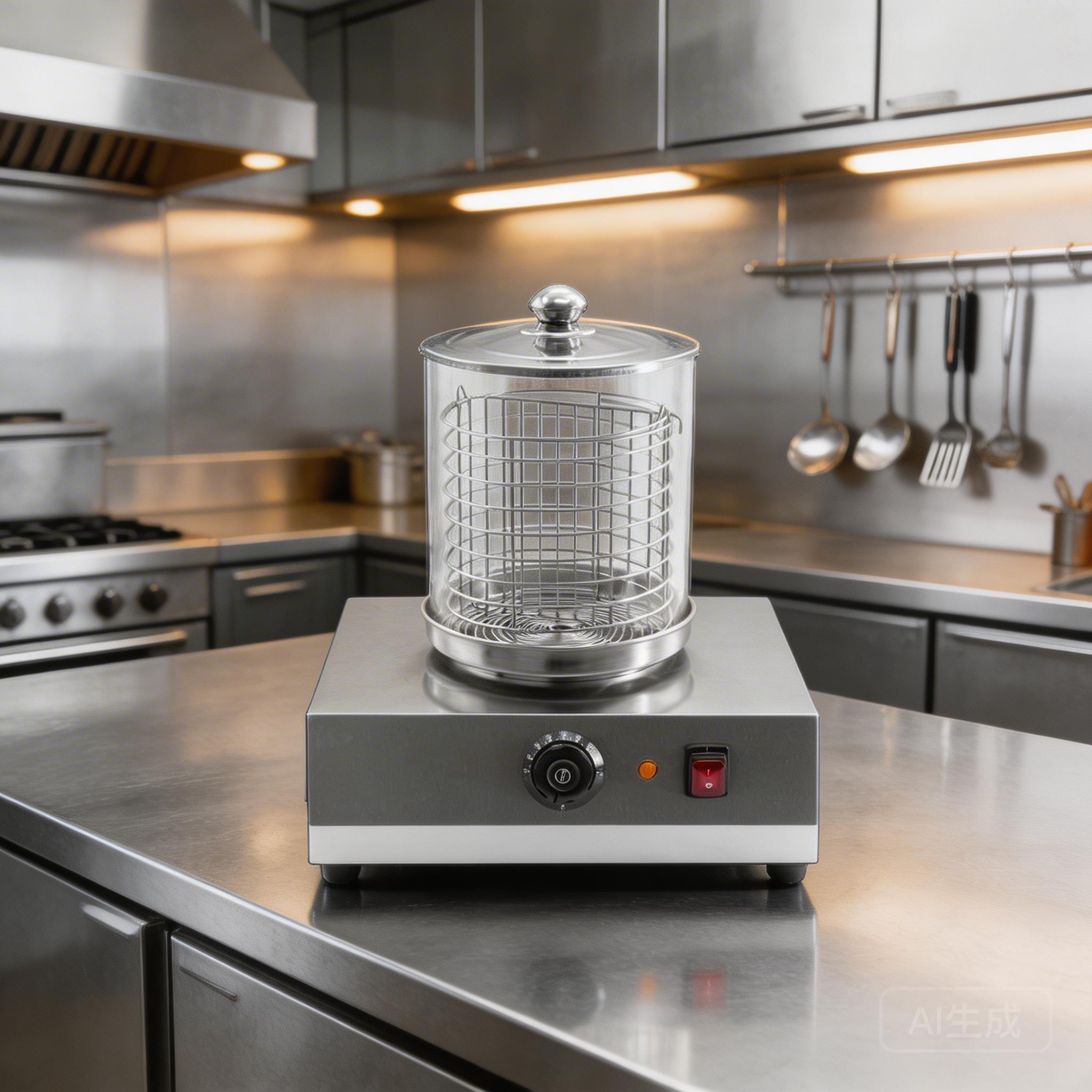
Sizing is critical—too small, and you’ll bottleneck service; too large, and you’ll waste energy. Follow this framework:
- Calculate Daily Volume: Estimate servings per meal period (e.g., 200 dim sum servings daily).
- Pan Capacity: Each pan (or tier) holds ~10–20 servings (depending on portion size). For 200 servings, a 10–20-pan capacity (or 50–100L) is ideal.
- Peak Hours: Ensure the steamer can handle rush times (e.g., breakfast for a hotel). Biengastro’s Commercial Electric Steamer is built for 300+ daily servings.
- Space Constraints: Countertop models (like Biengastro’s) fit small kitchens, while floor-standing units need 1–2 square meters.
Example: A small restaurant serving 150 dim sum servings daily (3 meals) needs a 15–20L (3–4 pan) countertop steamer—perfect for Biengastro’s single-tank model.
Top Tips for Using and Maintaining Your Commercial Steamer
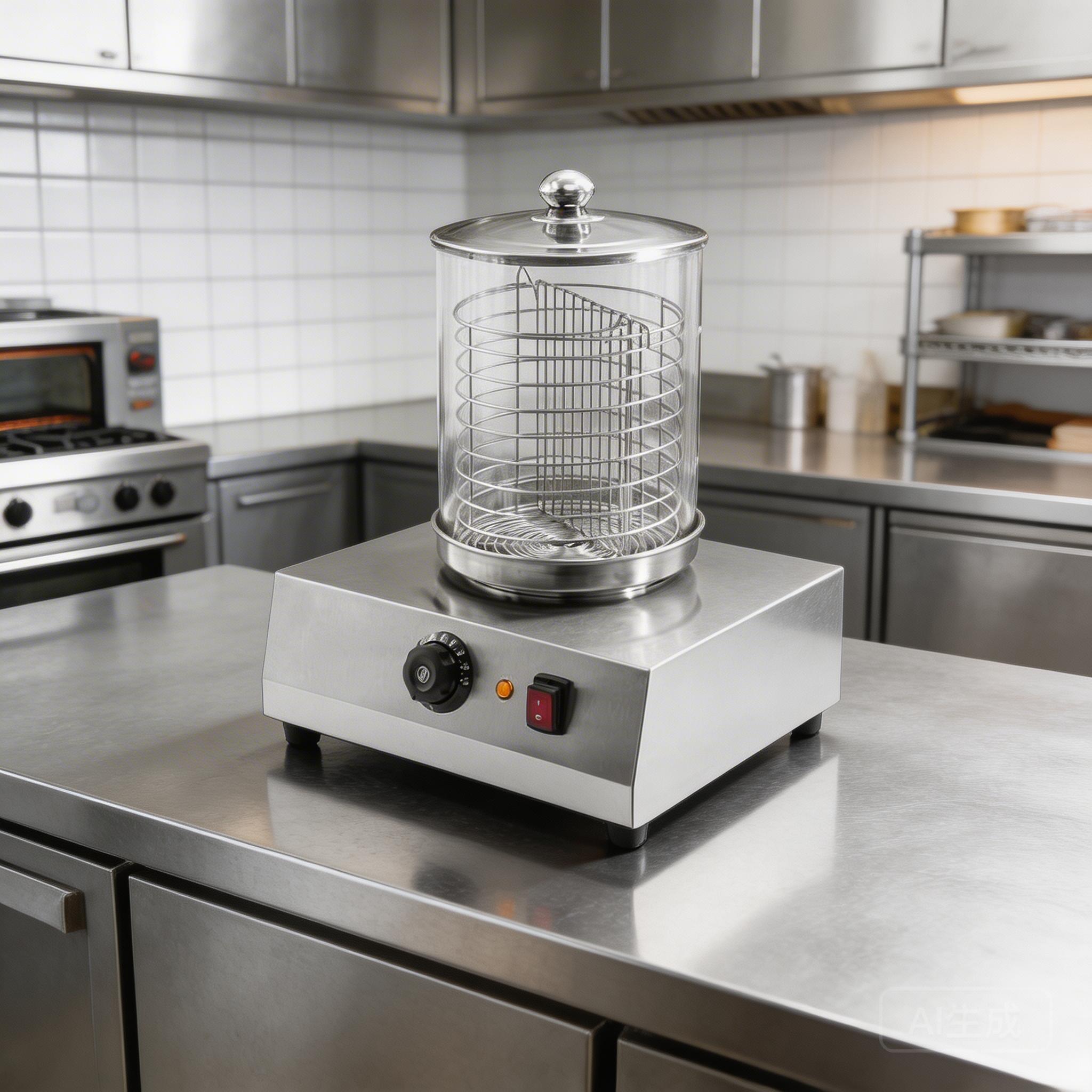
Maximize your steamer’s lifespan and performance with these tips:
- Preheat: Always preheat for 5–10 minutes to ensure even steam distribution.
- Water Management: Use filtered water to prevent limescale (clean heating elements monthly).
- Cleaning: Wipe interiors daily; deep-clean (descale, sanitize pans) weekly. Biengastro’s SS304 stainless steel is non-porous, simplifying cleaning.
- Safety Checks: Test pressure relief valves and anti-dry burn features monthly.
- Staff Training: Train staff on timer use, temperature settings, and safety protocols.
Biengastro’s Commercial Electric Steamer Recommendations
At Biengastro, our 20+ years of manufacturing commercial kitchen equipment (backed by CE/RoHS/LFGB certifications) ensure our steamers meet the highest standards.
- For Small to Medium Restaurants: The Countertop Electric Food Steamer (Single Tank) (220V/50Hz, SS304, temperature control + timer) is perfect for daily volumes up to 150 servings. Its compact design fits tight spaces, while food-grade stainless steel ensures hygiene.
- For High-Volume Operations: The Commercial Electric Steamer (multi-tank, higher wattage) handles 300+ daily servings, with robust construction and advanced safety features.
Explore our range at Biengastro’s shop to find the ideal model for your kitchen.
Conclusion: Elevate Your Kitchen with the Right Steamer
Choosing the right commercial electric food steamer is an investment in efficiency, quality, and customer satisfaction. By prioritizing capacity, features, and trusted manufacturing (like Biengastro’s 20+ years of expertise), you’ll equip your kitchen to deliver exceptional meals consistently. Ready to upgrade? Browse our CE/RoHS/LFGB-certified steamers at biengastro.com/shop/ or contact us for personalized guidance.
FAQ: Commercial Electric Food Steamers
1. How long does a commercial electric steamer take to heat up?
Most models (like Biengastro’s) heat up in 5–15 minutes, depending on wattage (higher wattage = faster preheat).
2. Can I steam different foods simultaneously?
Yes—use separate pans/tiers to prevent flavor transfer. Ensure stronger-flavored foods (e.g., fish) are covered or placed on lower tiers.
3. How often should I descale my steamer?
Every 1–2 months (or as needed), depending on water hardness. Use a food-safe descaling agent.
4. Are electric steamers energy-efficient?
Modern electric steamers (like Biengastro’s) use insulated chambers and efficient heating elements, reducing energy waste compared to older models.