


Commercial Salamander Broiler Buying Guide: How to Choose the Right Salamander for Your Restaurant Kitchen
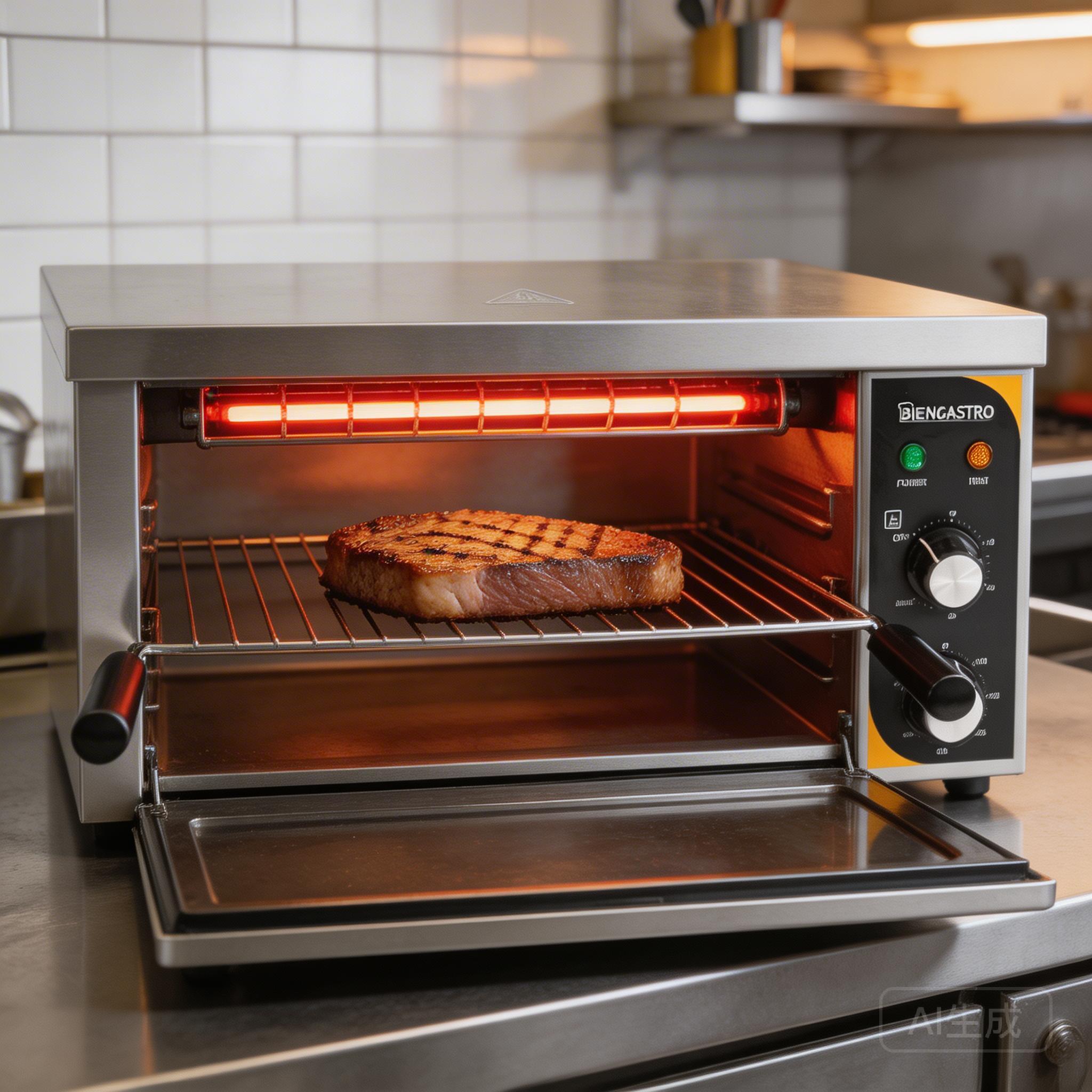
In the heart of a thriving restaurant, every dish tells a story—and the commercial salamander broiler is often the secret ingredient behind its climax. Whether it’s the golden-brown crust on a prime rib, the oozy melt of cheese on a French onion soup, or the caramelized top of a crème brûlée, this versatile appliance transforms good dishes into unforgettable ones. But with countless models on the market—from electric salamanders to gas-powered overhead broilers—how do you pick the right one for your kitchen? With over 20 years of crafting commercial kitchen equipment, Biengastro (biengastro.com) knows what it takes to balance performance, durability, and efficiency. In this guide, we’ll walk you through every factor, from heat types to space requirements, so you can choose a salamander that elevates your menu and streamlines your service.
Understanding the Role of a Commercial Salamander Broiler
A commercial salamander broiler (also called a salamander grill or overhead broiler) is a compact, high-heat appliance designed to apply intense, direct heat from above. Unlike traditional ovens, it focuses heat on the surface of food, making it ideal for:
- Finishing dishes: Searing the top of steaks, melting cheese on sandwiches, or caramelizing sugar on desserts.
- Quick cooking: Crisping pizza crusts, toasting panini, or browning casseroles in seconds.
- Precision tasks: Achieving consistent results for delicate items like foie gras or fish.
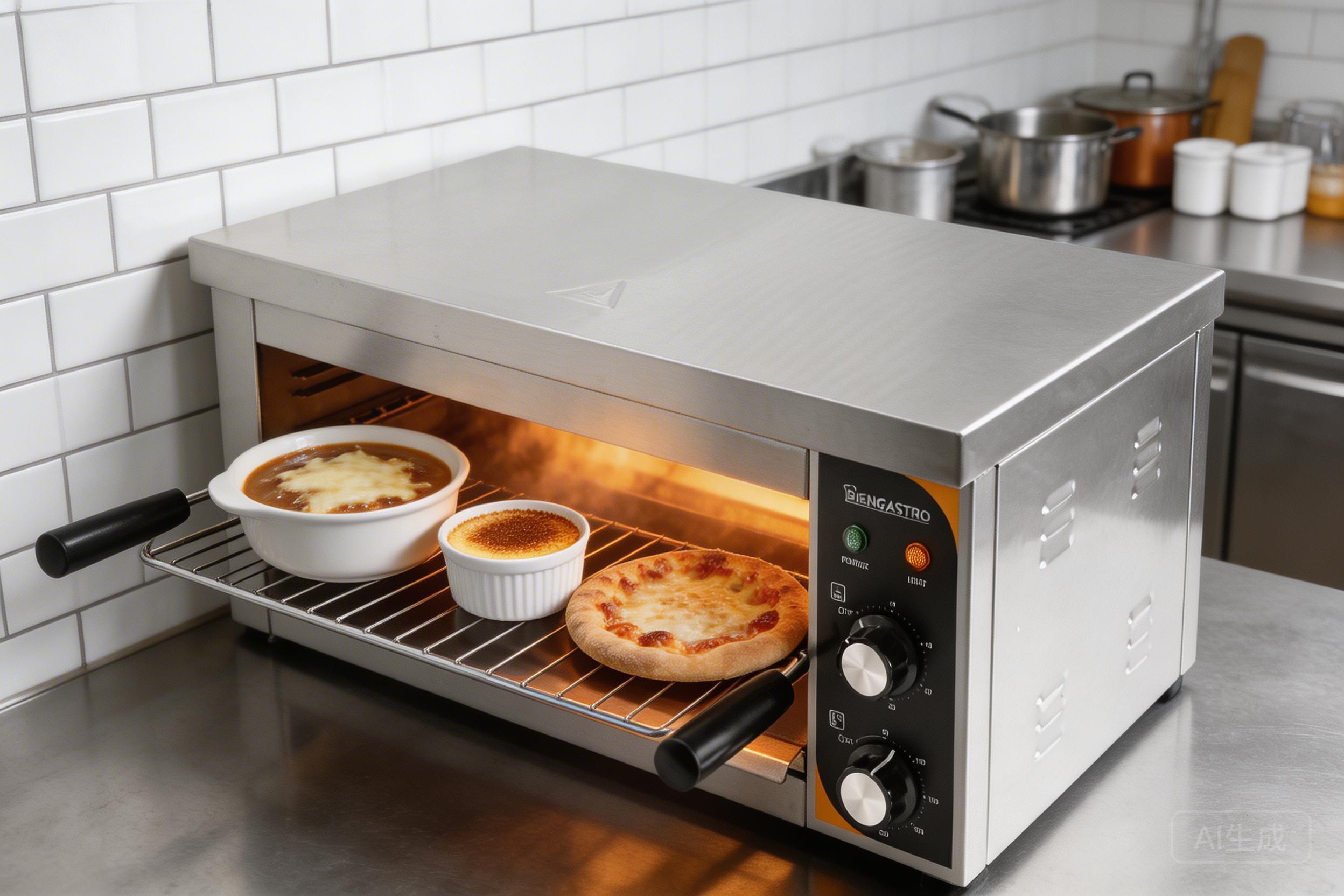
In a pizzeria, a salamander re-crisps crusts or melts fresh mozzarella on gourmet pies. In a steakhouse, it delivers the perfect Maillard reaction on a porterhouse in seconds. Bakeries use it to caramelize sugar on tarts, while delis rely on it for toasting panini to perfection. The salamander’s ability to apply intense, targeted heat makes it irreplaceable for tasks that demand speed and precision—tasks that a standard oven or stovetop can’t handle efficiently.
Key Factors to Consider When Buying a Commercial Salamander Broiler
Choosing the right salamander requires balancing your kitchen’s needs with equipment capabilities. Here’s what to prioritize:
1. Size & Capacity
Before investing, assess your kitchen’s space and menu demands:
- Countertop models (like Biengastro’s compact designs) suit small kitchens or low-volume operations (e.g., coffee shops, food trucks).
- Wall-mounted units save counter space and work well in larger kitchens (e.g., hotels, fine-dining restaurants).
- Cooking surface: A wider plate (e.g., our BS610 offers ample surface) lets you process more orders simultaneously. For example, a 12-inch cooking plate can handle 2–3 dishes at once, while a 18-inch plate is better for high-volume service.
2. Power & Heating
The right heat source depends on your menu and kitchen setup:
- Electric salamanders (e.g., Biengastro’s BS610 with 2500W power) offer consistent, even heat—ideal for precision tasks (e.g., melting cheese). They’re easy to install (no gas lines) and work well in kitchens with reliable electricity.
- Gas salamanders (natural or propane) provide higher BTU for rapid searing (e.g., steakhouses). They heat up faster but require proper ventilation and gas line installation.
Check voltage compatibility (most electric models use 220–240V) and ensure your kitchen’s electrical/gas supply can support it.
3. Material & Durability
Commercial kitchens demand rugged equipment. Prioritize:
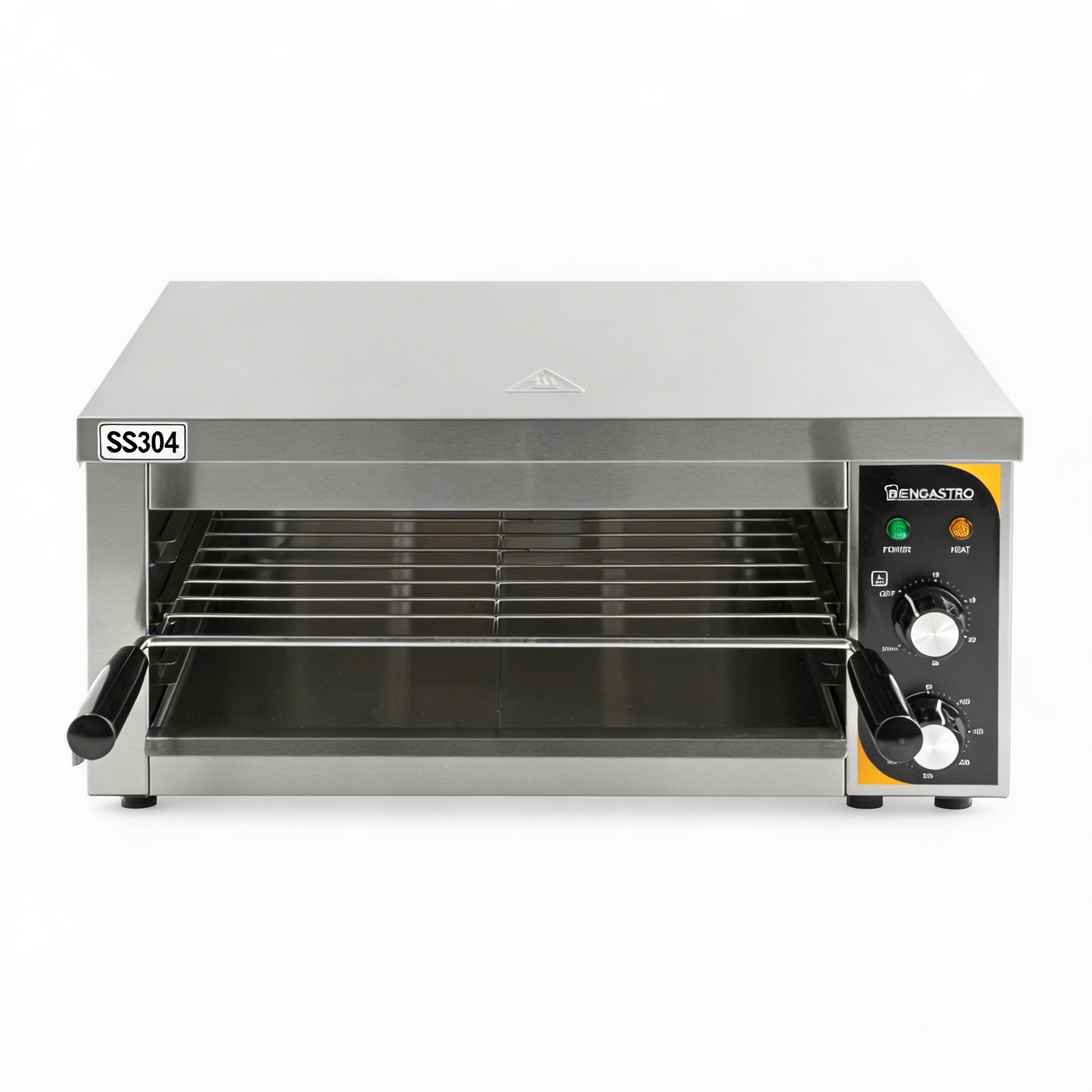
- Stainless steel construction: SS304 (used in our BS610) is more corrosion-resistant and durable than SS201, ideal for humid, high-use kitchens. It withstands frequent cleaning with harsh chemicals, ensuring your salamander looks and performs like new for years.
- Certifications: CE/UL certification (standard in Biengastro’s products) ensures safety and compliance with industry standards.
4. Ease of Cleaning
A salamander with removable, dishwasher-safe parts (or smooth, non-stick surfaces) saves hours of scrubbing:
- Look for sloped surfaces to drain grease (preventing buildup and fire risks).
- Detachable cooking plates (like our BS610’s) and stainless steel exteriors wipe clean in seconds.
- Avoid models with crevices or hard-to-reach areas that trap food debris.
5. Safety Features
Overheat protection, cool-touch handles, and sturdy bases prevent accidents:
- Overheat protection shuts off the unit if temperatures exceed safe levels.
- Cool-touch handles protect staff during busy service.
- Sturdy bases (or wall mounts) prevent tipping.
Biengastro’s models include these features to keep your team safe during high-pressure service.
6. Temperature Control
Precise thermostats (ranging from 150°F to 600°F in premium models) let you tailor heat for different tasks:
- Low temperatures (150–300°F) for melting cheese or toasting.
- High temperatures (400–600°F) for searing or caramelizing.
Models with infrared heating (optional in some Biengastro designs) cook faster and more evenly by penetrating food’s surface—ideal for steakhouses or gourmet kitchens.
Types of Commercial Salamander Broilers (Electric vs. Gas)
Salamanders come in two primary heat sources, each with pros and cons:
Electric Salamanders
- Pros: Consistent heat, easy installation (no gas lines), lower maintenance, precise temperature control.
- Cons: Higher initial cost, relies on electricity (risk of outages).
- Best for: Kitchens with reliable electricity, tasks requiring precision (e.g., melting cheese, toasting), or smaller spaces.
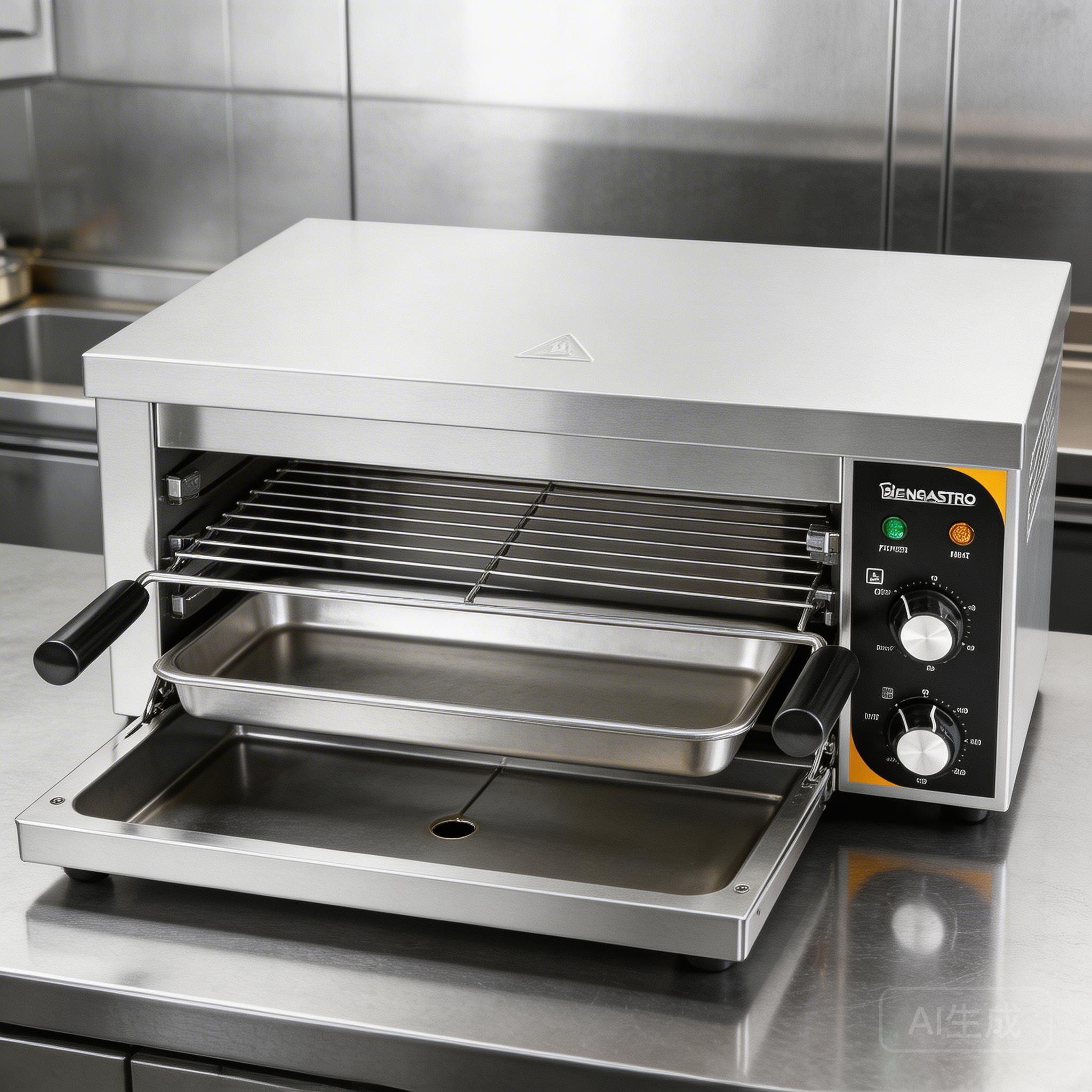
Biengastro’s BS610 is a top electric choice: 2500W power, 220–240V compatibility, and SS304 stainless steel construction deliver uniform heat for flawless results. Its compact design fits seamlessly into tight spaces while handling high-use demands.
Gas Salamanders
- Pros: Faster heat-up, higher BTU for intense searing, lower operating costs in gas-rich regions.
- Cons: Requires gas line installation, higher maintenance (burners, valves), potential safety risks if not maintained.
- Best for: High-volume kitchens (e.g., steakhouses, hotels) or tasks needing rapid, intense heat.
Biengastro offers gas-compatible salamanders with flame failure protection and durable burners, ideal for kitchens prioritizing speed.
Salamander Broiler Features to Prioritize
Beyond heat source and size, these features enhance performance:
1. Adjustable Height
A salamander with telescopic arms (or adjustable height) lets you control the distance from the heat source, ensuring perfect browning without burning. This is crucial for versatile menus—from thin crêpes to thick steaks.
2. Easy-to-Clean Design
Look for:
- Removable, dishwasher-safe parts (e.g., cooking plates, grease trays).
- Sloped surfaces to drain grease (reducing fire risks and cleaning time).
- Stainless steel exteriors that wipe clean in seconds.
Biengastro’s salamanders prioritize hygiene: sloped surfaces, detachable plates, and corrosion-resistant steel make cleaning effortless.
3. Energy Efficiency
Insulated housing (reduces heat loss) and auto-shutoff features minimize energy waste. Biengastro’s designs balance power with efficiency, cutting operational costs over time.
4. Customization
For unique needs (e.g., dual-temp zones, specialized mounting), Biengastro offers custom salamander designs. Our 20+ years of expertise means we can tailor equipment to your exact menu and space requirements.
How to Match a Salamander to Your Kitchen’s Needs
Your menu, kitchen size, and order volume dictate the ideal salamander:
1. Menu Type
- Steakhouse: Prioritize a high-power gas salamander (or electric with infrared heating) for intense searing.
- Café/Bakery: An electric model for melting cheese, toasting, or caramelizing (e.g., Biengastro’s BS610).
- Hotel/Fine Dining: A versatile electric or gas model with adjustable height and temperature for diverse dishes.
2. Kitchen Size
- Small kitchens (e.g., food trucks, coffee shops): Compact countertop electric salamanders (e.g., BS610) save space.
- Large kitchens (e.g., hotels, banquet halls): Wall-mounted gas or electric models with large cooking surfaces.
3. Order Volume
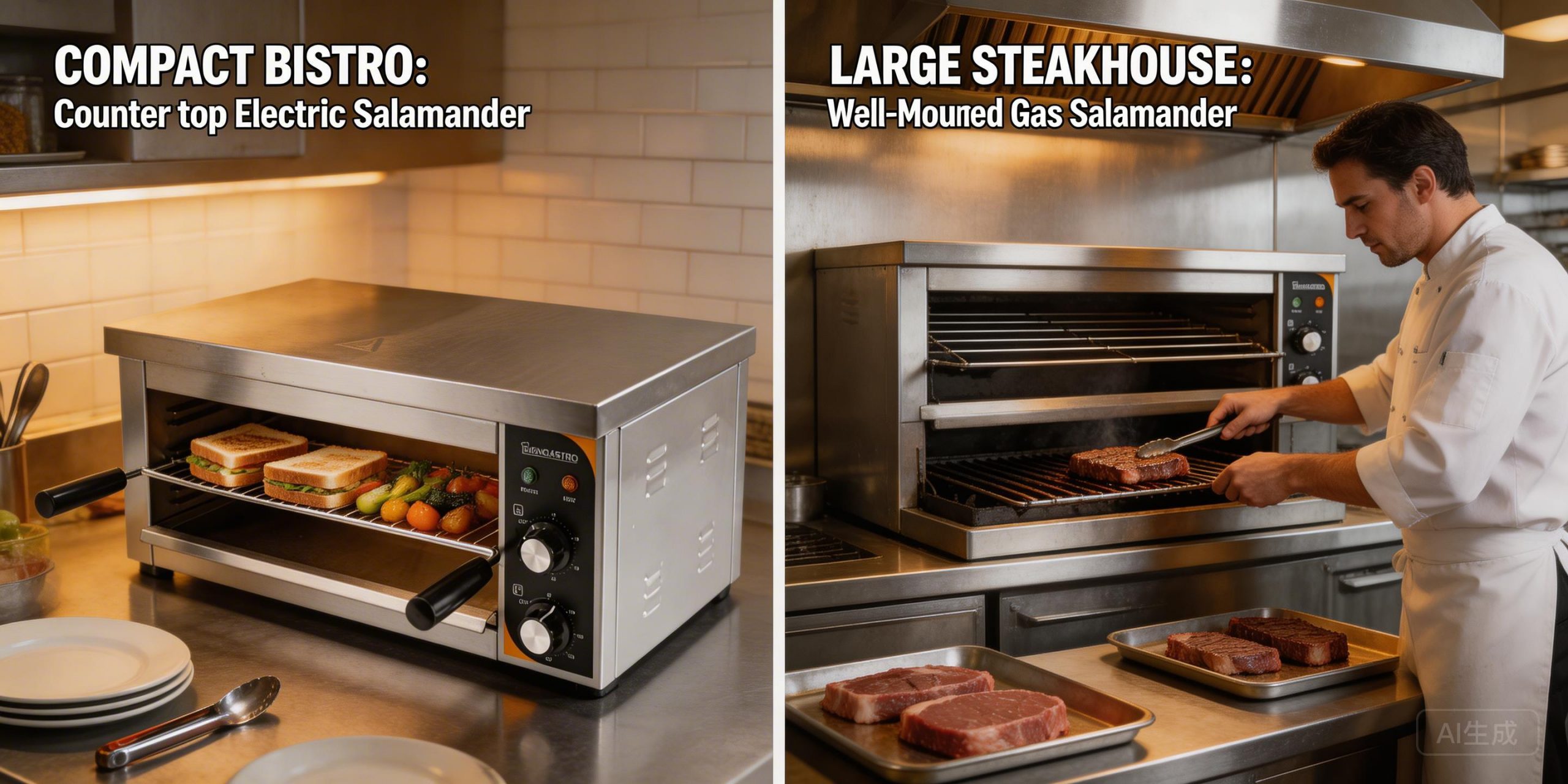
- Low volume (e.g., 50-seat bistro): A countertop electric salamander handles 2–3 dishes at once.
- High volume (e.g., 200-seat steakhouse): A wall-mounted gas salamander with rapid heat recovery and large cooking surface.
Case Study: Bistro vs. Steakhouse
- A 50-seat bistro with artisanal pizzas, grilled sandwiches, and daily specials: A countertop electric salamander (BS610) fits their compact kitchen, handles multiple orders, and provides consistent heat for melting cheese and toasting bread.
- A 200-seat steakhouse: A wall-mounted gas salamander with high BTU sears 20 steaks simultaneously without losing heat.
Biengastro’s Recommended Commercial Salamander Broilers
With 20+ years in commercial kitchen equipment, Biengastro designs salamanders to solve real-world challenges. Here’s our top pick:
BS610 Salamander
Our BS610 is a workhorse for restaurants, bakeries, and hotels:
- Power: 2500W (consistent heat for searing, melting, and finishing).
- Voltage: 220–240V (compatible with most commercial kitchens).
- Material: SS304 stainless steel (corrosion-resistant, durable, and easy to clean).
- Certification: CE-certified (ensures safety and reliability).
- Design: Compact, easy to install (countertop or wall-mounted), and built for high-use kitchens.
The BS610 excels at:
- Searing steaks, chops, or seafood.
- Melting cheese on sandwiches, pizzas, or casseroles.
- Caramelizing sugar on desserts like crème brûlée.
For unique needs (e.g., dual-temp zones, specialized mounting), Biengastro offers custom salamander designs. Our team works with you to tailor equipment to your exact menu and space requirements.
Conclusion: Invest in Your Kitchen’s Future
Choosing the right commercial salamander broiler is an investment in your kitchen’s efficiency and menu quality. With Biengastro’s CE-certified models (like the BS610) and expert guidance, you can transform your dishes and streamline service.
Ready to explore? Browse our commercial salamander broilers or contact our team for personalized recommendations tailored to your kitchen.
FAQ: Commercial Salamander Broilers
1. What’s the difference between a salamander and a broiler?
A salamander is a specialized overhead broiler designed for quick, targeted heat (e.g., searing tops of dishes). Unlike a standard broiler, it’s more compact, powerful, and precise—ideal for finishing tasks rather than full cooking.
2. How much space do I need for a commercial salamander?
Countertop models (e.g., BS610) need ~12–18 inches of clearance, while wall-mounted units require vertical space (usually 18–24 inches above the cooking surface). Measure your kitchen and check product specs for exact dimensions.
3. Can I use a salamander for baking?
While salamanders excel at finishing (searing, melting), some models (with adjustable temperature) can bake small items (e.g., pastries, individual quiches). For large-scale baking, a commercial oven is better suited.
4. How to clean a commercial salamander broiler?
After cooling, remove removable parts (e.g., cooking plates) and wash with warm, soapy water (or dishwasher). Wipe the exterior with a damp cloth. Biengastro’s models feature sloped grease trays and stainless steel surfaces for easy cleaning—simply drain grease and wipe down.
5. Electric or gas salamander: Which is better?
Electric is best for precision, easy installation, and consistent heat (ideal for delicate tasks). Gas is better for rapid heat and high-volume searing. Assess your kitchen’s utilities, menu, and budget—Biengastro’s experts can help you decide.
Related Articles
- Choosing the Right Commercial Oven for Your Bakery
- Electric vs Gas Fryers: Which is Right for Your Kitchen?
- Essential Commercial Kitchen Equipment for New Restaurants
Ready to elevate your kitchen? Browse Biengastro’s commercial salamander broilers or contact us for a personalized consultation. Our 20+ years of expertise ensures you get the perfect equipment for your needs.