


Commercial Countertop Fryer Buying Guide: How to Choose the Best Countertop Deep Fryer for Your Restaurant
Introduction: Why a Countertop Fryer is Perfect for Small Restaurants, Cafes, or Food Trucks
For small foodservice businesses like cafes, food trucks, or compact restaurants, space and efficiency are paramount. A commercial countertop fryer offers a space-saving solution without compromising on frying power. Unlike bulky floor models, these compact units fit easily on workstations, allowing you to serve crispy fries, onion rings, or chicken wings without taking over your kitchen. Whether you’re adding a fryer to a new setup or upgrading equipment, a countertop deep fryer for restaurants balances performance and practicality.
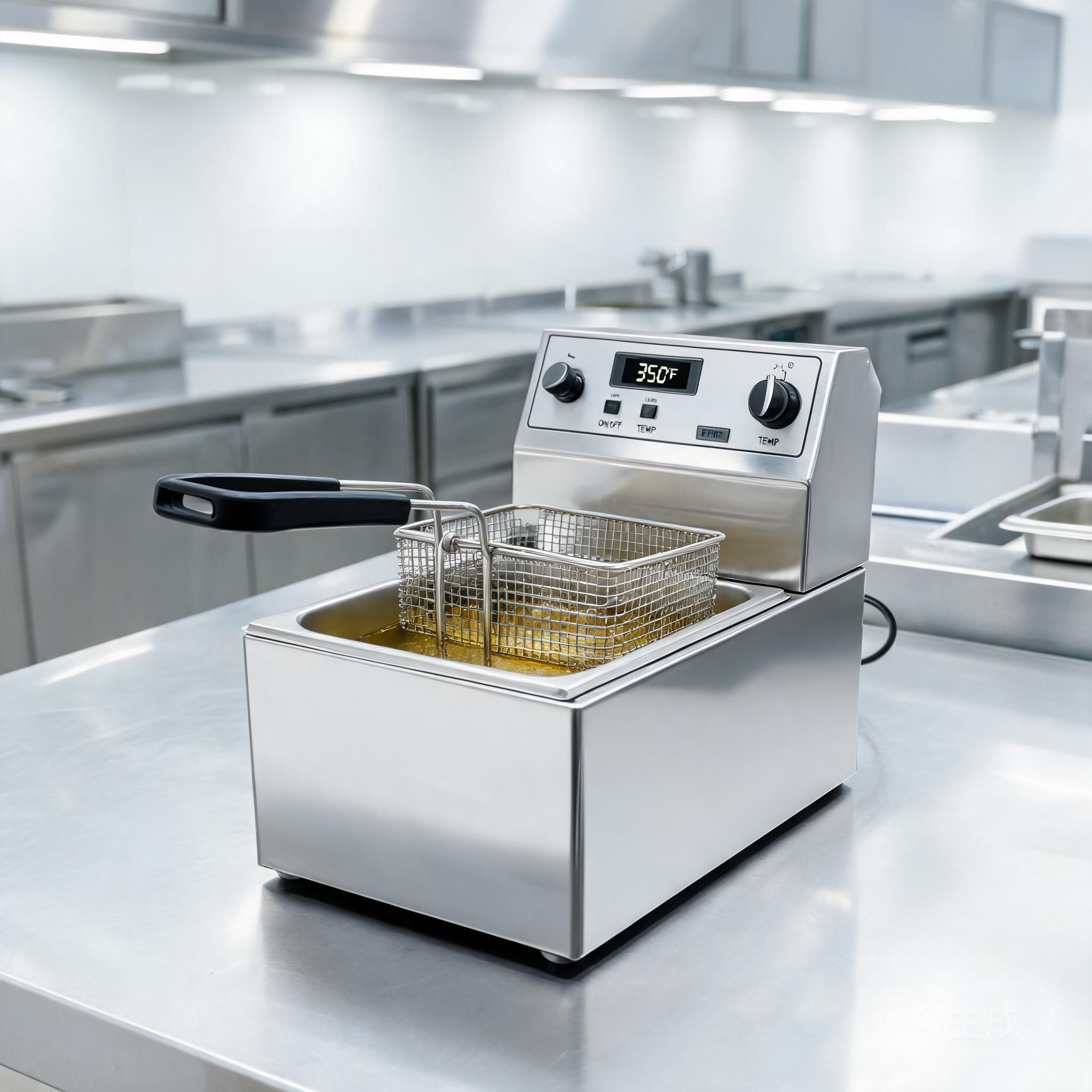
From quick service to specialty snacks, a well-chosen countertop fryer boosts your menu’s versatility. Let’s explore how to pick the best model for your needs.
What is a Commercial Countertop Fryer?
A commercial countertop fryer is a compact, freestanding deep fryer designed for foodservice use, ideal for businesses with limited space. These units heat oil to high temperatures (typically 50–200°C) to cook or crisp food, using either electric or gas power.
How It Works
- Electric Models: Use a heating element submerged in (or below) the oil tank to heat oil. They’re plug-and-play, requiring only a standard electrical outlet.
- Gas Models: Rely on a gas burner (natural or propane) to heat the oil, offering rapid heat-up times and lower operating costs in gas-friendly setups.
Both types feature a frying basket (or multiple baskets) to submerge food, a control panel for temperature adjustment, and a tank to hold oil. High-quality models, like those from Biengastro (e.g., the BF4SV or BF12SV), use stainless steel tanks for durability and easy cleaning.
Key Factors When Choosing a Countertop Fryer
Selecting the right commercial countertop fryer involves balancing capacity, power, durability, and usability. Let’s break down the critical factors:
1. Tank Size & Capacity
Tank size (measured in liters) dictates how much food you can fry at once. For small batches (e.g., 1–4 servings of fries), a 4L model (like Biengastro’s BF4SV) works. For busier periods or larger portions, opt for 10L+ models (e.g., BF10SC or BF12SV). Remember: a larger tank means more oil, longer heat-up times, and higher oil costs—but it reduces the need for frequent refills.
2. Wattage (Electric Models) or BTU (Gas Models)
- Electric Fryers: Wattage (e.g., 2000W, 3000W) determines heat-up speed and recovery time (how quickly oil reheats after adding cold food). Higher wattage = faster cooking and less wait time between batches.
- Gas Fryers: BTU (British Thermal Units) measures heat output. A higher BTU rating means quicker heat-up, but gas models require proper ventilation and gas lines.
3. Temperature Control
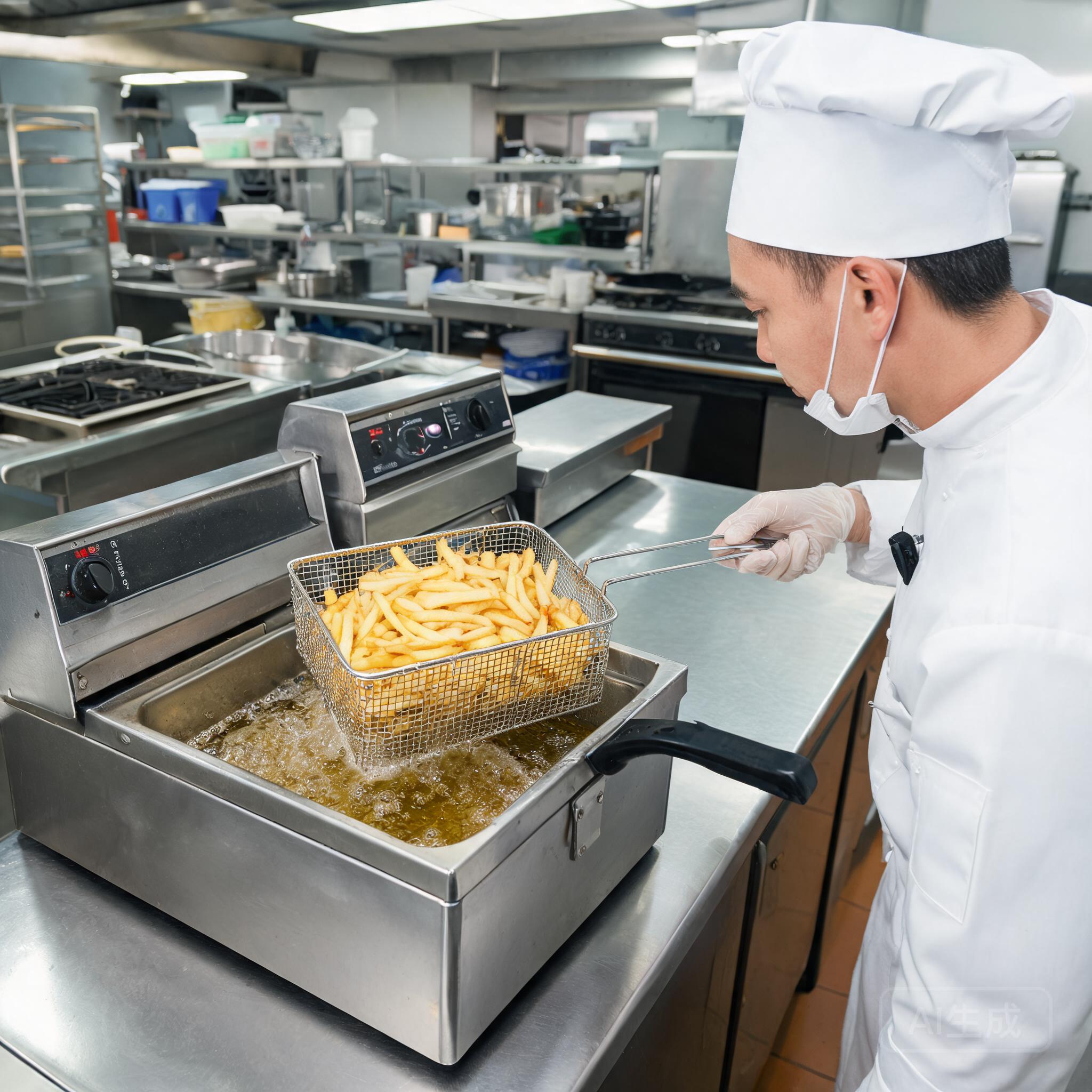
Precise temperature control (50–200°C is standard) ensures consistent results. Look for models with adjustable thermostats (e.g., Biengastro’s fryers) to prevent undercooking or burning. Some units include digital controls for accuracy, while analog dials are simpler but less precise.
4. Material & Build Quality
Stainless steel (like SS304) is essential for the tank, basket, and exterior. It resists corrosion, withstands high heat, and is easy to clean. Avoid models with plastic components near the heating element—they can melt or degrade over time.
5. Ease of Cleaning
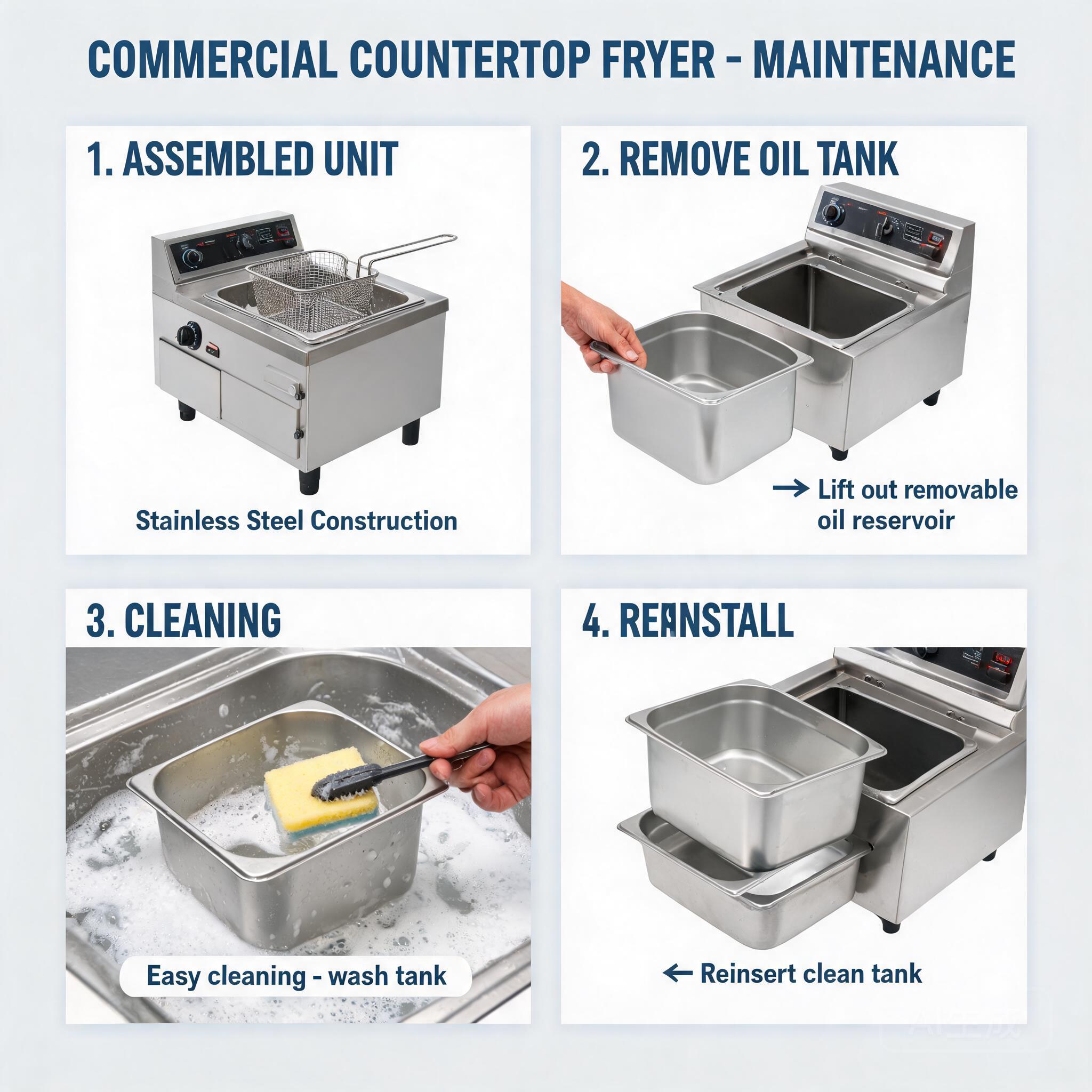
Removable oil tanks (e.g., Biengastro’s fryers have removable tanks) simplify draining and cleaning. Dishwasher-safe baskets and non-stick tanks reduce scrubbing time. Some models include built-in oil filtration systems to extend oil life (more on this later).
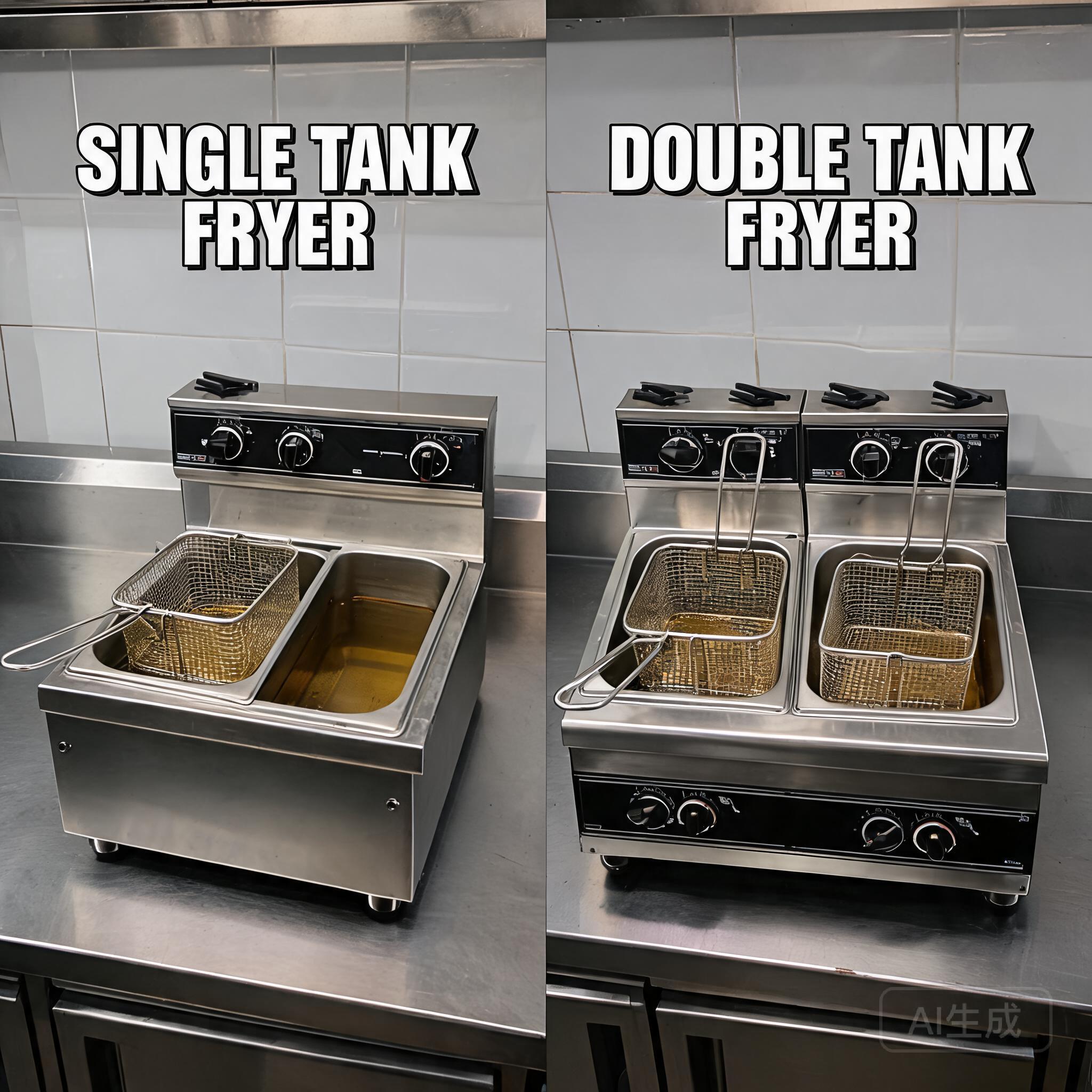
Single Tank vs Double Tank Countertop Fryers
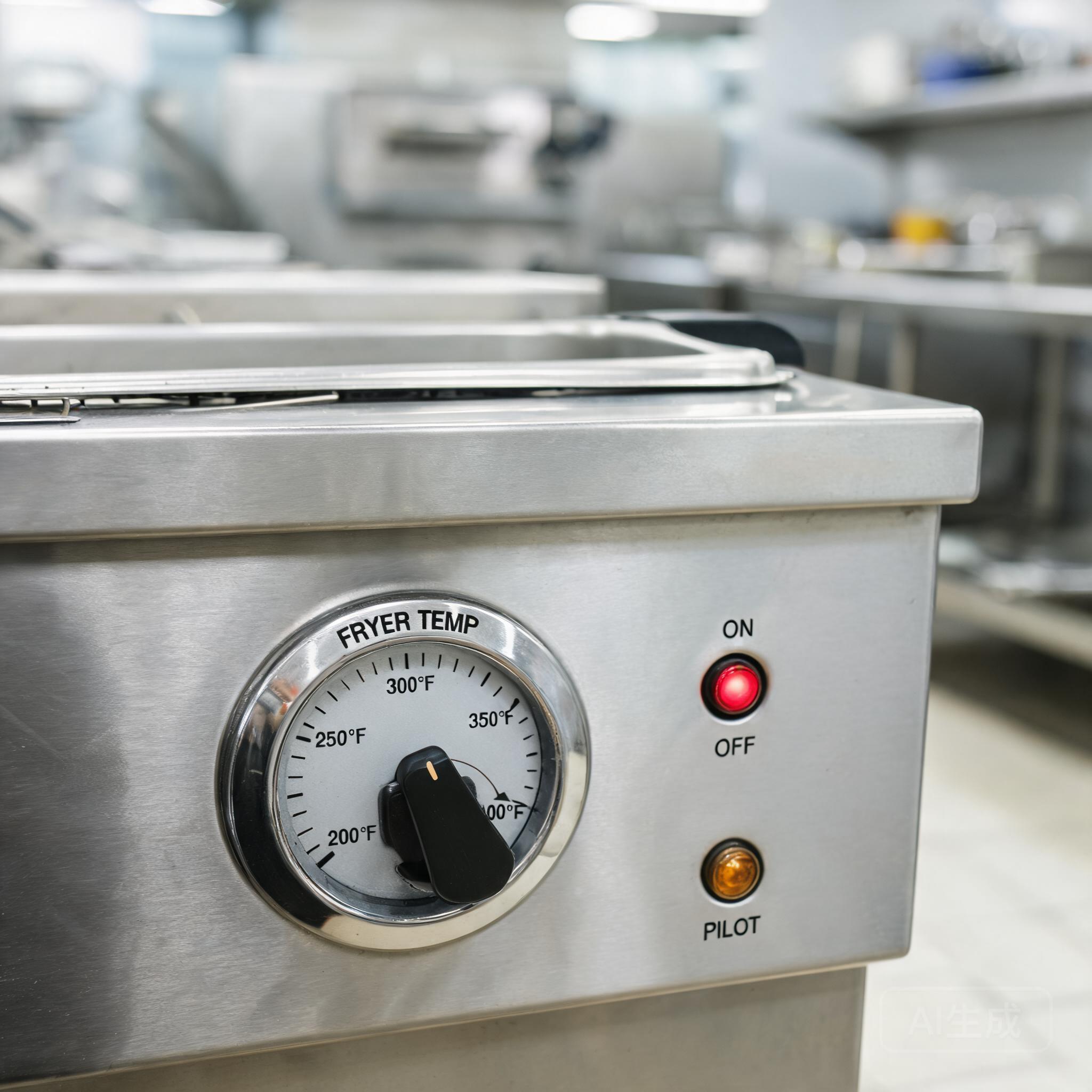
Should you choose a single or double-tank commercial countertop fryer? Let’s compare:
Single Tank Fryers
- Pros: Compact, lower cost, ideal for single-menu items (e.g., only fries). Faster heat recovery (less oil volume).
- Cons: Limited to one food type at a time (cross-contamination risk if frying different foods).
- Best For: Small cafes, food trucks with simple menus (e.g., Biengastro’s BF4SV or BF10SC).
Double Tank Fryers
- Pros: Fry two items simultaneously (e.g., fries and chicken) with separate temperature controls. Increases menu versatility.
- Cons: Larger footprint, higher cost, and more oil required.
- Best For: Busy restaurants or food trucks with diverse menus (e.g., Biengastro’s BF4DV with dual baskets).
Electric Countertop Fryer vs Gas: Which is Better?
Choosing between an electric countertop fryer and a gas model depends on your setup, budget, and priorities:
Electric Fryers
- Pros:
- Easy installation (plug into a standard outlet).
- Consistent heat distribution (no hot spots).
- Safer for indoor use (no open flame).
- Ideal for food trucks or locations without gas lines.
- Cons:
- Higher operating costs (electricity is pricier than gas in many regions).
- Slower heat-up than gas (but modern models like Biengastro’s BF12SV have fast recovery).
Gas Fryers
- Pros:
- Lower operating costs (gas is cheaper per BTU).
- Rapid heat-up and recovery (critical for high-volume frying).
- Cons:
- Requires gas line installation (adds cost/complexity).
- Open flame poses safety risks (e.g., fire hazards, carbon monoxide).
- Less portable (not ideal for food trucks).
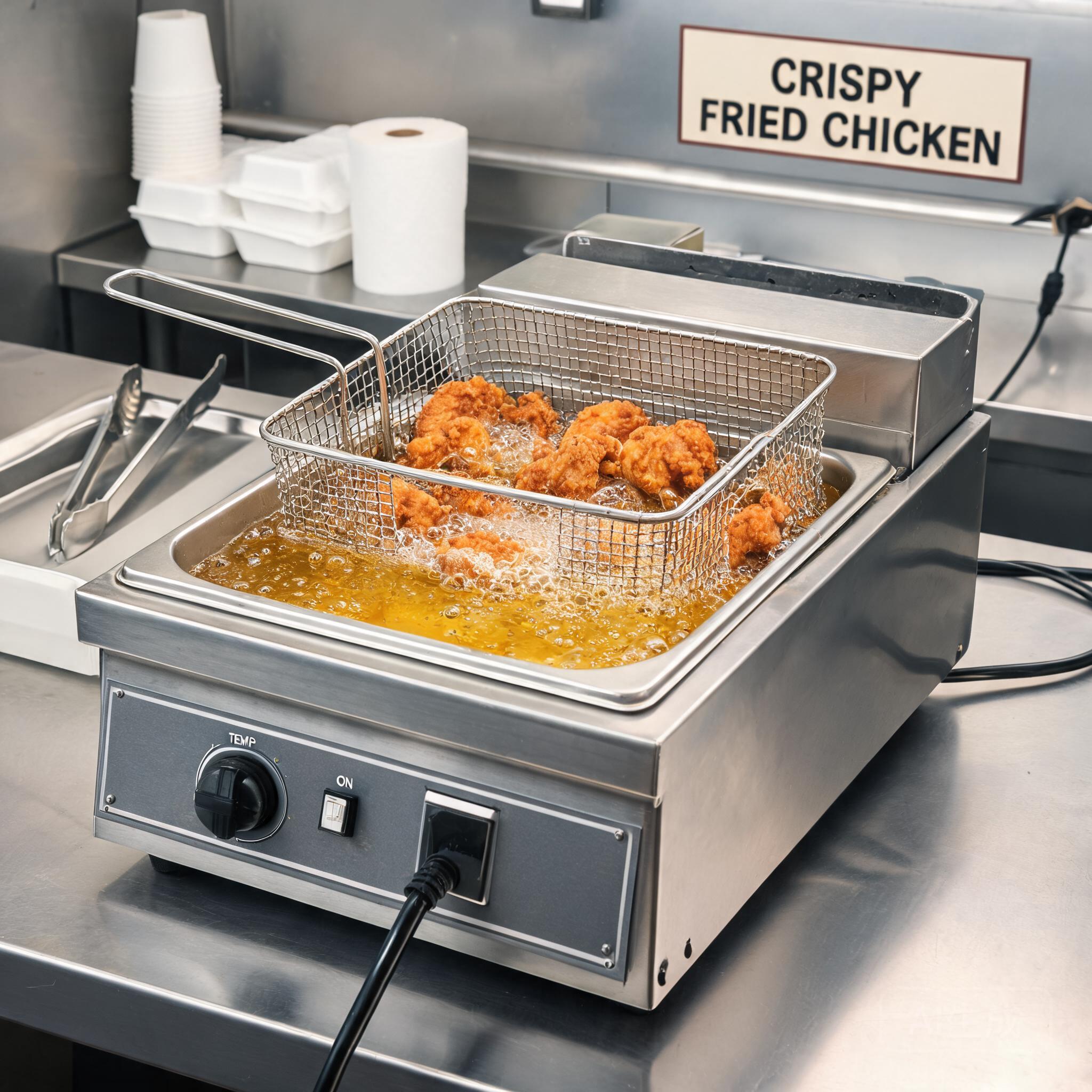
For most small businesses, electric countertop fryers (like Biengastro’s range) are more practical—they’re plug-and-play, safer, and easier to maintain.
Top Features to Look For in a Countertop Fryer
Beyond the basics, these features enhance performance and safety:
1. Safety Features
- Automatic Shutoff: Turns off the fryer if it overheats or if the basket is left in too long.
- Cool-Touch Exterior: Prevents burns during operation.
- Overflow Protection: Reduces oil spills (critical for safety and cleanliness).
2. Timer Function
A built-in timer (e.g., 0–60 minutes) ensures consistent cooking times, reducing the risk of overcooking. This is vital for busy kitchens where staff juggle multiple tasks.
3. Basket Types
- Single Basket: For uniform batches (e.g., fries).
- Dual Baskets: Allows frying two items at once (e.g., Biengastro’s BF4DV has dual baskets).
- Coated Baskets: Non-stick or enamel-coated baskets prevent food from sticking and simplify cleaning.
4. Oil Filtration System
A built-in filtration system (manual or automatic) removes food particles after frying, extending oil life by 30–50%. This saves money on oil replacements and reduces waste.
How to Maintain Your Countertop Commercial Fryer
Proper maintenance prolongs your fryer’s life and ensures food quality:
1. Regular Cleaning
- Drain oil after each use (or daily for heavy use).
- Wipe the tank with a soft cloth; use a mild detergent for stubborn residue.
- Clean baskets in warm, soapy water (or a dishwasher, if compatible).
2. Oil Management
- Filter oil daily (use a mesh strainer or built-in filter) to remove debris.
- Replace oil when it darkens, smokes, or imparts off-flavors (typically every 1–2 weeks, depending on use).
3. Inspection & Repairs
- Check heating elements (electric) or burners (gas) for damage monthly.
- Tighten loose connections and replace worn gaskets to prevent leaks.
For models like Biengastro’s, the removable oil tank (e.g., in BF4SV or BF12SV) makes cleaning even easier—simply lift out the tank and drain oil without moving the entire unit.
FAQ: Commercial Countertop Fryer Questions
1. Can I use a commercial countertop fryer at home?
While technically possible, commercial fryers are designed for heavy, daily use. They consume more power/energy and may not meet residential safety codes. Stick to residential fryers for home use.
2. How much oil does a countertop fryer need?
Tank size (e.g., 4L) = oil capacity. Fill to the “MAX” line (never exceed it) to prevent overflow.
3. Are countertop fryers energy-efficient?
Yes—compact design means less heat loss, and rapid recovery (e.g., high-wattage electric models) reduces idle time. Models with good insulation (like Biengastro’s stainless steel units) are even more efficient.
Conclusion: Choose the Best Countertop Fryer for Your Business
A commercial countertop fryer is a game-changer for small foodservice operations, combining space efficiency with frying power. When choosing, prioritize tank size, power, safety, and ease of cleaning.
For a reliable, high-quality option, explore Biengastro’s range of electric countertop fryers:
- Single-tank: BF4SV (4L, 2000W), BF4DV (4L dual basket, 2000W)
- Larger models: BF10SC (10L, 2500W), BF12SV (12L, 3000W)
- All models feature SS304 stainless steel, CE/RoHS/LFGB certification, adjustable 50–200°C temperature, and removable oil tanks for easy cleaning.
Browse their selection here or contact them for wholesale inquiries here. With the right fryer, you’ll serve crispy, delicious dishes that keep customers coming back.
Invest in a fryer that fits your menu, space, and budget—your kitchen (and profits) will thank you!